PHOTO
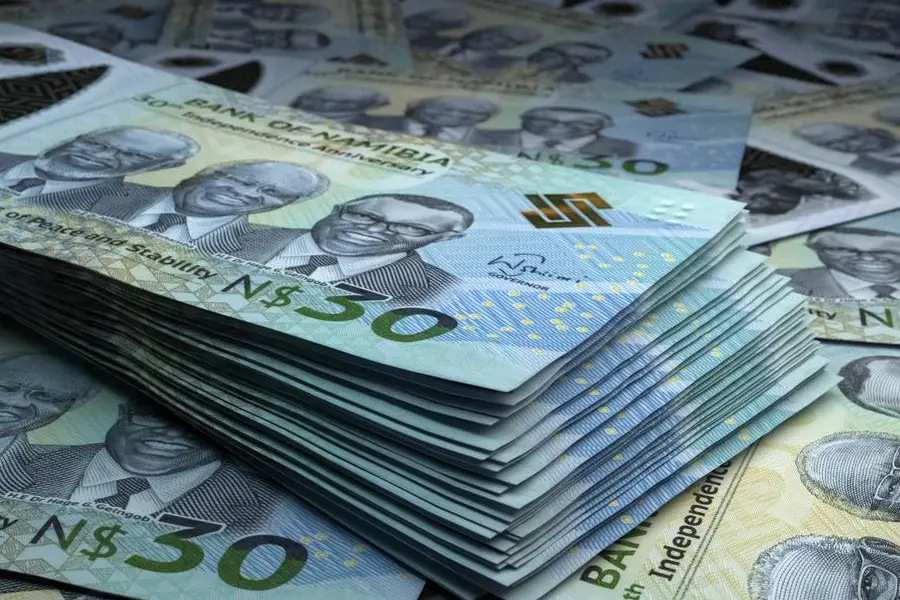
JOHANNESBURG: Namibia plans to meet its borrowing requirements through domestic markets for the foreseeable future, Finance Minister Ericah Shafudah said on Wednesday, after redeeming its biggest Eurobond. African sovereigns remain cautious about returning to international debt markets, following a period of geopolitical turmoil and questions about future U.S. interest rate policy.
Government-related issuance from frontier nations all over the world, including Africa, has reached approximately $202 billion this year, according to S&P Global, marking a 16% decline compared to 2023 and about one-third lower than 2024 levels.
Despite improved global financing conditions, African hard-currency borrowing has not rebounded significantly, with most governments opting for domestic markets or concessionary loans.
Borrowing locally is less expensive and mitigates currency risk, but reliance on domestic markets can strain local banks.
The International Monetary Fund warned earlier this month that sub-Saharan African banks' holdings of government debt are growing faster than in other regions, potentially creating a feedback loop that could weaken public finances, destabilize banks, and limit credit growth. On Wednesday, Namibia redeemed its largest eurobond to date—a $750 million note issued in 2015—without plans to issue another.
Shafudah confirmed that the country's funding is now structured as 85% domestic and 15% external, with 90% of foreign debt denominated in South Africa's rand currency. "When the time comes, we will tell you. But for now, we don't have that one in our plan," she said regarding the possibility of future Eurobond issuance.
The Eurobond repayment was predominantly financed domestically, with $444 million sourced from a central-bank-managed sinking fund and $306 million raised from local lenders, including Standard Bank Namibia, First National Bank Namibia, and Bank Windhoek in partnership with Absa.
Shafudah said borrowing locally aimed to "support economic growth, but also to enhance the capabilities of our domestic financial institutions." (Reporting by Colleen Goko, Sfundo Parakozov and Nyasha Nyaungwa; Editing by Toby Chopra)