The Islamic finance sector has grown enormously over the past decade to become a significant contributor to the global financial system. Worldwide Islamic assets have ballooned from USD 150 billion during the 1990s to around USD 1.6 trillion as of the end of 2012, according to a research published by the European Central Bank in June this year.
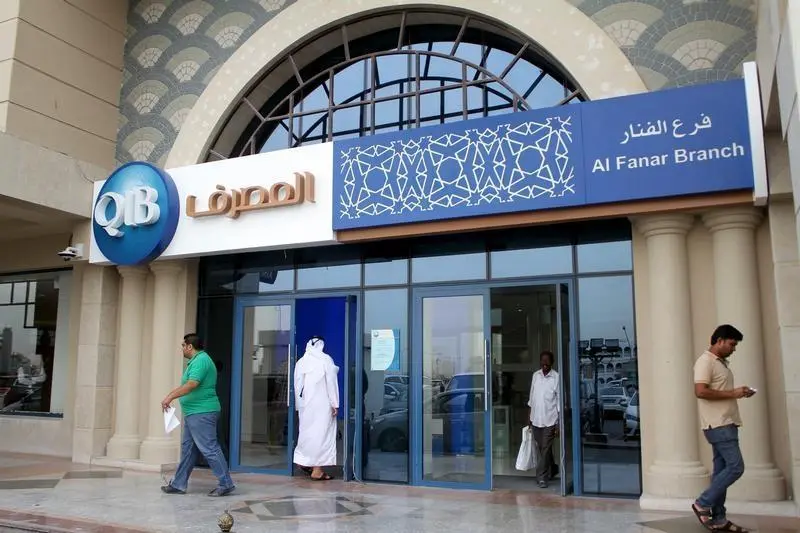
As worldwide interest in Shariah-compliant funding increases, financial institutions also saw the development of the retail Islamic banking sector. The Islamic Financial Services Board (IFSB), in a 2013 report about the industry, noted how financial institutions' portfolios have diversified over the years to include a wide range of products and services that comply with Islamic laws. Growing investment opportunities in this sector has likewise allowed Islamic banks "to be more efficient in channeling funds to productive sectors," with small and medium enterprises (SMEs) becoming one of the industry's target recipients.
UNDERSTANDING ISLAMIC PRODUCTS
For a financial product or transaction to be Shariah-compliant, it must either be an Islamic-based product or a qualifying "conventional" (i.e. non-Islamic-based) instrument. Islamic-based instruments fall under two main categories, ensuring they respect Shariah principles (see The Basics of Islamic Banking and Finance):
- Bay': The sale or trading of a specific asset at a fixed price. Most of these are finance contracts.
- Istithmar: An equity investment in an enterprise that generates a return based on the performance of the business. These are either mutual investment contracts or accessory contracts on a fee-earning basis.
These products can be used instead of conventional financial products to finance your business and trade operations: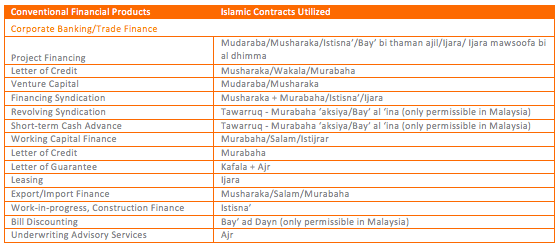
All your corporate needs can therefore be met with Islamic financial products, for a Shariah-compliant SME.
To understand further the nature of these products and how small- and medium-sized business owners can take advantage of their potential, below are definitions for the Bay' and Istithmar transactions. The most common transactions are featured in bold characters.
BAY' CONTRACTS
- Ajr: Commission, fees or wages charged for services rendered or work done.
- Bay' bi thaman ajil: A transaction in which goods are requested by a client, purchased by the bank and then sold to the client at an agreed upon price that includes the bank's mark-up. This is essentially identical to murabaha financing.
- Bay' al 'ina: A sale in which a purchaser buys merchandise from a seller for a stipulated price on a deferred payment basis and then sells the same merchandise back to the original seller for a price lower than the original purchase price on cash basis, the net effect of which is a loan with interest.
- Bay' ad Dayn: Sale of debt or receivables.
- Istijrar: A sale contract between a client and a supplier, whereby the supplier agrees to supply a particular product on an ongoing basis, for an agreed price and payment mode.
- Murabaha: 'Cost plus' transactions. The purchaser knows the cost incurred by the vendor and agrees to a profit margin on top of this.
o Tawarruq or Murabaha 'aksiya: Cash financing mechanism where one party purchases an asset from a second party on deferred payment basis to sell it consecutively for cash to a third party, thereby receiving instant cash.
- Salam: This is for the sale of specified goods (generally agricultural) to be delivered at a future date. The price must be agreed and the quality and quantity of goods specified at the start of the transaction.
- Istisna': A sum is paid in advance for goods that have not yet been produced. This contract can only be applied to manufactured goods.
- Ijarah: One counterparty rents an asset he owns to another counterparty.
o Ijara mawsoofa bi al dhimma: In contemporary Islamic finance, refers to a form of forward or future lease.
o Ijarah wa iktina: Payments contain an element of capital repayment so that at the end of the agreed lease period the capital amount is fully repaid and ownership transfers to the client.
ISTITHMAR CONTRACTS
- Mudaraba: An investor provides capital to an entrepreneur to carry out a project. Any profits are shared between the two counterparties at a pre-agreed ratio. Any losses are borne by the investor alone.
- Musharaka: Two or more partners make an equity investment in an enterprise, usually all sharing in profits and losses in relation to their investment.
- Wakala: A common form of agency agreement in which one party carries out the business of another for a fee.
- Amanah: Trust agreement whereby one party takes on a duty of care for a fee.
- Kafalah: Trust agreement whereby one party provides a guarantee, a third party offering surety for the payment of debt if unpaid by the person originally liable.
© Zawya BusinessPulse 2013