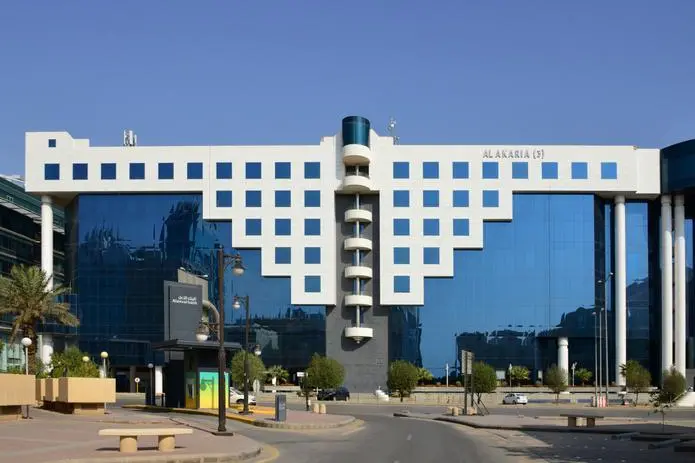
Dubai, Oct 05th, 2012 (WAM)--The GCC Labour Expats Committee held its 14th meeting in Dubai between 1-3 October 2012.
The meeting was opened by Nasser Khelifa Al Budoor, Assistant Undersecretary and Member of the Executive Office for GCC Health Ministers Council. Al Budoor welcomed the participants and lauded the efforts of the committee members for their health services in the GCC region, referring to the interests of the GCC health ministers? council and executive office of the lab expats programme. He said: "The executive office formed a committee to set up all the health requirements needed by coming arrivals to the UAE and determine the required clinical laboratory and radiological tests to take place in certain centres in their countries and ensure their safety before arrival from infectious diseases or other diseases that may affect the public health of the council?s countries". "These centres cover 11 countries of which 7 are in South East Asia (India, Pakistan, Sri Lanka, Bangladesh, Philippines, Indonesia and Nepal) and 3 others in Africa (Egypt, Sudan and Ethiopia). The tests are done for about 1.7 million labourers in the GCC region on annual basis; therefore we expect the number to increase or decrease due to the addition or exclusion of new centers", he elaborated. Al Budoor explained that the completion of phase one of the electronic link programme between health centres in countries exporting labour. The council is now working on phase two to include the introduction of fingerprinting such as finger and eye prints, taking the advantage of mobile and sms services. The applicant can login, register his/her data online then receive a text message stating the desired centre to go for examination. "We are all expected to make greater efforts in providing a healthy environment free from diseases and reduce the financial burdens of the ministries of health in purchasing costly treatment and medications due to the discovery of such diseases. The labour expats overseas programme will have a positive impact on the labourers themselves as this would save them effort and money and at the same time avoid dangers of diseases, infection dissemination and high money costs", he ended.Copyright Emirates News Agency (WAM) 2012.