PHOTO
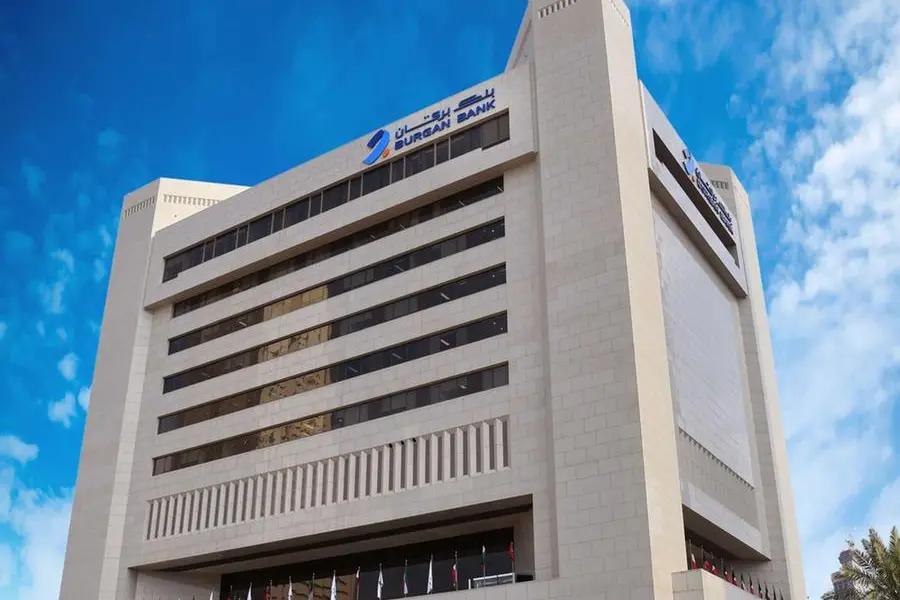
Kuwait: Kuwait Financial Centre “Markaz” released its Monthly Market Review report for January 2026. Kuwait’s equity market declined in January 2026, driven by profit booking, after registering a strong performance in 2025. Kuwait All Share Index declined by 3.8% in January, led by stocks in the Consumer Staples (-18.2%), Technology (-14.5%), and Consumer Discretionary (-6.8%) sectors. Kuwait’s banking sector index declined by 3.0% for the month. Among banking stocks, Burgan Bank and National Bank of Kuwait declined the most, falling by 9.1% y/y and 6.3% y/y respectively during the month. National Bank of Kuwait reported a 5.4% y/y increase in profit before tax for 2025. Among sectors, Oil and Gas and Telecommunications were the only gainers, rising by 4.2% and 1.7% respectively in January 2026. Independent Petroleum Group registered a share price gain of 5.1% during the month owing to a 12.8% growth in its net income in 2025. National Mobile Telecommunications (Ooredoo) gained 18.5% during the month. On 20th January 2026, Ooredoo’s data center subsidiary Syntys acquired two hyperscale data center facilities in Qatar, which includes capacity of 5MW live and 7.5MW under development.
Kuwait’s domestic credit growth remained robust in 2025, expanding 7.6% y/y, much higher than the growth in 2024. This was driven by a surge in lending to banks and financial institutions and business credit. Meanwhile, Kuwait’s real estate sales reached an all-time high in 2025, growing by 26% y/y to KD 4.4 billion. This was supported by strong growth in the investment segment, which grew by 39% y/y in 2025 as compared to 2024. This momentum can be expected to continue through 2026, supported by the tailwinds unlocked through implementation of the mortgage law.
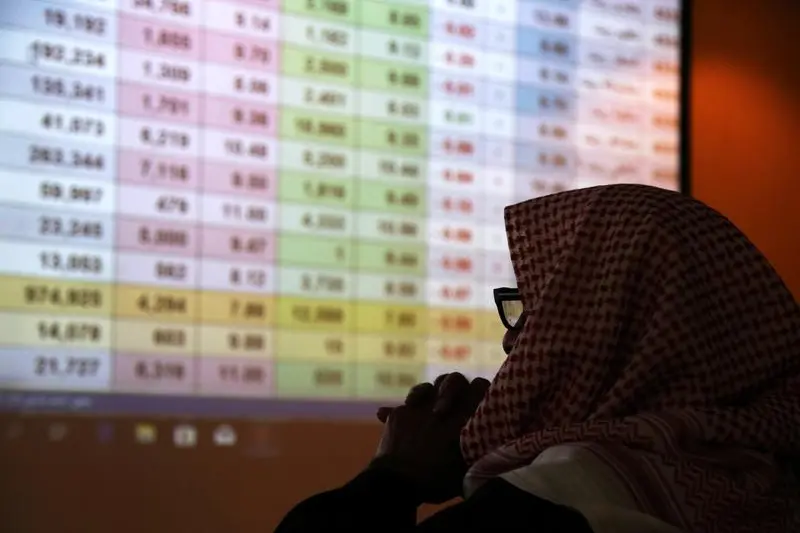
Most GCC equity indices, except Kuwait and Bahrain, ended the month on a positive note with S&P GCC composite index registering a gain of 6.5%. The gains were led by Saudi’s equity index, which registered an 8.5% growth during the month. Strong earnings results from major blue-chip stocks and the announcement of opening their financial markets to all foreign investors boosted investor optimism, propelling growth in its equity market. Saudi National Bank increased by 18.4% during the month, following the 18% y/y growth in its net income for 2025, supported by expansion in its core business and improved operational efficiency. Al Rajhi Bank gained 9.9% after reporting a 25.7% y/y increase in its net income (at SAR 24.8 billion) for 2025, recording its highest net income ever. Ma’aden gained 26.8% during the month following 7.8 million ounces of gold discovery across four key sites. Abu Dhabi’s equity index expanded by 2.9% during the month, supported by major blue-chip stocks. First Abu Dhabi Bank gained 6.7% after recording 24% y/y growth in its net income for 2025. Dubai equity index increased by 6.4% during the month, supported by 6.8% monthly gain in Emaar Properties. Meanwhile, the Muscat Stock Exchange (MSX) rose 7.9% during the month, continuing the robust growth momentum from 2025.
The UAE's domestic credit growth reached a decade-high of 9.7% y/y in November, primarily driven by the private sector credit growth of 9.9% y/y. Meanwhile, Saudi Arabia saw its non-oil exports (including re-exports) increase by 21% y/y in November 2025, led by growth in footwear/headwear items, construction materials, and food and beverage segments. The growth was further solidified by an 81.5% y/y increase in machinery and electrical re-exports, highlighting the country’s successful evolution into a regional logistics hub. Fitch reaffirmed Saudi Arabia’s ‘A+’ credit rating with a stable outlook, highlighting a sovereign balance sheet and fiscal reserves that remain significantly more robust than those of its global peers. Driven by strong non-oil momentum, the agency projects the Saudi Arabia’s GDP to grow by 4.8% y/y in 2026.
Global markets were positive during the month supported by continued inflows in the markets despite the elevated investor demand for safe haven assets like gold. MSCI World and S&P 500 rose by 2.2% and 1.4% respectively during the month. Strong corporate results from major US tech companies supported the growth. However, the continued depreciation of USD and concerns over declining consumer confidence weighed on the U.S. stocks’ performance. Nasdaq Composite index rose by 1.2% during the month, supported by higher-than-expected corporate earnings results. Emerging Markets, as measured by MSCI EM Index, gained 8.8% during the month, supported by Chinese equities. Chinese stocks registered 3.8% gains for the month, majorly driven by artificial intelligence trades and optimism about the domestic tech sector in response to U.S. curbs on high-tech exports. South Korea, Taiwan and Brazil equities registered strong gains for the month.
The yield on the 10-year US treasury notes increased by 8 bps during the month, to 4.26%, amid hovering geopolitical uncertainties. During the FOMC meeting on January 27-28th, 2026, the U.S. Federal Reserve opted to hold interest rates at 3.50% – 3.75%, citing low job gains, elevated inflation levels, and signs of economic stabilization as reasons. This brought a pause in the current rate cut cycle of three consecutive cuts in late 2025.
Oil (Brent) prices closed the month at USD 70.69 per barrel, gaining 16.2% during the month. This was primarily driven by heightened tensions between US and Iran which elevated the concerns of supply disruptions among investors, resulting in an increase in the geopolitical premium of oil prices. Additionally, supply disruptions stemming from the shutdown of Kazakhstan’s largest oil field Tengiz, which remained shut until the end of January, supported the rally.
The key driver for market movements in February 2026 will be the extent of headwinds posed by geopolitical tensions. Although markets remained relatively resilient in January, overvaluation of tech stocks (indicated by S&P 500 Shiller CAPE ratio at second-highest levels ever of 39-40), raise market-wide concerns. For GCC markets, corporate earnings will drive stock movements. While global oil oversupply worries pose challenges, positive reform momentum and capital expenditure should be closely watched from a long-term perspective.
About Kuwait Financial Centre “Markaz”
Established in 1974, Kuwait Financial Centre K.P.S.C “Markaz” is one of the leading asset management and investment banking institutions in the MENA region with total assets under management of over KD 1.61 billion (USD 5.28 billion) as of 30 September 2025. Markaz was listed on the Boursa Kuwait in 1997. Over the years, Markaz has pioneered innovation through the creation of new investment channels. These channels enjoy unique characteristics and help Markaz widen investors’ horizons. Examples include Mumtaz (the first domestic mutual fund), MREF (the first real estate investment fund in Kuwait), Forsa Financial Fund (the first options market maker in the GCC since 2005), and the GCC Momentum Fund (the first passive fund of its kind in Kuwait and across GCC that follows the momentum methodology), all conceptualized, established, and managed by Markaz.
For further information, please contact:
Sondos Saad
Corporate Communications Department
Kuwait Financial Centre K.P.S.C. "Markaz"
Email: Ssaad@markaz.com
markaz.com