PHOTO
As the economic landscape continues to evolve, keeping a close eye on these trends will be essential for achieving financial success and economic resilience.
The trends influence everything from market dynamics to the value placed on a business. Global economic trends have significant impacts on local businesses, influencing their valuations and strategic direction. International economic conditions such as shifts in trade policies, tariffs and geopolitical relations can create ripple effects.
Technology continues to revolutionise finance and artificial intelligence (AI) is at the forefront of this transformation. From algorithm-driven trading platforms to AI-powered wealth management tools, investors now have access to smarter, data-driven decision-making. AI is also reshaping industries such as healthcare, finance and manufacturing, creating new investment opportunities.
Businesses must also navigate challenges and opportunities presented by global trade policies and international relations. For instance, a new trade agreement might open markets or impose stricter regulations. Companies flexible enough to adapt quickly can seize new opportunities or mitigate potential pitfalls.
Behavioural biases — such as overconfidence, fear of missing out (FOMO), or loss aversion — can lead to poor decisions. For instance, panic selling during a market dip or chasing the latest investment trend without proper research can be costly.
Adapting business strategies to reflect economic trends is essential for protecting and enhancing valuation. Companies must focus on flexibility in their strategic planning, allowing them to respond swiftly to shifts in economic conditions. This could involve changing product lines, entering the new markets, or adjusting pricing strategies to remain competitive.
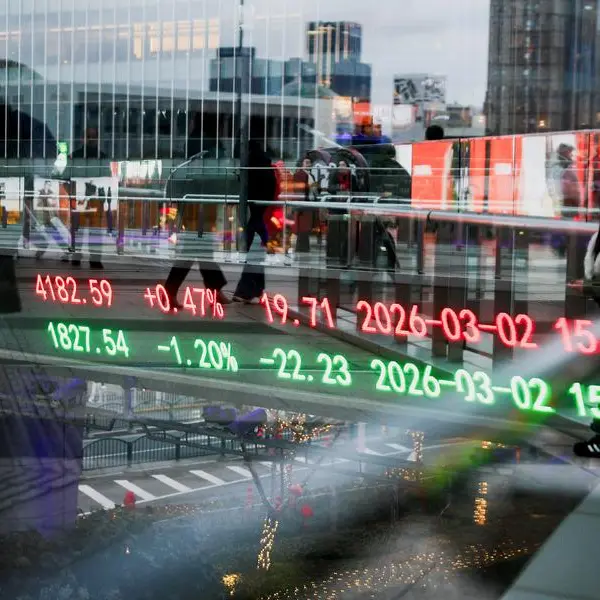
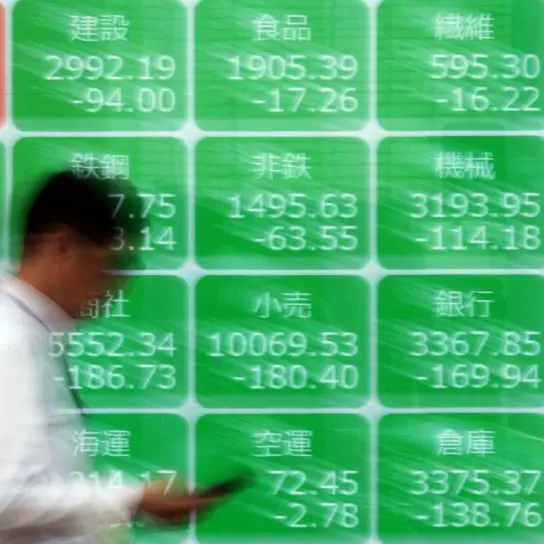
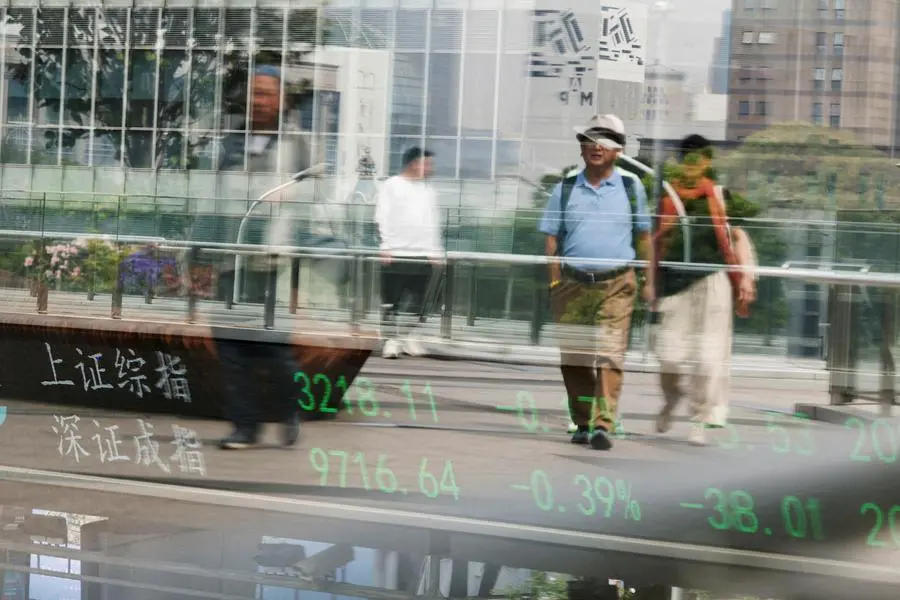
Market volatility remains a major concern for investors, with fluctuating interest rates adding another layer of complexity. Central banks worldwide are adjusting rates in response to inflation and economic growth, which impacts borrowing costs, corporate profits and consumer spending.
Environmental, social and governance (ESG) criteria now play a crucial role in investment decisions. More investors are prioritising companies that focus on sustainability, ethical governance and social responsibility.
This shift isn’t just about ethics — it’s also about profitability. Companies with strong ESG policies tend to perform better over time, attracting more investor interest.
2025 © All right reserved for Oman Establishment for Press, Publication and Advertising (OEPPA) Provided by SyndiGate Media Inc. (Syndigate.info).