PHOTO
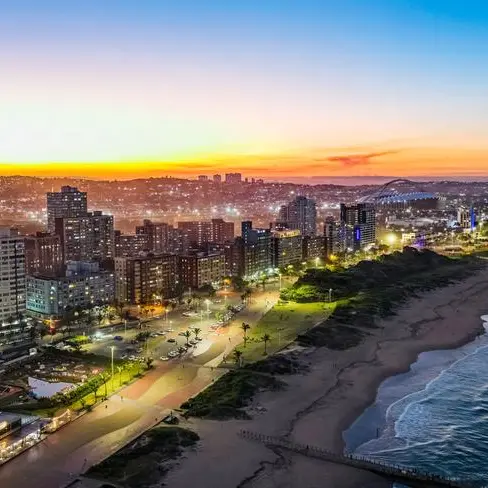
South Africa and the African Union are under pressure to push for Africa’s equal stake in negotiating power, given its massive share of global mineral reserves, as the G20 summit 2025 takes place in Johannesburg.
A section of senior African policymakers, international organisations, technocrats, researchers and civil societies who held a high-level dialogue meeting in Johannesburg dubbed “Turning mineral wealth into negotiating power” challenged the AU and its member states to leverage this year’s G20 Summit to be held next weekend to build a common narrative on critical minerals for the African continent and to solidify a global Africa agenda for equitable benefits.
As world powers compete for minerals essential to green industrialisation, digital technologies, defence and space innovation, Africa is at the centre of a major geopolitical contest, and its voice must also be heard.
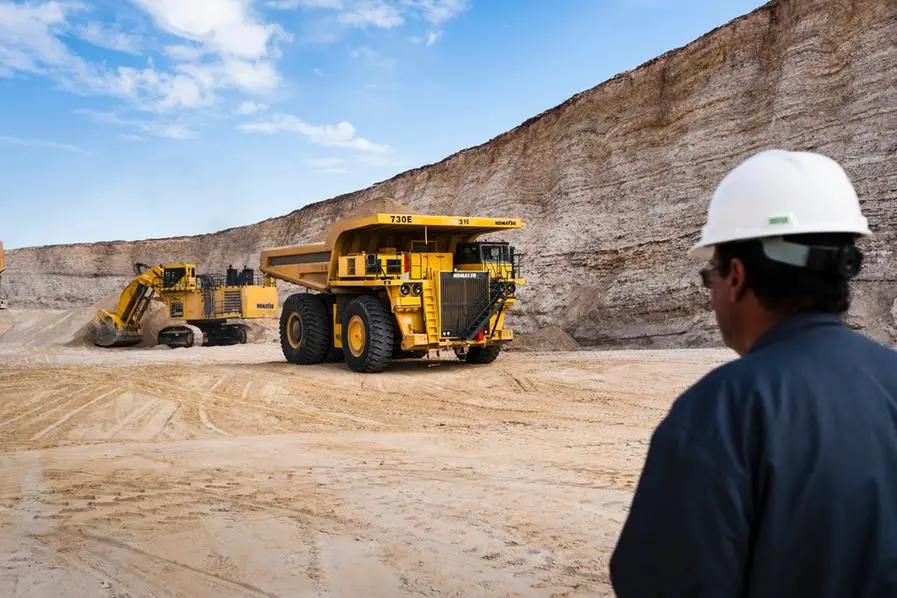
According to research, the continent cumulatively holds 30 percent of global mineral reserves and 70 percent of the world’s Cobalt but captures less than five percent of the value chain, which the stakeholders say needs to be addressed imperatively.
“How do we create jobs for the millions of young Africans getting into the job market every year? How do we create a healthier environment for the 1.2 billion Africans out here, how do we create wealth? Work, wealth and health are the three key issues that need to be addressed” says Gomera.
He believes critical minerals offer a significant opportunity for the continent to shift that lever.
Open Society Foundations Director for Resource Futures in Africa Deprose Muchena who says the conversation taking place currently across the continent of the role that critical minerals can play in this Africa moment of turning the abundance of critical mineral resources into an asset for socia-economic transformation by linking the value chain of the minerals into the rest of the economy, so that it can tackle the triple burden of unemployment, poverty and inequality.“Another issue is the importance of foregrounding human rights and environmental stewardship as the exploitation of minerals increases in response to the surge in demand for green industrialisation.” Muchena.
The question on many people’s minds has been how the continent can transform its mineral wealth into sustainable industrial and economic power.
According to Muchena, first, Africa has to decide what it means by value addition. It has to commit to the surge in demand for industrialisation.“The fortunate part is that it holds over 30-40 percent deposits of the minerals needed for green energy transition. There’s an urgent need for both political and economic leadership to combine at this moment and use the resources that we have to achieve industrialisation targets”The meeting warned against individualistic approaches saying industrial value chains have to be regional, continental and global. “We must take advantage of the tools available to Africa, including those of trade integration, regional economic blocs, as well as the capacity of research and think tank groups to work with governments and achieve industrialisation targets,” adds Muchena.
That will make sure that you have not only the bargaining power, but also create jobs, skills, technology transfer and then you transform lives” Dr Kitaw.
G20 countries represent 85 percent of the global economy, 75 percent of world trade and 67 percent of the global population. Critical minerals are a priority for South Africa’s G20 agenda as they are at the centre of Africa’s industrialisation, global energy transition, technological innovation and inclusive economic growth.
© Copyright 2022 Nation Media Group. All Rights Reserved. Provided by SyndiGate Media Inc. (Syndigate.info).