PHOTO
Diaspora remittances have long been a vital source of financing for Africa, providing a sustainable economic lifeline. With inflows reaching up to $100bn annually, these funds outstrip foreign aid and often rival government budgets. In Nigeria, for instance, diaspora remittances in 2019 stood at $23bn – surpassing the federal budget of $18bn. These funds sustain essential needs such as education, healthcare, and daily living expenses, effectively holding up half the nation.
Beyond family support, re- mittances serve as low cost or interest-free capital for count- less small businesses that struggle to access local bank- ing due to exorbitant interest rates.
Despite these clear ad- vantages, African financial systems have been slow to harness the full potential of remittances. Continental banks continue to play second fiddle to Western Union and Money- Gram (though smaller digital platforms are making inroads) and governments have been slow to develop bold plans that incorporate diaspora finance.
Recognising the untapped opportunity, Nigeria is now taking steps to channel dias- pora capital into strategic in- vestments. The recently pro- posed Diaspora City, a tourism and investment hub near Abuja spanning 675 hectares, seeks to convert remittances into na- tional economic assets.
A collaborative effort be- tween the Federal Government, the Federal Housing Author- ity, the Nigerians in Diaspora Commission and the Federal Capital Territory, this initiative is part of the Motherland 2025 vision, a bid to position Nigeria as a global epicentre of Black and African culture, commerce, and community.
This Nigerian model surely builds on Ghana’s 2019 Year of Return, which attracted 1.5m visitors and generated an ad- ditional $1.8bn for the economy – second only to cocoa and gold revenues. The Year of Return convinced African governments of the efficacy of the approach and similar frameworks, such as Lagos’ ‘Detty December’, are now being replicated across the continent, transforming diaspora wealth into tourism spending as well as longer- term economic assets.
However, this critical finan- cial pipeline now faces signifi- cant global threats. The United States has intensified efforts to deport 10m undocumented migrants, ensuring a devastat- ing impact for high-remittance nations like Mexico and, by ex- tension, Nigeria. Should Europe follow suit with stricter immi- gration policies, remittances, which are dependent on settled as well as new migrants, might decline in the long term.
These global shifts have been years in the making. Key global events – from 9/11 to the 2008 financial crisis, Covid-19, and recent conflicts – have steadily reshaped geo- politics and the retreat from US-dominated globalism. With the return of Trump to the US Presidency, these tectonic movements are accelerating.
A ‘Big Three’ carve-up?
A new Yalta-style conference may be on the horizon, par- ticularly given Trump’s geo- political manoeuvres – over Greenland, Panama, Canada – and his just-concluded call with Putin to agree exchange visits. It is not inconceivable that such a realignment could take place on 9 May, during Moscow’s World War II Victory Day celebrations, an event that Chinese President Xi Jinping has already confirmed he will attend.
Could a new ‘Big Three’ decide spheres of influence, with Trump controlling the Americas, Putin dominating Europe, and Xi leading Asia- Pacific, with attendant global financial systems anchored by a multipolar structure in- corporating a reformed World Bank and IMF, alongside the expanding BRICS+ economic bloc?
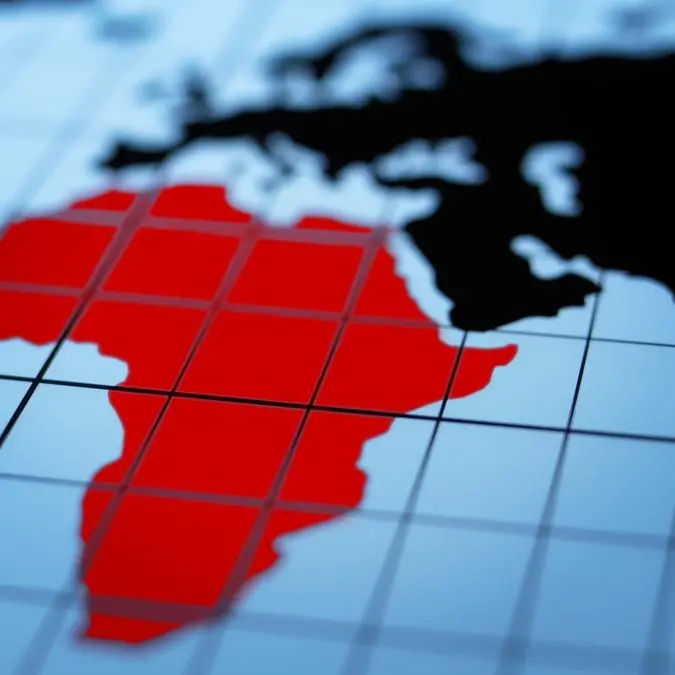
This is a perilous moment for Africa, already embroiled in externally fuelled conflicts in Sudan and the DRC – the con- tinent risks repeating the co- lonial-era divisions that led to it being carved up by predators at the 1884 Berlin Conference.
The unfolding global rea- lignment will have profound financial, military, and social consequences. Burdened by a $36trn national debt, Trump has signalled a retreat to ag- gressive economic nationalism – threatening tariffs against both allies and rivals, cutting foreign aid, and using financial sanctions as tools of coercion.
As Elon Musk guts the em- pire’s extravagant expendi- tures, we should assume at some point that the US will also attempt to stem the so called ‘leakages’ to its economy that it thinks remittances represents. When Trump first threatened to make Mexico pay for build- ing his wall in 2016, it was be- lieved that he would achieve this via a tax on the $55bn Mexican remittance figure.
Given the importance of re- mittances to our economies, we should be assessing the worst-case scenarios, while at the same time intensifying the bold visions of Ghana and Nigeria to harness these re- sources for strategic develop- ments. n
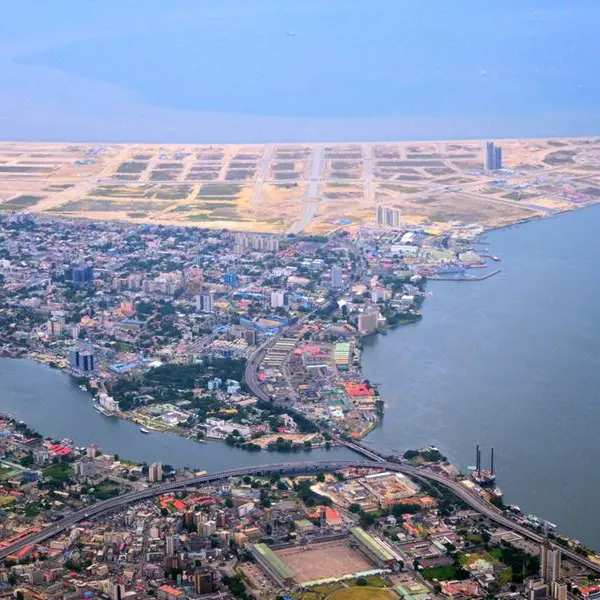
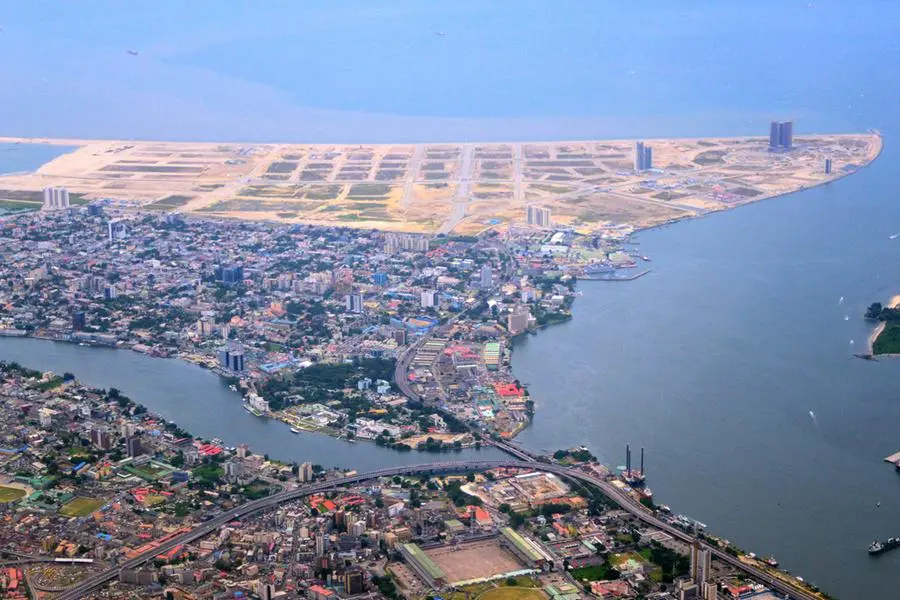
In Nigeria, diaspora remittances stood at $23bn in 2019
– surpassing the federal budget of $18bn.
© Copyright IC Publications 2022 Provided by SyndiGate Media Inc. (Syndigate.info).BY ONYEKACHI WAMBU