PHOTO
Tshering Tobgay, Prime Minister of the Kingdom of Bhutan, has described relations between Bhutan and the UAE as strong and continuing to grow, underscoring the wide scope for cooperation, particularly in sustainability, renewable energy, trade, and investment.
“We need to do more in terms of trade and investments," he said in statements to the Emirates News Agency (WAM) on the sidelines of the World Governments Summit (WGS) 2026, stressing the need to deepen cooperation with the UAE in key economic sectors, pointing to Bhutan’s significant renewable energy potential.
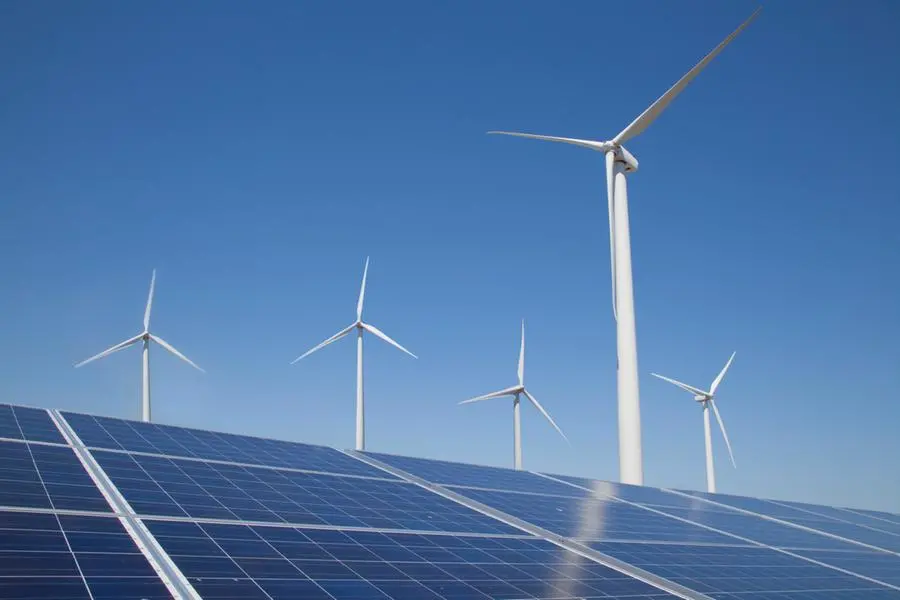
Bhutan’s fast-flowing rivers constitute a major natural resource. “We can generate clean, green, renewable hydropower, and that energy can be used to produce clean, green hydrogen," the Prime Minister said. “The relationship between our peoples is also strong and continues to improve and grow," he added.
He explained that green hydrogen could be used to produce green fertiliser and green fuel, particularly green aviation fuel, while hydropower could also support green data centres and green AI computing. “Technology is very important, and it all starts with the generation of green energy," he explained.
Highlighting capacity, he said Bhutan has a potential of almost 40 gigawatts of renewable energy. “Right now, we have 3,500 megawatts, and we have plans to generate another 20,000 megawatts in the next 15 years," he said.
The Prime Minister underscored Bhutan’s strong environmental credentials, highlighting the country’s rich biodiversity and climate commitments. “We are a biodiversity hotspot, with 70 percent of our country under forest cover. We are a carbon negative country. We sequester five times more carbon than we emit," he said.
He added that partnerships with the UAE could help Bhutan maintain this track record. “If you want to help us sustain this track record, the UAE can invest in developing renewable energy, and once renewable energy is developed, we can work together in downstream industries that use renewable energy," he said.
Tourism was identified as another key area of cooperation. “Our tourism model is high value and low impact. We invite guests from across the world to enjoy our unique culture and environment," he said, adding that Bhutan welcomes more Emiratis and greater investment from the UAE, particularly in the wellness sector in the Himalayas.
He said cooperation would help showcase Bhutan’s environmental conservation achievements. “There are many other areas as well, including trading in carbon credits and organic farming. There are many opportunities," he added.
Reflecting on his participation at the WGS 2026, the Prime Minister said that the summit offers a valuable platform to strengthen relationships and exchange ideas. “While here, we also get to talk about the future of government, the vision of the leaders, and how they view the future of governance.
"I take back a lot of lessons. I learn a lot," he said, adding that the summit provides an opportunity to share Bhutan’s development experience. “I share Bhutan’s story, our development story, and the lessons that we have learned in our development journey."