PHOTO
The Bank of South Sudan (BoSS) has introduced special tariffs for processing civil servants' salaries in bank accounts, in an effort to promote digital payments in an economy crippled by insecurity.
The tariffs, which vary from 500 SSP ($0.11) to 2,000 SSP ($0.44) depending on the bank, are the outcome of a committee constituted by the banking regulator in June to determine an 'affordable' salary processing tariff for civil servants.
These preferential tariffs are intended to encourage civil servants to open bank accounts, as part of the banking regulator's efforts to accelerate the transition from cash to digital payments.
The processing fees to be charged by banks and financial technology (fintech) firms were announced by BoSS in a circular dated July 4, 2025.
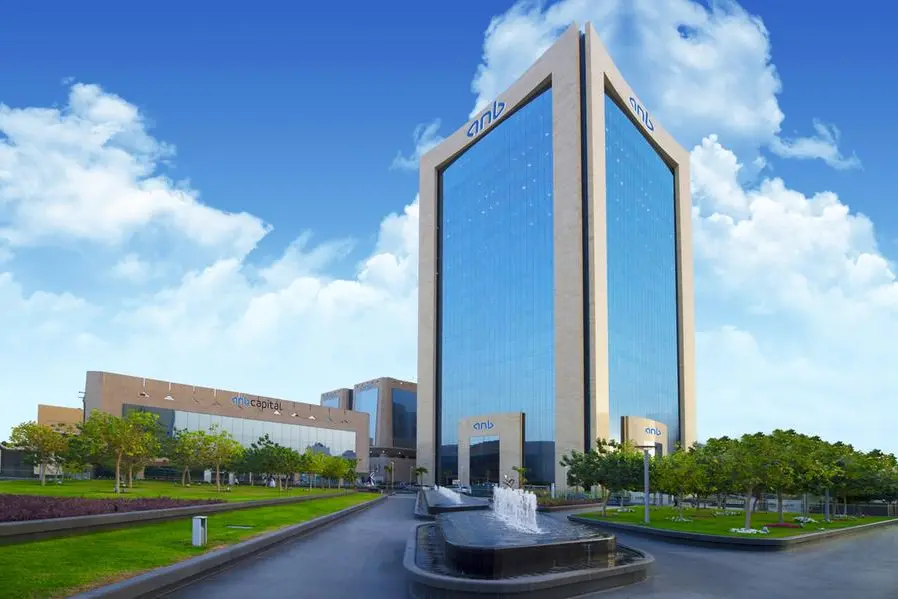
Phoenix Commercial Bank will charge civil servants a salary processing fee of 2,000 SSP ($0.44), Eden Commercial Bank 1,500 SSP ($0.33), Nile Commercial Bank and African National Bank 1,000 SSP ($0.22), and Horizon Bank and Equity Bank South Sudan 500 SSP ($0.11).
Afriland First Bank and Commercial Bank of Ethiopia will charge fees equivalent to 0.5 percent and 0.3 percent of the processed amount, respectively.
Fintech companies such as MTN Fintech Service (Momo) will charge a salary processing fee equivalent to two percent of the amount, while Digitel Digicash Service will charge 1,000 SSP ($0.22).
Juba is actively working towards a cashless economy by initially limiting cash withdrawals and promoting electronic payment platforms such as mobile money and bank transfers.
The policy shift aims to reduce reliance on physical cash, lower the cost of printing and managing banknotes and potentially tame corruption.
Digital transactions can be more easily tracked, which could reduce opportunities for corruption and illicit financial flows.
South Sudan’s over-reliance on oil has left Juba with huge debts and a budget hole. Since 2015, the country has faced accusations both locally and abroad of withholding civil servant salaries.
This followed a meeting held on June 12, attended by BoSS Governor Addis Ababa Othow, his first deputy Samuel Yanga Mikaya, telecommunications operators and the National Communication Authority to determine viable ways of accelerating the shift from cash to digital payments.“The meeting focused on integrating mobile money platforms with commercial banks, creating affordable salary withdrawal tariffs for civil servants, enhancing transparency and restoring public trust in the banking system,” BOSS said.
Last September, the central bank restricted the maximum cash withdrawal limit for individuals and public and private sector entities to SSP 10 million, in an effort to promote a cashless economy and subsequently reduce the cost of printing money to replace worn-out notes and coins.
The regulator said that cash withdrawals exceeding SSP 10 million (US$2,206.29) should be deposited via a bank account or transferred within the banking industry, including through mobile money operators.“The public is encouraged to embrace electronic payment platforms, including mobile money, credit and debit cards, which incur low charges on transactions while offering convenience and establishing individual credit history," said BOSS.
However, in December 2024, the central bank lifted the cash withdrawal limit, encouraging lenders to offer interest on savings in order to stem hoarding of money by the public and avert a deepening liquidity crisis that has taken a heavy toll on Juba’s limping economy.
BoSS said that growing public mistrust of commercial banks has discouraged deposits and allowed the public to hoard cash instead.
According to the International Monetary Fund (IMF), the South Sudanese economy is expected to recover as oil production has resumed following the damage to the oil pipeline in February 2024 caused by the war in Sudan.“This disruption had halted oil exports, fiscal revenues, and foreign exchange proceeds for over a year, leading to liquidity and financing constraints,” says IMF.“The recovery is expected to be gradual and hinges on continued improvement in the security environment and political stability. The resumption of oil exports through the main pipeline since April 2025 is promising. While real GDP growth is projected to have contracted during financial year 2024/25 due to the lower oil production, it is expected to recover in financial year 2025/2026 as oil exports gradually strengthen.” © Copyright 2022 Nation Media Group. All Rights Reserved. Provided by SyndiGate Media Inc. (Syndigate.info).