PHOTO
(Adds analyst comment in paragraphs 9-10, context throughout)
BEIJING, Dec 5 (Reuters) - Chicago soybean futures slipped on Friday and were set for their first weekly loss in eight, pressured by concerns over China's slow soy buying pace.
The most-active soybean contract on the Chicago Board of Trade (CBOT) eased 0.18% to $11.17-1/2 a bushel by 0346 GMT, shedding 1.78% so far in the week.
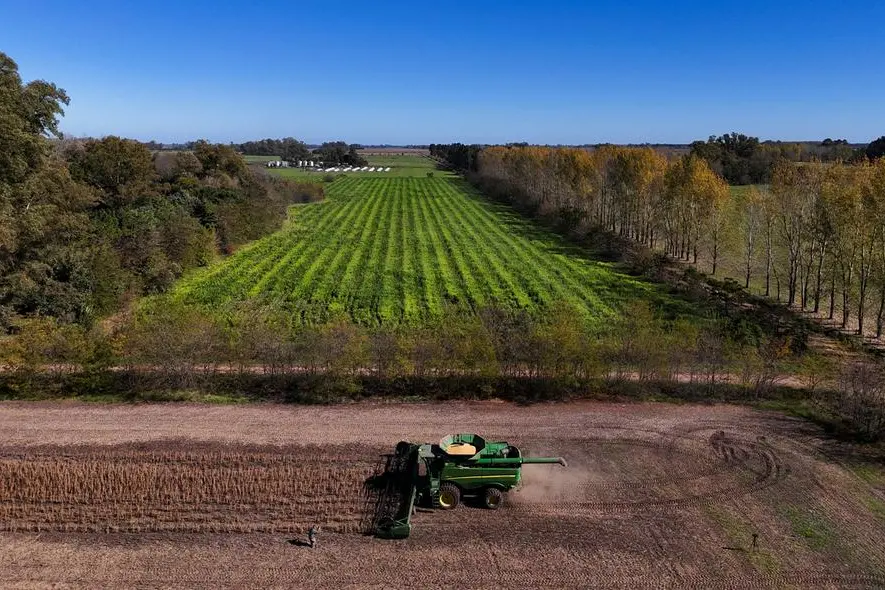
China has been buying U.S. farm products, including soybeans, following a late-October meeting between the leaders of the two countries in South Korea.
However, its purchases remain well below the 12-million-metric-ton target referred by some senior U.S. officials. Beijing has not officially confirmed the volume.
U.S. Treasury Secretary Scott Bessent said this week that China was expected to reach the target by the end of February 2026, falling short of the White House's year-end target.
The U.S. Department of Agriculture reported net export sales of U.S. soybeans in the week ended October 30 at 1,248,500 tons, in line with analysts' estimates. The tally included 232,000 tons sold to China, the country's first purchases of the 2025 harvest.
CBOT wheat fell 0.14% to $5.39-1/2 a bushel amid ample global supplies, but remained on course for a weekly gain.
On Thursday, Statistics Canada reported the country's total wheat production at nearly 40 million tons, versus an average of trade expectations for 38.5 million tons.
"The big news was the StatsCan data, which placed wheat and canola both at record highs. This continues the narrative of strong global supply," said Andrew Whitelaw, an analyst at Australian consultant Episode 3.
"Without fresh news or more tension between Ukraine and Russia, we see the market drifting lower."
Corn futures dipped 0.17% to $4.46-1/2 a bushel and were poised for a weekly drop, though prices hovered near a six-month high on solid export demand.
Cold weather in the U.S. Midwest this week has slowed the movement of grain in some areas, including on rivers that serve Gulf export terminals, supporting cash values.
Traders are beginning to adjust positions ahead of the USDA's December 9 monthly supply/demand report. (Reporting by Ella Cao and Lewis Jackson; Editing by Sumana Nandy and Subhranshu Sahu)
Reuters