PHOTO
From Comesa to the East African Community (EAC), non-tariff barriers (NTBs) have become a recurring theme in regional trade. They have been discussed, condemned, and promised away countless times, yet they persist stubbornly.
For years, the debate has revolved around whether these barriers are deliberate tools of protectionism. But this framing risks obscuring their more insidious cause: Bureaucratic dysfunction, duplication, and the erosion of trust between partner states.
The gridlock at Africa’s key border posts, like Malaba between Kenya and Uganda, exposes a deeper malaise: Inefficient systems, overlapping mandates, and administrative fragmentation that makes trade feel like a punishment.
Shippers and truckers are trapped in a web of paperwork, inspections, and arbitrary checks — symptoms of institutions that work in silos, each jealously guarding its turf. What should be gateways for commerce have become choke points of inefficiency.
Instead of framing NTBs as a contest of political will between member states, regional blocs should focus on building integrity into their regulatory systems.
Trust cannot be legislated; it must be earned through predictable processes, professional standards, and digitised procedures that limit the discretion of officials.
The rationalisation of border operations — through shared databases, automation, and transparent clearance mechanisms — would cut red tape and make borders more fluid without the need for endless political negotiations.
The recent revelations by Kenyan senators visiting Malaba and Busia are an indictment of this institutional decay. Despite collecting billions in revenue, the facilities remain poorly maintained and technologically under-equipped.
These inefficiencies are not unique to Malaba. Across the EAC and Comesa, traders face similar bottlenecks. While leaders gather at summits to decry NTBs, the daily reality is one of bureaucratic inertia and piecemeal implementation of reform.
As a result, intra-Comesa trade remains stuck below 14 percent, a stark contrast to the ambitions of the free trade area and the African Continental Free Trade Area (AfCFTA).
The cost is not just economic but reputational. Every extra hour a truck spends at a border is an hour lost in competitiveness — a silent tax on African goods and an invisible tariff on African ambition.
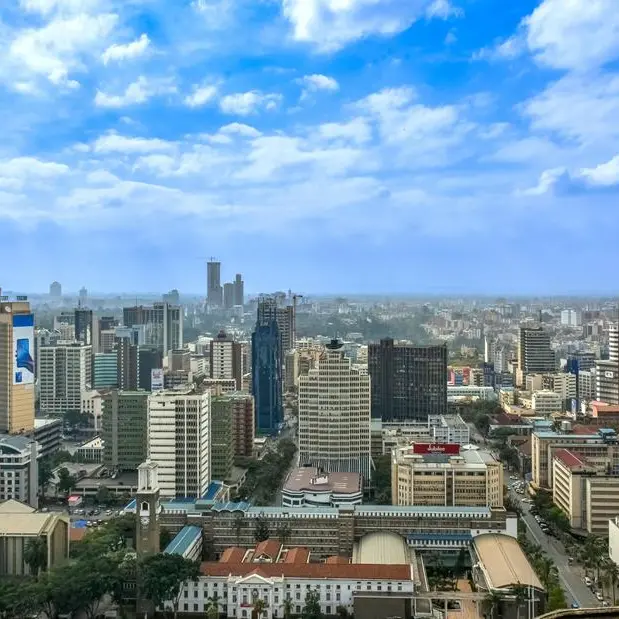
Protectionist instincts do exist, but they thrive in the cracks created by inefficiency and corruption. A more disciplined, technology-driven bureaucracy would make such instincts harder to hide behind “technical delays” or “procedural reviews.”During the Comesa Summit in Nairobi this week, officials once again decried NTBs as the “biggest hindrance” to intra-African trade.
The bloc’s Secretary General, Chileshe Mpundu Kapwepwe, rightly noted that digitalisation and transparency are key to dismantling these barriers.
The remedy lies in digitisation, harmonised procedures, and enforcement of accountability. It also lies in depoliticising NTBs by treating them not as diplomatic irritants but as managerial failures. Regional integration will not be achieved through new treaties but through competent execution of existing ones.
Africa’s borders do not need more speeches; but systems that work. Until integrity, efficiency, and trust define how agencies operate, non-tariff barriers will remain the continent’s most self-inflicted wound and its greatest obstacle to prosperity.
© Copyright 2022 Nation Media Group. All Rights Reserved. Provided by SyndiGate Media Inc. (Syndigate.info).