PHOTO
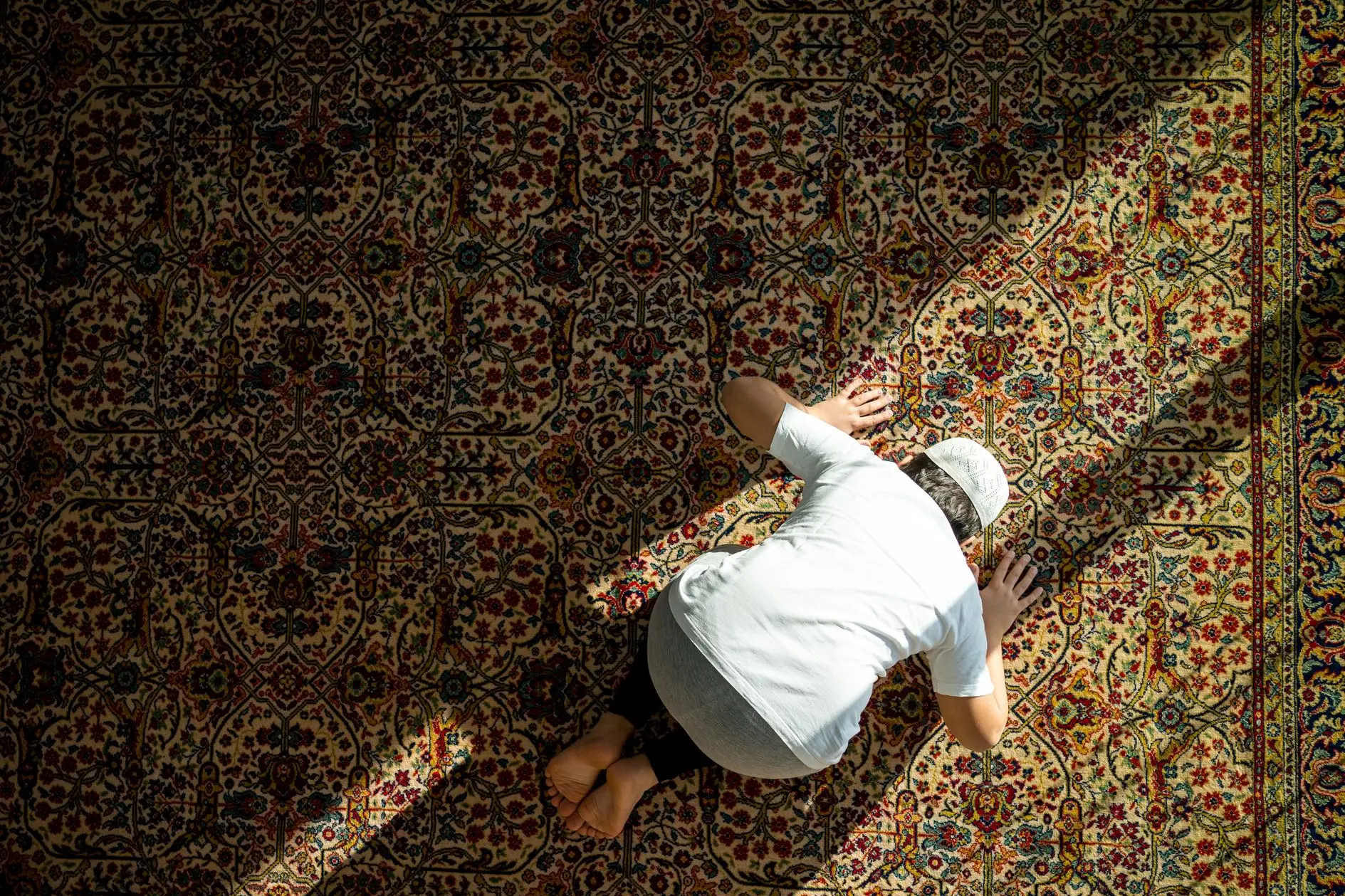
During prayers at his mosque, there was one sight that Omar Hamid was always troubled by. “Walk into any masjid in the world and you will see the same scenario around people praying in chairs,” he said. “Worshippers who use chairs usually feel like they are interfering with those around them, either by blocking the person behind or not standing in line themselves.”
It was this all-too-common scenario that led the 27-year-old American entrepreneur to come up with the Sanda chair. And our first reaction was, “Why has no one come up with this before?”
This surprisingly low-tech innovation essentially follows the same mechanics as that of a retractable theatre chair, but in reverse. “The chair is folded away when you are not using it, in the exact opposite motion as a folding theatre chair,” Omar explained. “When you begin to sit down, the chair responds by following your natural sitting motion. With this design, you’re able to stand in line like everyone else, and the chair provides support as you sit and stand, making it ideal for anyone with limited mobility.”
It is likely this simple brilliance that led to the Sanda chair winning a coveted second place in the MBC4 reality TV show Stars of Science back in 2015, after it was entered with merely a sketch.
Omar’s win led to a three-month accelerator programme at the Qatar Science and Technology Park (QSTP). He received $100,000 in funding, mentorship and branding, and he began to build a prototype. It is now in the manufacturing process.
FUSING TECH WITH FAITH
While all the podium finishers in a competition such as Stars of Science display tremendous potential for innovation, Omar stands out for being one of the rare few who effectively straddles that intersection of technology and faith. In fact, he claims to be driven by the twin goals of reviving the Islamic legacy of innovation and entrepreneurship aimed at social good, through which he hopes to bring together the global Muslim community.
As such, the high-school graduate (he dropped out of university as he didn’t want to “let schooling interfere with [his] education”) has several other projects under his belt, including co-founding LaunchGood, the world’s largest Muslim crowdfunding platform, and Atlantamuslim.com, a community portal aimed at Muslims living in his hometown of Atlanta, Georgia.
“Between all of my projects, there is a common thread,” Omar said, and that thread includes “a massive untapped potential within the Muslim community, design as a source of solutions, and building towards an inspired future.”
Such ambitious goals come with their own problems, though. In the case of the Sanda chair, it has been a matter of both perfecting the design, which has gone through its own ups and downs before reaching its current prototype stage, and then taking it to market.
According to Yoeri Nagtegaal, an industrial designer from the Netherlands who worked with Hamid during his Stars of Science project, from a functional perspective, the Sanda chair is “almost there”.
“Any product development process takes a long time in designing, building, testing and improving. You will make mistakes, but you want to make them early, so you can learn from them,” Yoeri said. “One thing we really struggled with in the Sanda chair is the weight; you want it to be lightweight for storage and handling but not too light, as it will easily tip over and not provide the user with a feeling of stability. On a higher level of materialisation and preparation for large-scale production, there is still quite a big step to take.”
The name Sanda is drawn from the Arabic word ‘sanad’, which means support. “I liken it to having your own personal helping hand, always there when you need it, which makes praying in the masjid that much more empowering,” said Omar. “And even though the original idea is for mosques, the Sanda seating motion can be used in a wide variety of applications, from auditoriums, to public transport, restaurants, homes and so on.”
For more lifestyle stories on young Muslims worldwide, visit My Salaam
© My Salaam 2018