PHOTO
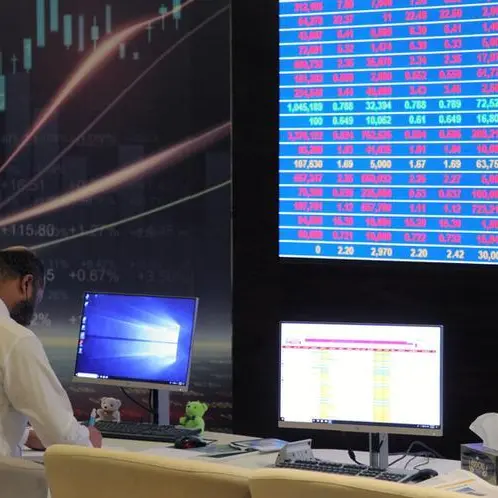
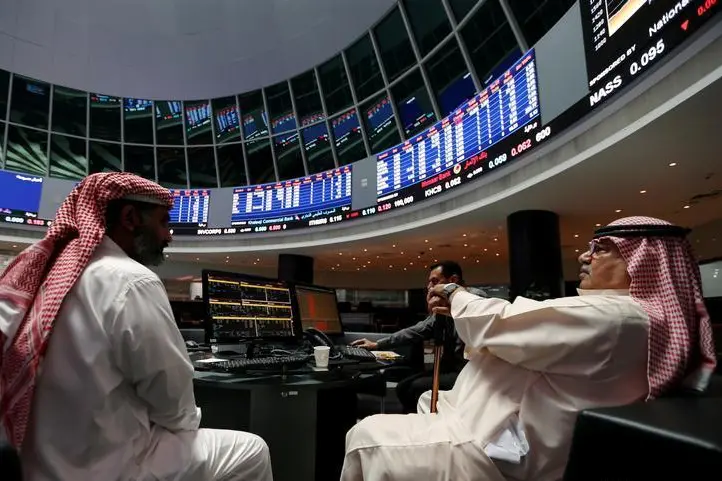
The Bahrain Bourse (BHB) faced a challenging period in March, reflecting broader regional trends as the All Share Index adjusted to 1,899.1 points, shows analysis by Kamco Invest.
Despite a 7.8 per cent monthly decline, the market continues to see active engagement from institutional players.
While all seven sectors saw a pullback, the movement largely mirrored the heightened sensitivity of global and regional markets to current geopolitical developments.
The materials sector saw the most significant adjustment, closing at 4,038.3 points after a 19.9 per cent dip.
This was primarily driven by share price movement in Alba, as investors reacted to reports of infrastructure disruptions.
The financial sector also saw a 5.4pc easing, with GFH Financial Group witnessing a 19pc correction.
However, analysts note that these valuations reflect a period of high volatility rather than a shift in long-term corporate fundamentals.
In a testament to market pockets of resilience, several companies posted positive returns during the month.
Esterad led the gainers with a 4pc increase, whereas Bahrain National Holding continued its steady performance, up 2pc.
Arab Banking Corp (Bank ABC) too recorded a modest gain of 1.3pc.
On the flip side, Alba, GFH, and Bahrain Duty Free Shop Complex (down 16.3pc) were the primary laggards as the market repriced risk.
While trading activity cooled from the highs seen in February, liquidity remained present.
Total volume for the month reached 19 billion shares, with Al Salam Bank-Bahrain topping the charts as the most heavily traded stock.
Total value traded stood at BD6.9bn. Alba continued to lead in terms of value, with BD2.1bn worth of shares exchanged, followed by Al Salam Bank and Batelco, signalling that core blue-chip stocks remain the primary focus for investors.
The kingdom is currently navigating a complex economic landscape.
Following the force majeure declaration by Bapco Energies due to refinery disruptions, the government is working to manage the impact on national output.
While the conflict poses a challenge to Bahrain’s fiscal targets and public debt management, experts say the kingdom remains committed to its fiscal balance programme.
Observers are closely watching for further policy measures aimed at stabilising the economy and protecting the progress made on fiscal reforms.
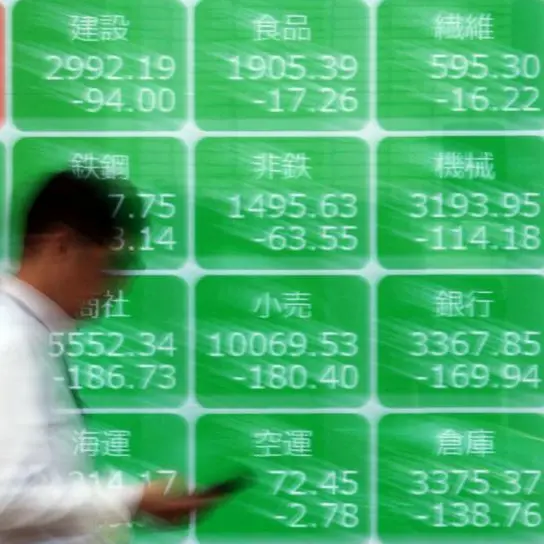
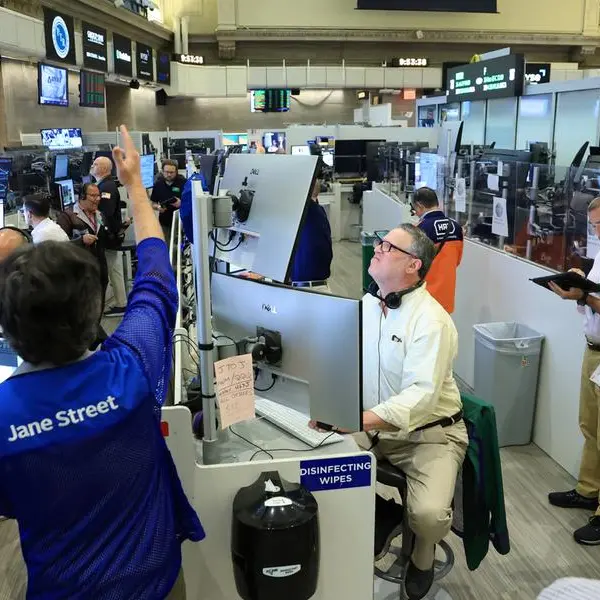
Zooming out, global equity markets shed over $7 trillion in value in March as the Middle East conflict sparked a flight from risk, though Gulf markets outperformed their global peers on the back of soaring energy prices.
The MSCI World index fell 7.4pc during the month, driven by double-digit losses in Asia-Pacific and emerging markets.
European benchmarks slumped 8pc, while US indices staged a late-month recovery to trim losses to approximately 5pc.
On the commodities front, crude oil prices nearly doubled in March, marking the second-largest quarterly surge of the century.
Natural gas prices in Europe saw a similar 100pc spike.
The inflationary pressure has effectively sidelined expectations for imminent interest rate cuts, though recent dovish rhetoric from the Federal Reserve has provided some relief regarding funding costs.
The GCC equity index proved more resilient than global counterparts, easing just 2.6pc.
Gains in Saudi Arabia and Oman largely offset sharp sell-offs elsewhere in the region.
Dubai’s index bore the brunt of the regional volatility, diving 16.4pc — its steepest monthly drop since March 2020.
Abu Dhabi fell 8.9pc, while Kuwait recovered late in the month to close down 1.8pc.
In contrast, Saudi Arabia’s TASI gained 5pc, bolstered by a 9.8pc jump in Saudi Aramco shares as the country appeared less directly impacted by the conflict.
Regional performance remained polarised across the GCC as market sectors reacted differently to the unfolding crisis.
The energy sector climbed 5.4pc, bolstered by the surge in global oil prices, while defensive sectors including healthcare, pharmaceuticals, and food and beverage posted healthy gains as investors sought safety.
In contrast, the real estate and transportation sectors emerged as the month’s primary laggards, with both recording double-digit declines.
Copyright 2026 Al Hilal Publishing and Marketing Group Provided by SyndiGate Media Inc. (Syndigate.info).