JEDDAH, 19 January 2008 -- Results of the five-day campaign boycotting local fresh milk and dairy producers are in and has proven to have had no impact whatsoever on sales, according to leading Saudi dairy companies and store owners Kingdomwide.
"We have had normal sales since the beginning and throughout the boycott," said Benny George, store manager of Al Azizia Panda supermarket in Dammam. "All of our fresh milk brands have been selling quite well and the distribution trucks were here earlier today to restock shelves."
Surprised to hear that the 5-day boycott ended on Wednesday, Jaber Abdalghani, operations manager at Danube supermarket in Riyadh also told Arab News that dairy products including fresh milk varieties have been sustaining strong sales as usual.
"This is the first time I have heard about such a boycott as over the past week inventories and sales of milk have been falling in line with our usual sales figures," he said.
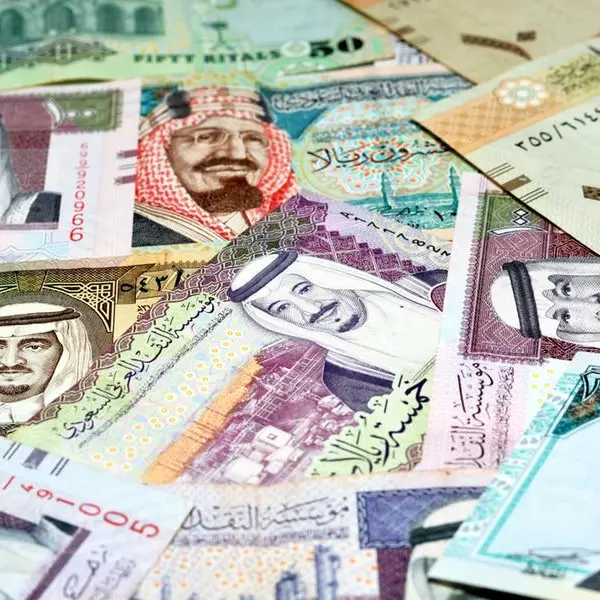
The campaign deemed "Let them rot" was launched via SMS, e-mail, and on websites and asked citizens to refrain from purchasing fresh milk for five days -- the shelf life of dairy products. The boycott was called by SMS and disseminated on websites from unknown people claiming the move was in retaliation for price hikes. A number of dairy companies decided to hike prices of their 1 and 2-liter varieties of fresh milk by SR1, a decision which drew the anger of already price-strapped Saudi consumers who have been hit by escalating increases in food prices linked to the riyal's peg to a weakening US dollar coupled with the country's heavy dependence on imports.
Brad Bourland, chief economist and head of research at Jadwa Investment, pointed out that prices aren't just going up in Saudi Arabia.
"The dilemma ... has to do mainly with staple foods such as rice, meat and in particular corn, which is being used to make ethanol, an alternative fuel source to petroleum. For this reason because it is a global problem, I feel that there isn't really a lot Saudi Arabia can do to curb food price inflation."
Storeowners in Jeddah have also been reporting no major interruption in milk sales over the last five days.
"Milk is a necessity that families must have for their children, and an item which is used daily in Saudi Arabia," said Alavi Hydross, sales manager of Al-Maharjan convenience store in Jeddah. "In my opinion I don't think customers are going to stop purchasing it just because of a slight increase of a riyal or two, adding that a drastic price increase of five riyals or more would have to take place before real protesting would begin.
Last month Custodian of the Two Holy Mosques King Abdullah ordered a rice subsidy and an increase in the subsidy for baby formula in order to ease the inflation burden.
Speaking about the effects of the recent milk boycott on Saudi dairy producers and the reason behind the price hike, Munzir Tayeb, head of public relations for Al-Marai Company based in Riyadh added, "We review our sales daily and have had no change over the last five days as a result of the boycott."
Tayeb added that the price increases have to do with the realities of the market, not consumer fraud. "We believe that Saudi consumers are wise enough to understand the reason that Al-Marai as well as other dairy producers were forced to raise prices," he said.
A spokesman at SADAFCO (Saudia Dairy & Foodstuff Co.), producers of Saudi milk and dairy products also added that they received no impact from the recent milk boycott.
Minister of Commerce Hashim Yamani had said earlier that the Ministry of Commerce began investigating the price increases. The city of Riyadh recently announced measures to post weekly price benchmarks of five area markets to help consumers keep track of prices. The move came as a response to concerns that some vendors would exploit inflationary increases to artificially boost prices and defraud consumers.
Yamani also said that the Ministry of Commerce is currently checking to see if local dairy producers may have collaborated in price fixing, warning that if such an agreement was found to be true it would be a violation of Article 4 of the Competition Law that could carry stiff penalties.
By Sarah Abdullah
© Arab News 2008