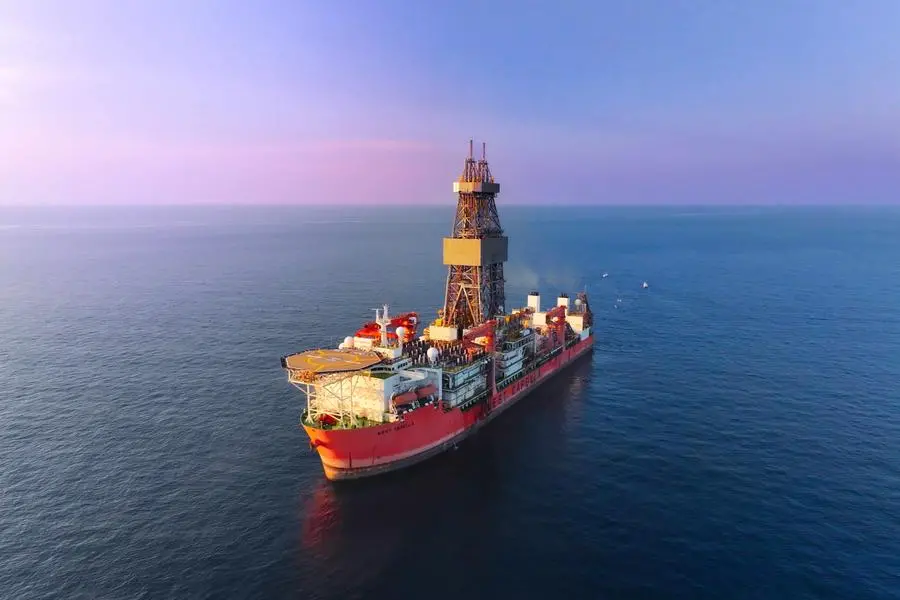
Korean Oil Tanker Carrying Iraqi Crude Hijacked By Pirates Off Somalia
A South Korean-owned oil tanker carrying an estimated 1.5mn barrels of crude was hijacked by Somali pirates in the Indian Ocean on 4 April, the European Union Naval Force (EU-NAVFOR) mission for Somalia has confirmed. The Marshall Islands-flagged Samho Dream – registered by Samho Shipping – had been on its way from Iraq to the US when it was captured 600 nautical miles off Somalia. Its crew of 24 is “believed to be safe at the moment,” EU-NAVFOR said, with the vessel now having arrived off the Somali coast. The cargo belongs to Texas-based Valero Energy Corporation. A Korean destroyer – the Chungmugong Yi Sun Shin – is in pursuit of the vessel, officials said on 7 April, though no contact had yet been made. South Korea, which has seen at least four of its ships captured by Somali pirates in recent years, is one of several Asian countries to have contributed to EU and NATO efforts to prevent piracy in the Somali Basin and Gulf of Aden. The destroyer has been helping to patrol the internationally recommended transport corridor in the Gulf of Aden since January, and Korean naval vessels routinely escort Korean merchant vessels.
Somali Pirates Widening Area Of Attack
The Samho Dream hijacking has highlighted the worsening security conditions off Somalia. It followed the capture of the Iceberg 1 cargo ship 10 miles from the port of Aden on 29 March, while seven Indian vessels were reported as hijacked a day later. On April 7, meanwhile, a Turkish cargo ship was captured 250 nautical miles from Mombasa, Kenya. “The entire Indian Ocean is becoming a problem of piracy,” commander of US naval operations in Europe and Africa Admiral Mark Fitzgerald, said during an address on NATO strategy at the International Institute of Strategic Studies (IISS) in London on 25 March. Somali pirates appear to have now widened their attack area to include the Indian coast as well as the Mozambique Channel, the admiral noted. A recent report by the International Chamber of Commerce’s (ICC) Commercial Crime Services found that Somali pirates accounted for more than half of the 406 incidents worldwide in 2009, with 47 vessels hijacked and 867 crew members taken hostage. The study further corroborated Admiral Fitzgerald’s assertions on the increasing scope of pirates’ area of attack, noting: “While the 2008 attacks were predominantly focused in the Gulf of Aden, 2009 has witnessed more vessels also being targeted along the east coast of Somalia.” It further noted increased activity in the Indian Ocean, with 33 incidents and 13 hijackings.
However, while incidents were on the rise, the number of successful hijackings was proportionally less than in 2008 thanks largely to the efforts and coordination of Western anti-piracy missions, the report said. EU-NAVFOR currently has eight ships patrolling the region as part of Operation Atalanta, with its total fleet in cooperation with NATO and the Combined Maritime Forces (CMF) comprising 30 vessels. In November, the Prime Minister of the Transitional Federal Government (TFG) – which controls the central regions of Somalia – noted that local piracy was the result of a diminishing fishing industry and the associated loss of Somali livelihoods, in part caused by illegal fishing by neighboring countries (MEES, 9 November 2009).
Copyright MEES 2010.