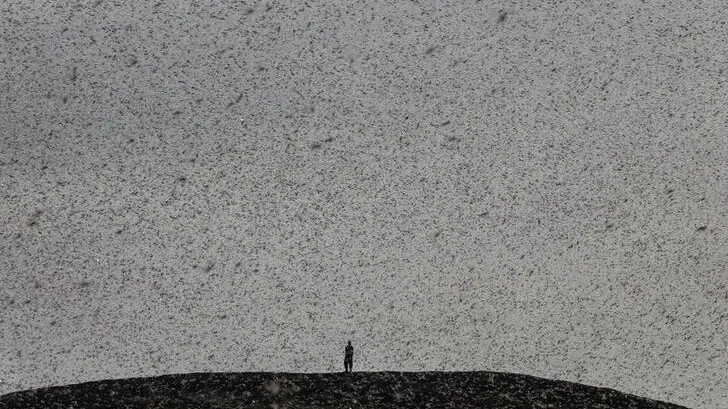
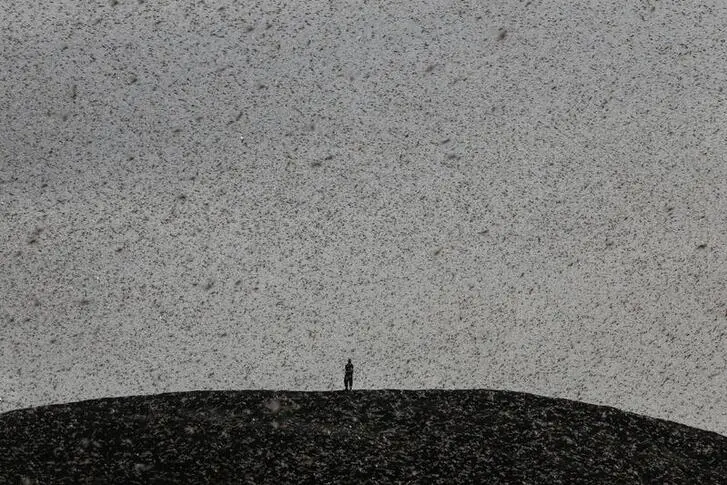
A man engulfed by a swarm of desert locusts, stands on top of a hill near Nanyuki, Kenya, January 30, 2021. REUTERS/Baz Ratner
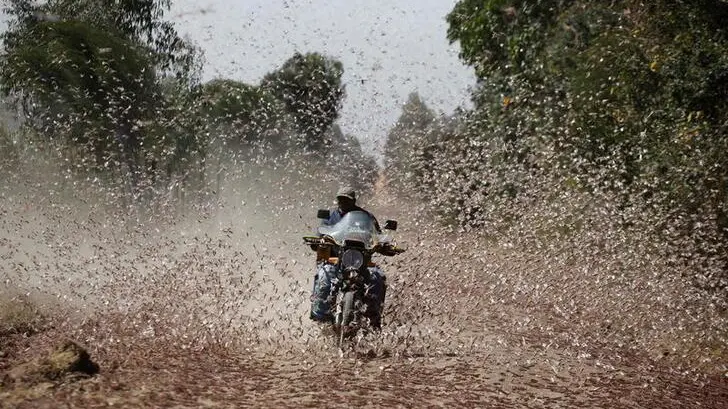
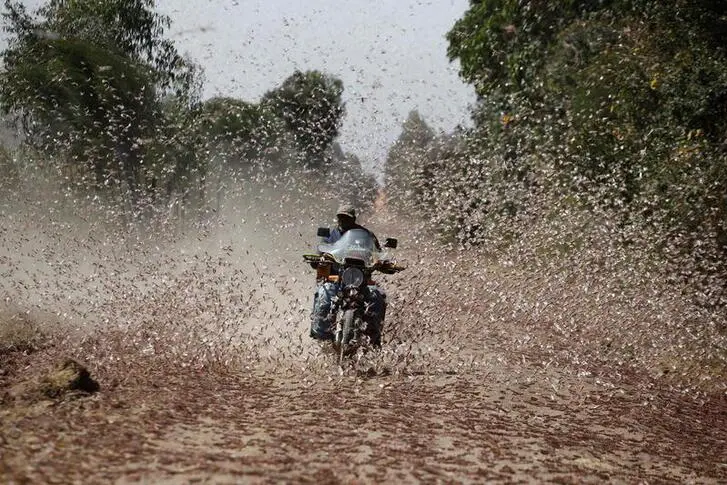
A man riding a motorcycle drives through a swarm of desert locusts near the town of Rumuruti, Kenya, February 1, 2021. REUTERS/Baz Ratner
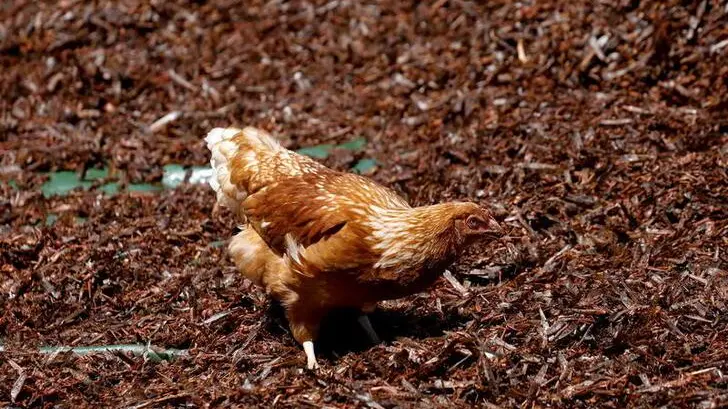
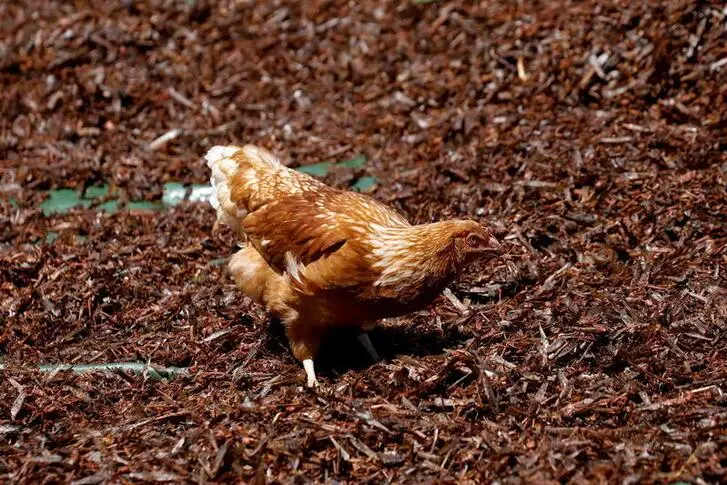
A chicken feeds on crushed desert locusts after they were left out to dry, before the locusts are made into animal feed, at a farm near the town of Rumuruti, Kenya, February 3, 2021. REUTERS/Baz Ratner
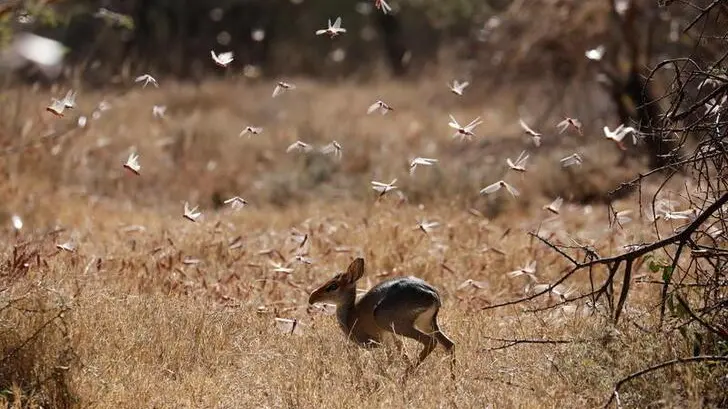
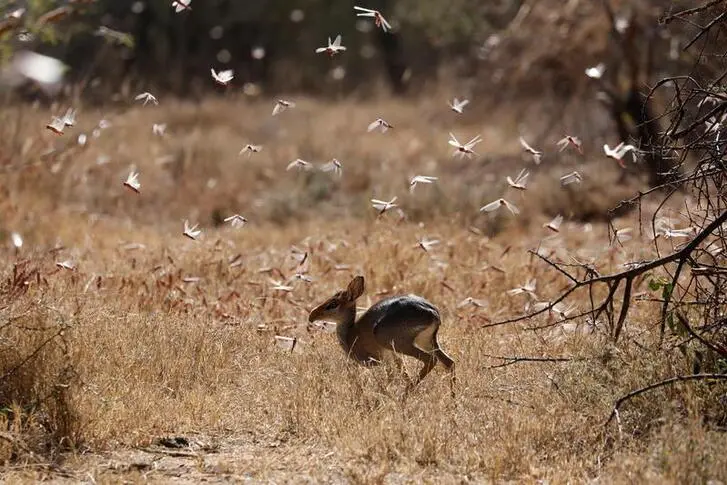
Desert locusts fly past a dik-dik antelope near the town of Nanyuki, Kenya, January 31, 2021. REUTERS/Baz Ratner
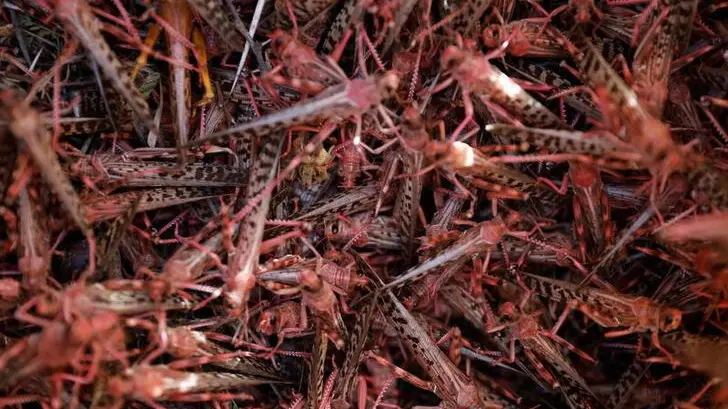
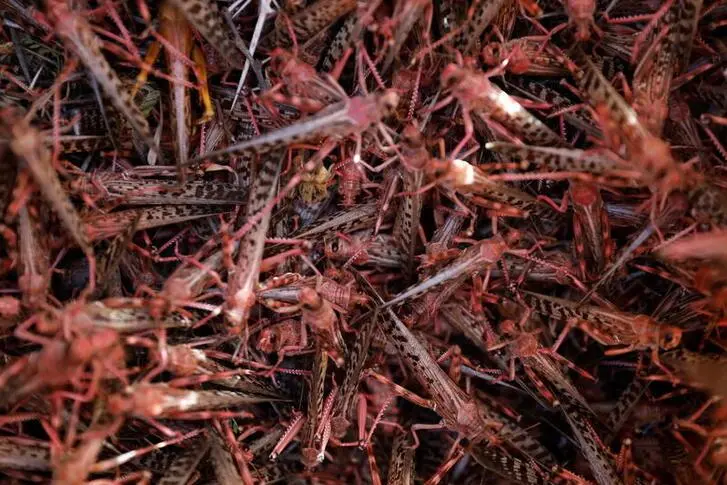
Desert locusts caught during a harvest are stored inside a sack near the town of Rumuruti, Kenya, February 1, 2021. REUTERS/Baz Ratner
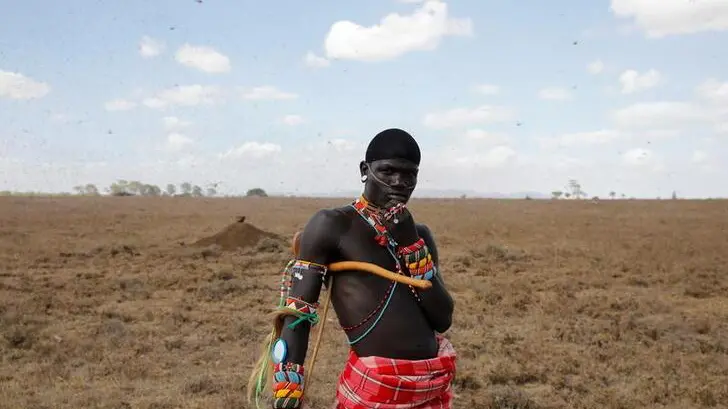
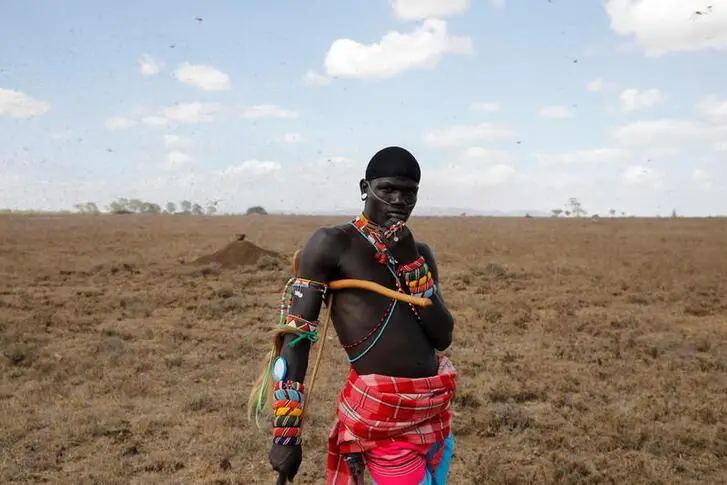
A Samburu warrior poses for a photo as desert locusts swarm around him in Angata E Kitenya, near the town of Rumuruti, Kenya, February 3, 2021. REUTERS/Baz Ratner
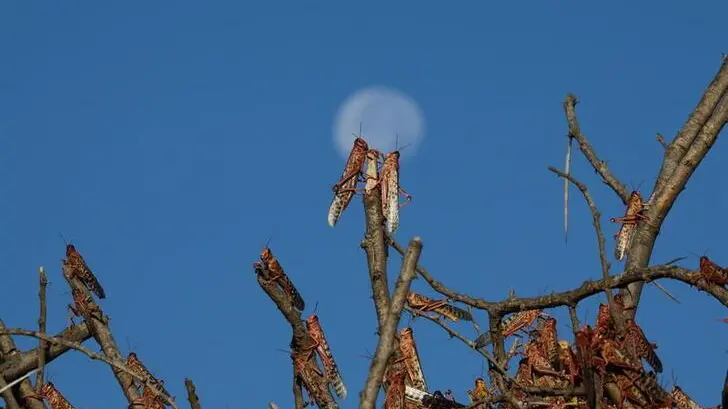
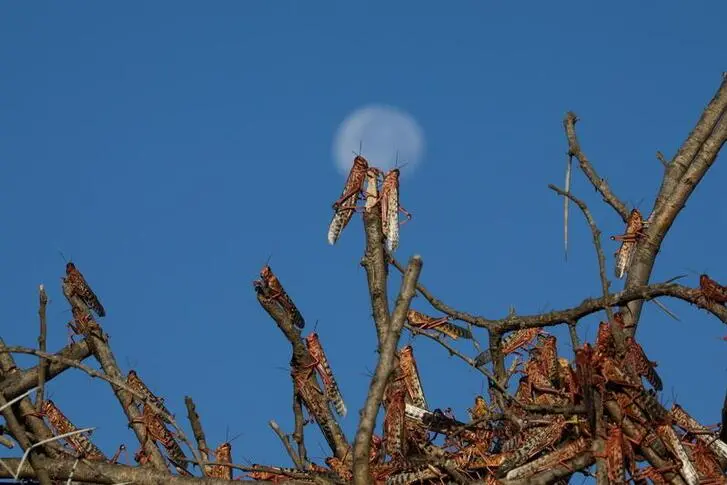
Desert locusts rest on tree branches near the town of Nanyuki, Kenya, January 31, 2021. REUTERS/Baz Ratner
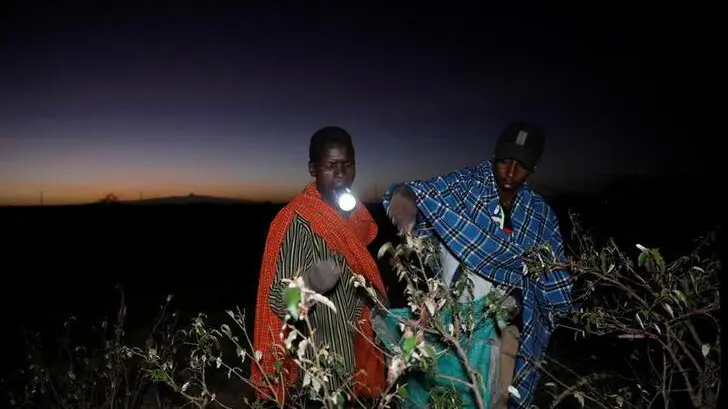
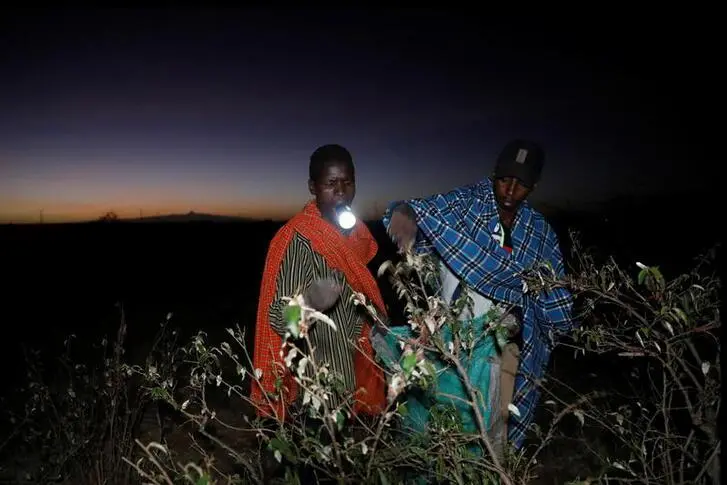
Joseph Mejia, a farmer, holds a flashlight in his mouth while harvesting desert locusts near the town of Rumuruti, Kenya, February 1, 2021. "They destroy all the crops when they get into the farms. Sometimes they are so many, you cannot tell them apart, which are crops and which are locusts," said Mejia. REUTERS/Baz Ratner
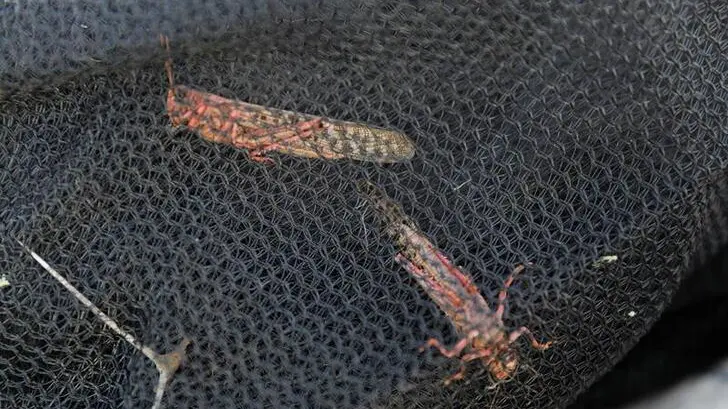
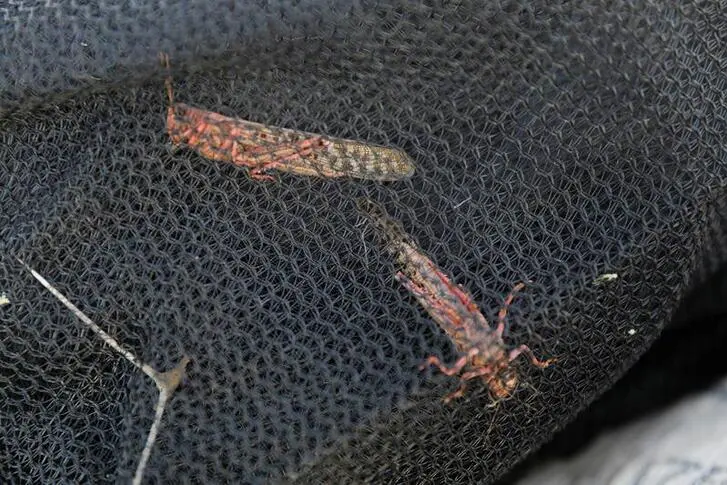
Desert locusts are caught in a net as they are harvested near the town of Rumuruti, Kenya, February 1, 2021. REUTERS/Baz Ratner
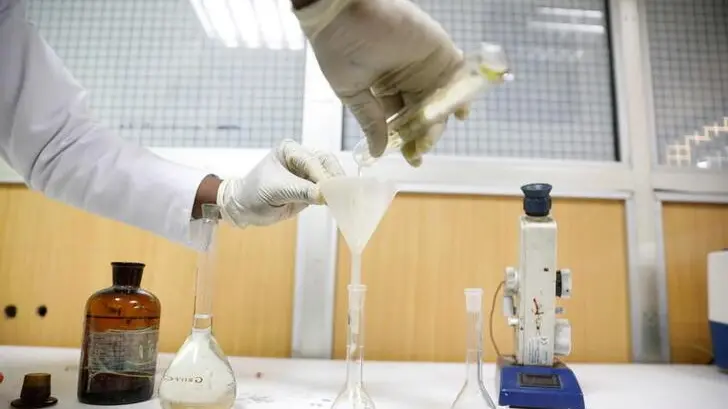
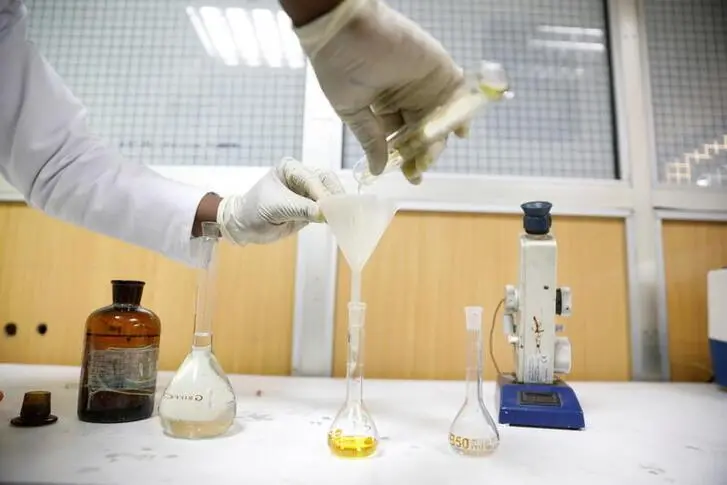
Philip Ouma, a laboratory manager, tests the nutritional value of desert locusts at the laboratory Spectralab, in Nairobi, Kenya, February 16, 2021. REUTERS/Baz Ratner
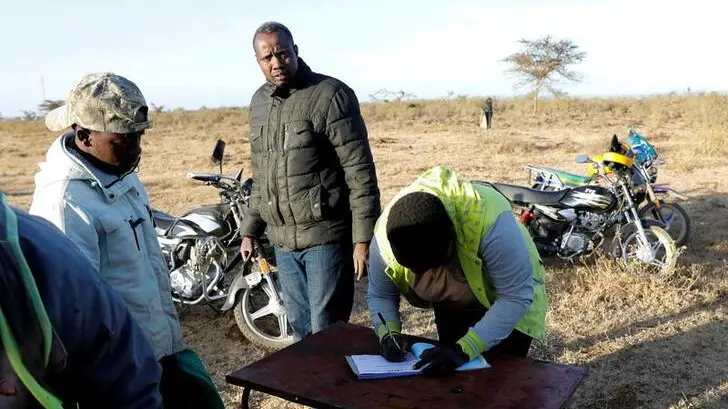
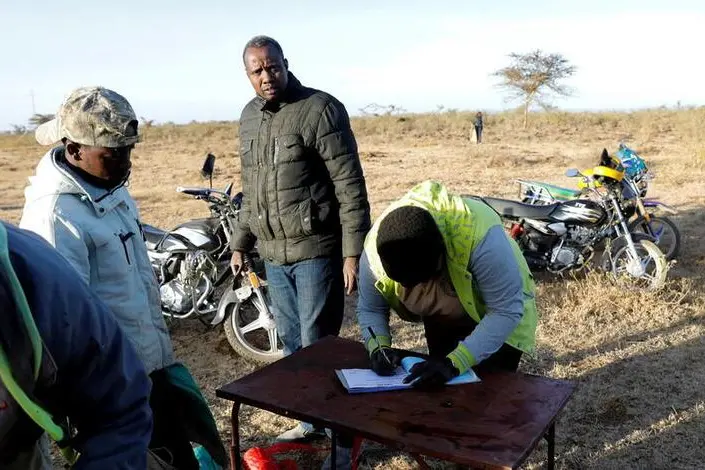
Albert Lemasulani, a field coordinator who works for the start-up The Bug Picture, watches workers be paid, after they harvested desert locusts, near Rumuruti, Kenya, February 1, 2021. "The biggest part of the animal feed is the protein," Lemasulani said. "The community ... are collecting locusts, once they (are collected) they are weighed and paid." REUTERS/Baz Ratner
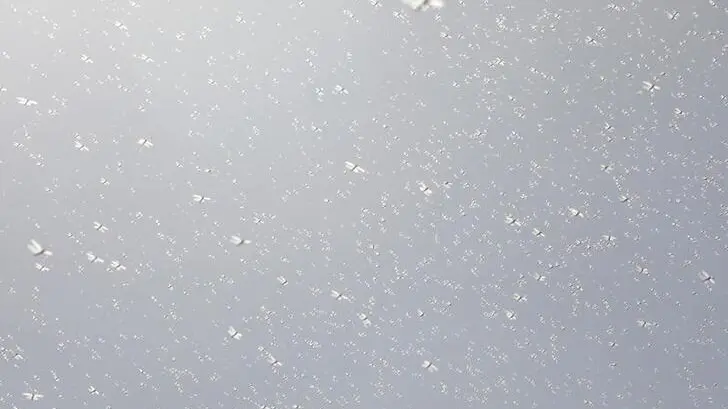
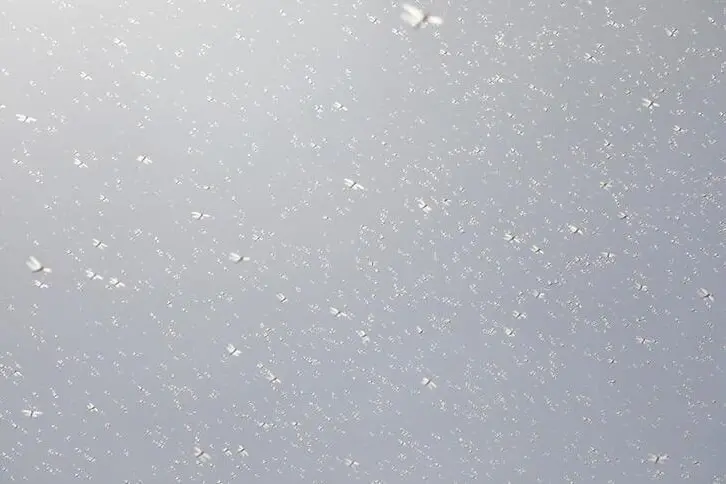
Desert locusts fly near the town of Rumuruti, Kenya, February 1, 2021. REUTERS/Baz Ratner
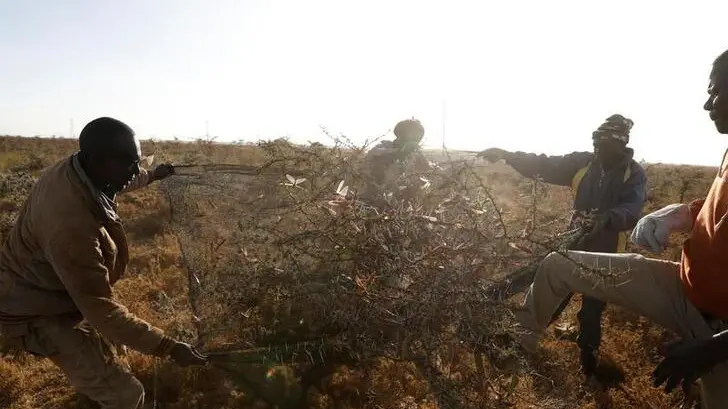
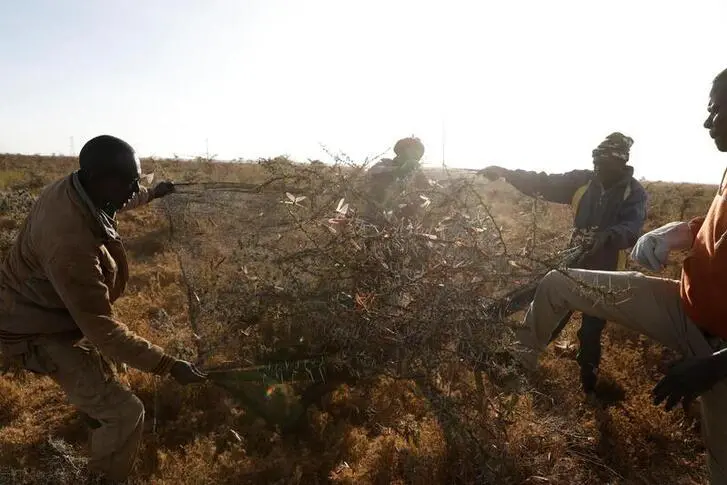
Men use a net to harvest desert locusts, near the town of Rumuruti, Kenya, February 1, 2021. REUTERS/Baz Ratner
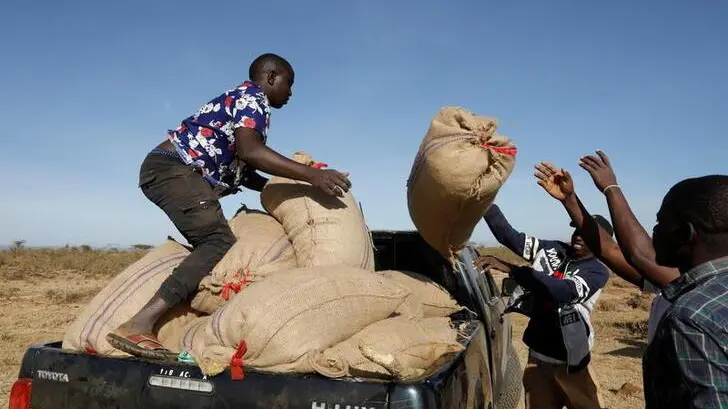
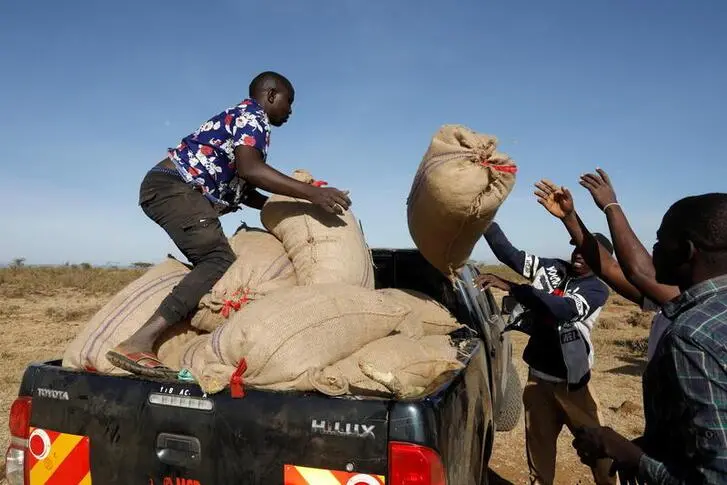
People load a pick-up truck with sacks filled with harvested desert locusts near the town of Rumuruti, Kenya, February 1, 2021. REUTERS/Baz Ratner
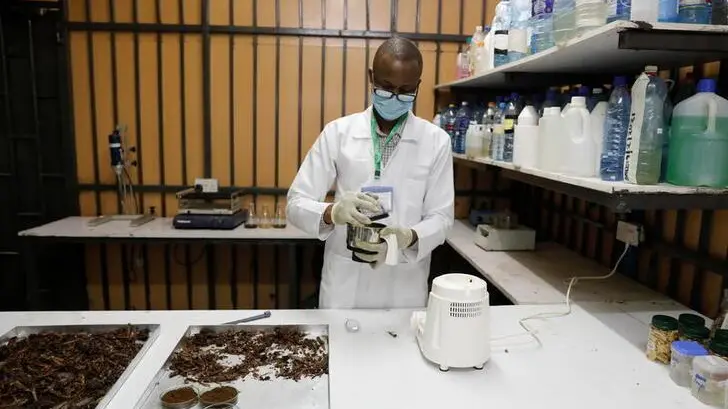
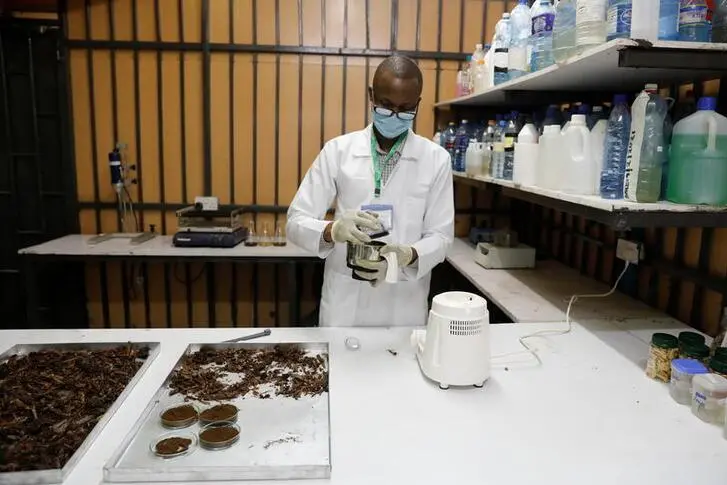
Philip Ouma, a laboratory manager, tests the nutritional value of desert locusts at the laboratory Spectralab, in Nairobi, Kenya, February 16, 2021. REUTERS/Baz Ratner
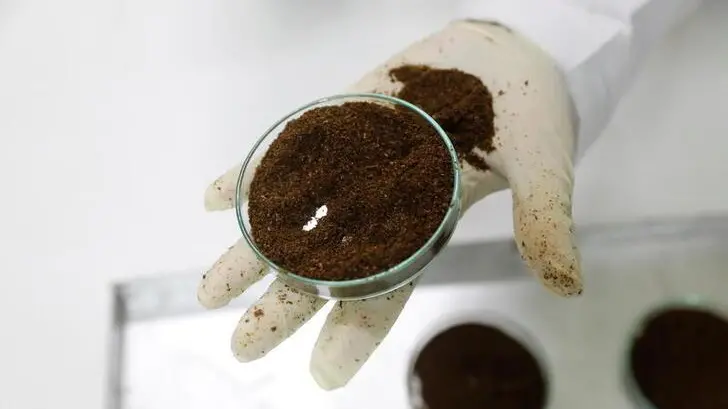
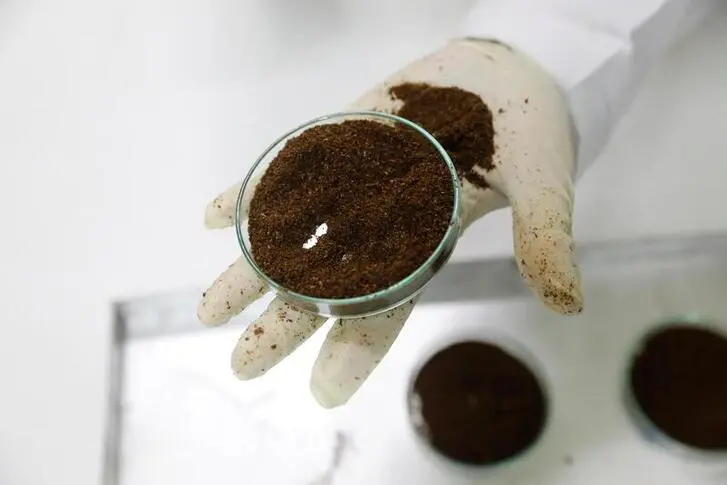
Philip Ouma, a laboratory manager, holds a dish containing ground desert locusts at the laboratory Spectralab, in Nairobi, Kenya, February 16, 2021. REUTERS/Baz Ratner
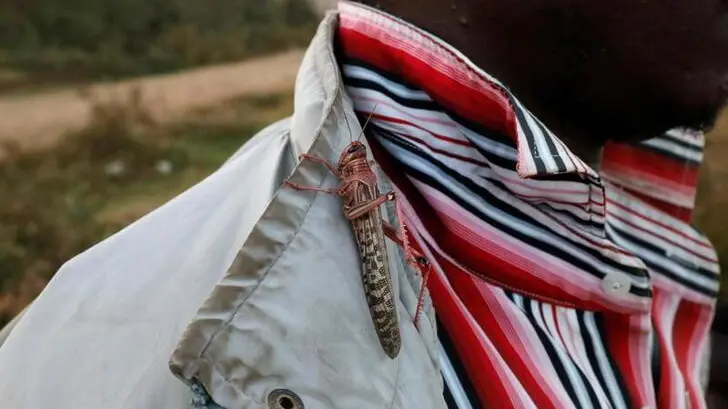
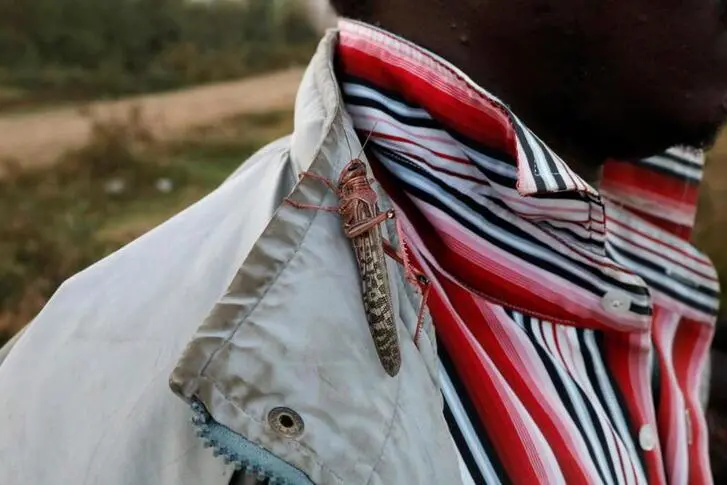
A locust sits on a man's shirt as desert locusts are harvested near the town of Rumuruti, Kenya, February 3, 2021. REUTERS/Baz Ratner
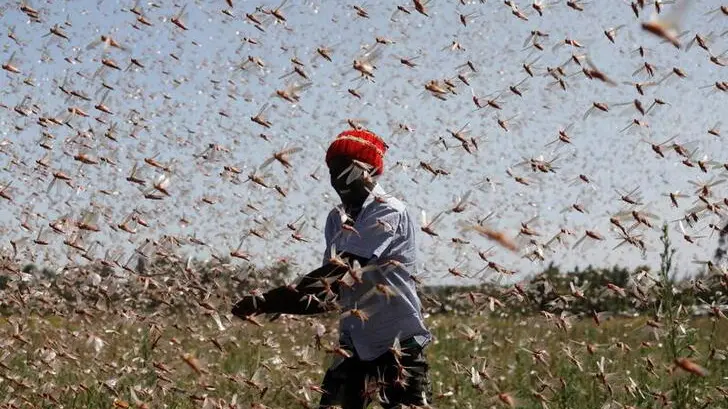
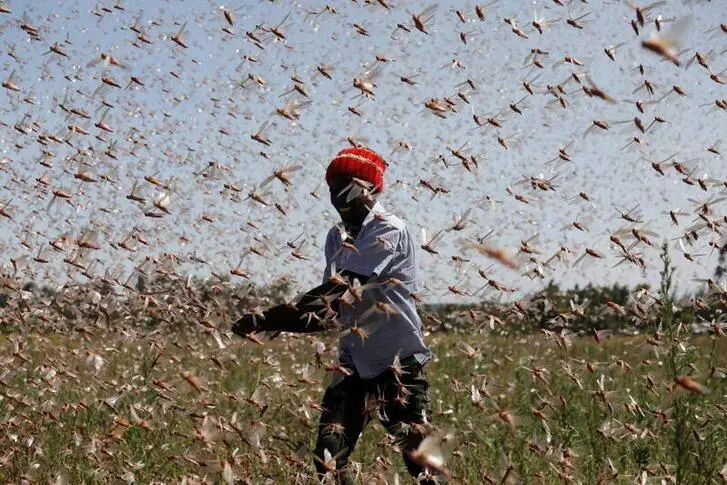
A man tries to chase away a swarm of desert locusts away from a farm, near the town of Rumuruti, Kenya, February 1, 2021. REUTERS/Baz Ratner
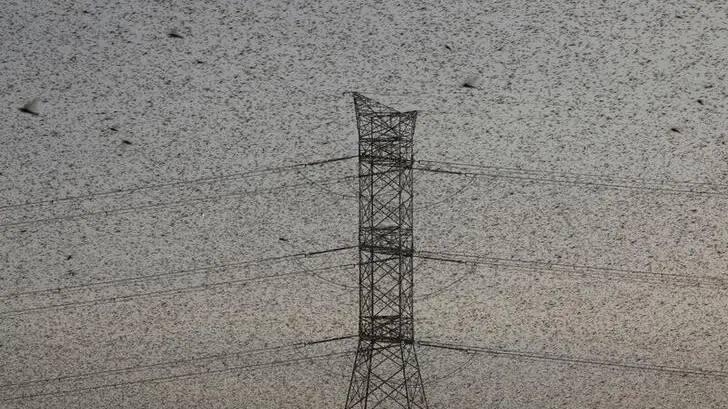
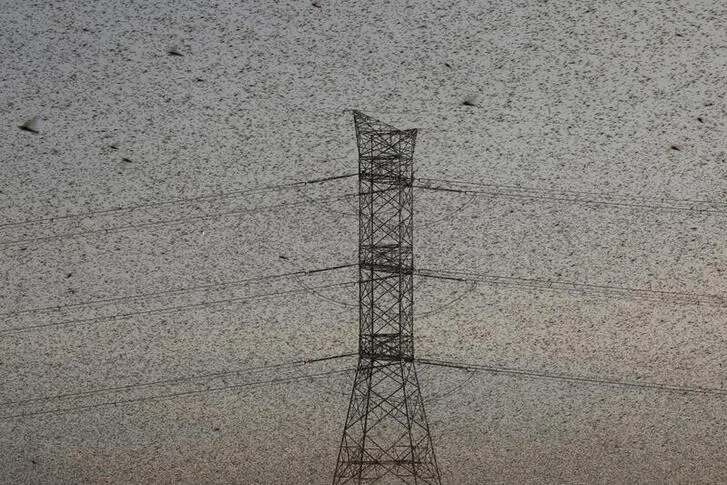
A swarm of desert locusts engulf a high voltage electricity transmission tower near the town of Rumuruti, Kenya, January 31, 2021. REUTERS/Baz Ratner
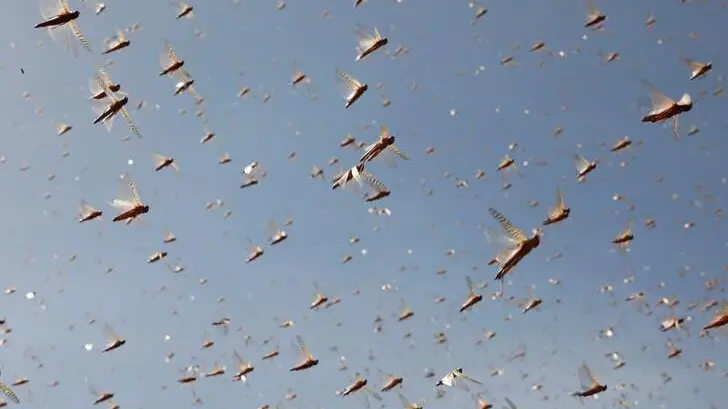
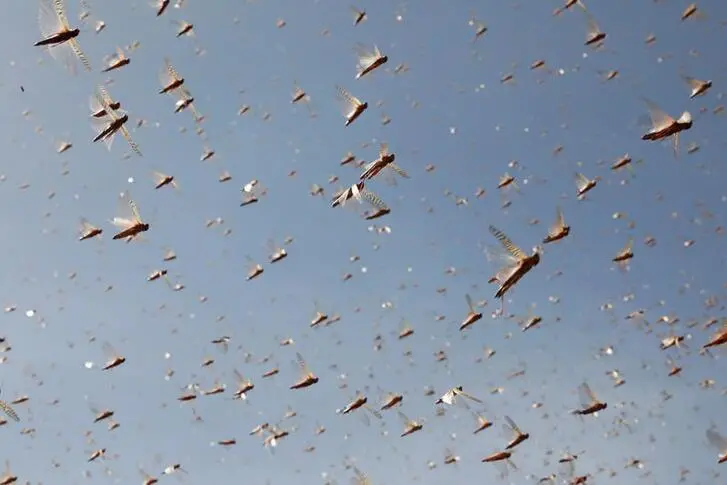
Desert locusts fly near the town of Rumuruti, Kenya, February 1, 2021. REUTERS/Baz Ratner
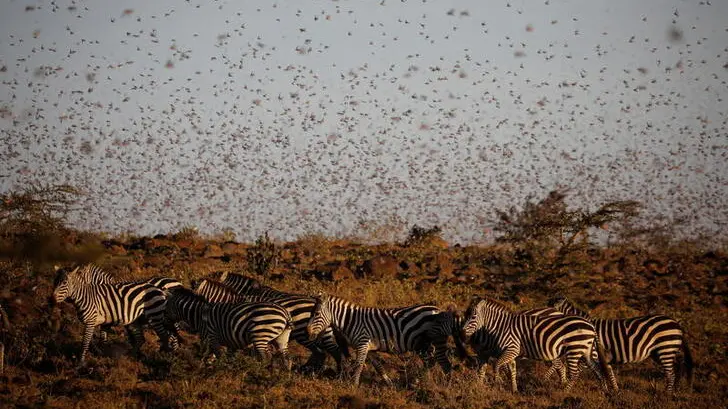
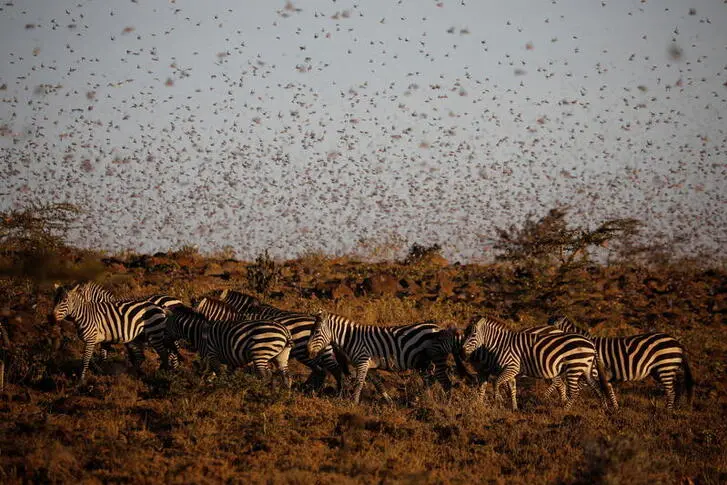
A swarm of desert locusts fly next to a herd of zebras near the town of Rumuruti, Kenya, January 31, 2021. REUTERS/Baz Ratner
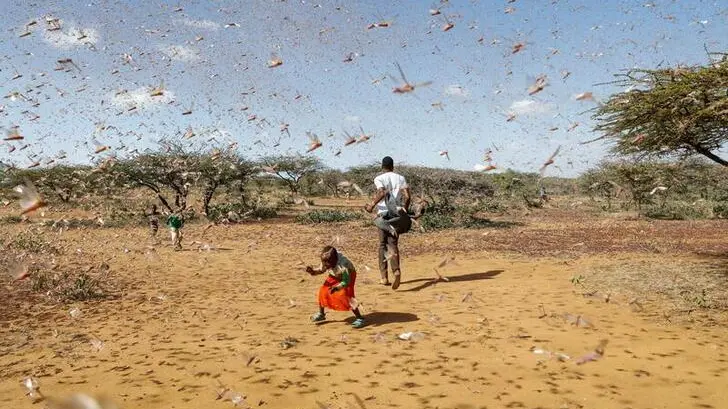
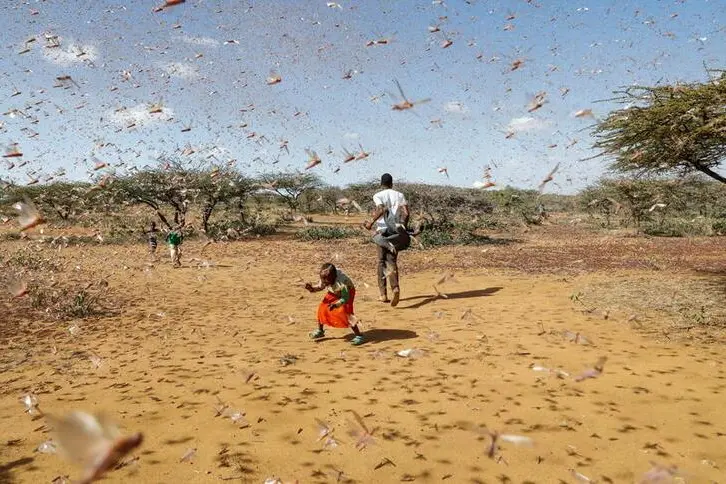
A child tries to chase away a swarm of desert locusts in Naiperere, near the town of Rumuruti, Kenya, January 30, 2021.
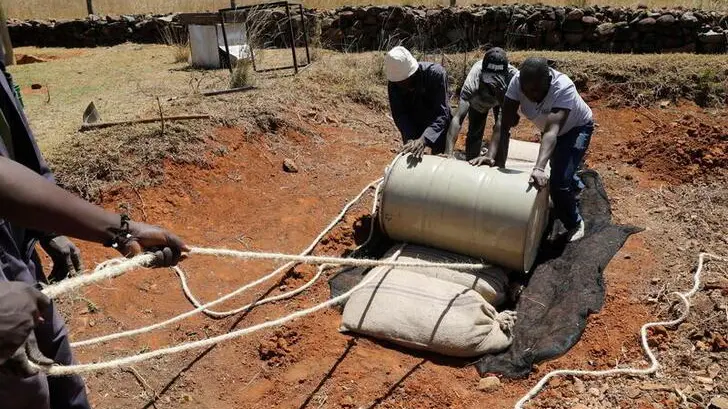
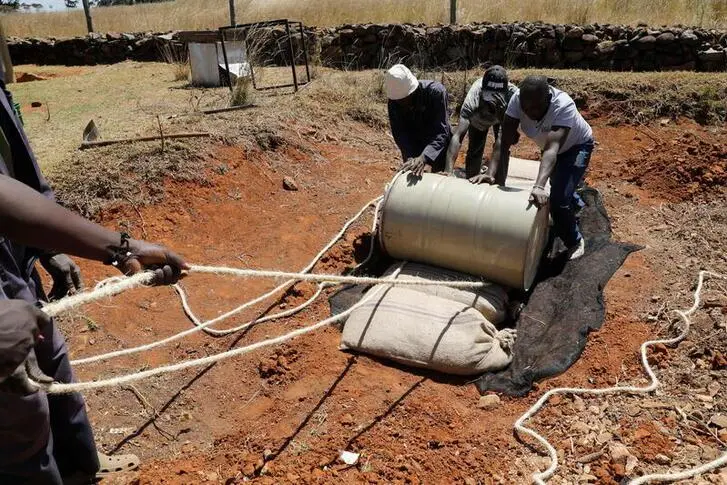
Workers use a barrel to crush sacks filled with harvested desert locusts, at a farm near the town of Rumuruti, Kenya, February 1, 2021. REUTERS/Baz Ratner
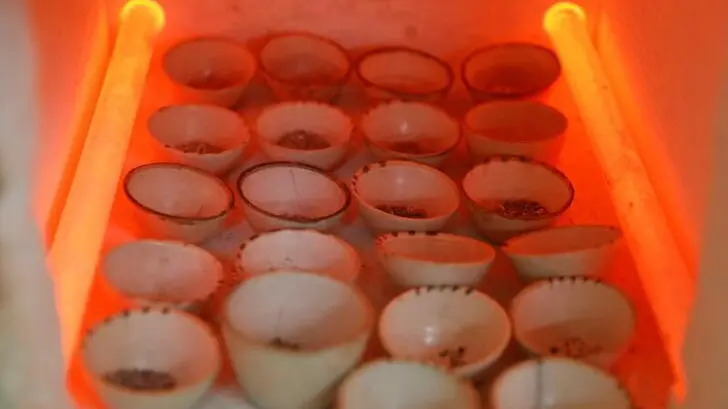
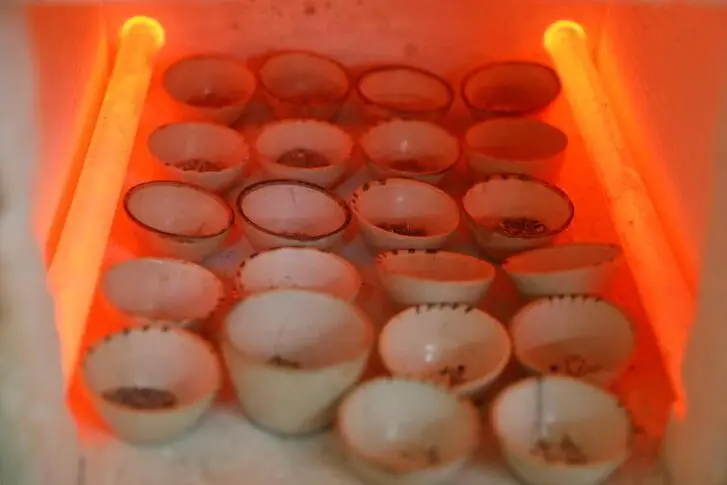
Image used for illustrative purpose.
Dishes containing ground desert locusts are dried inside a furnace at the laboratory Spectralab in Nairobi, Kenya, February 16, 2021. REUTERS/Baz Ratner
Farmers fight back: making animal feed from a locust plague