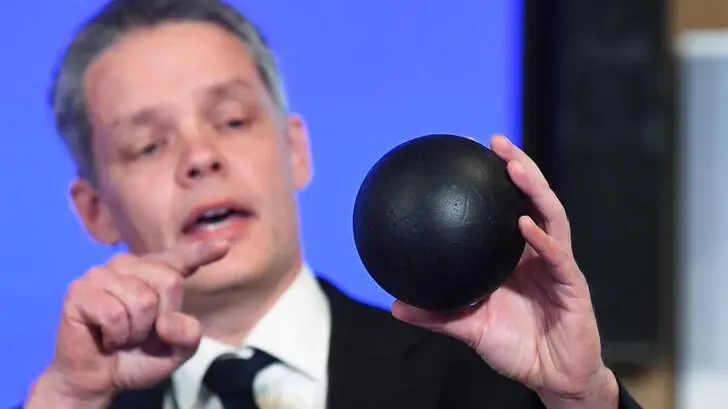
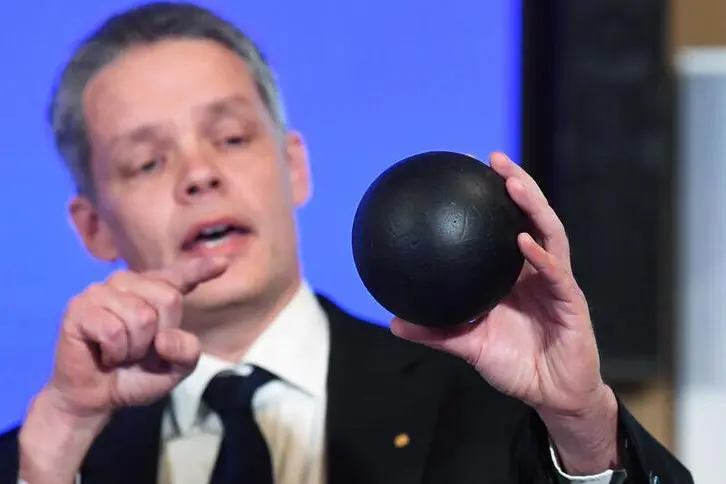
Ulf Danielsson, member of the Royal Swedish Academy of Sciences, speaks during an announcement of the winners of the 2020 Nobel Prize in Physics during a news conference at the Royal Swedish Academy of Sciences, in Stockholm, Sweden October 6, 2020. TT News Agency/Fredrik Sandberg via REUTERS
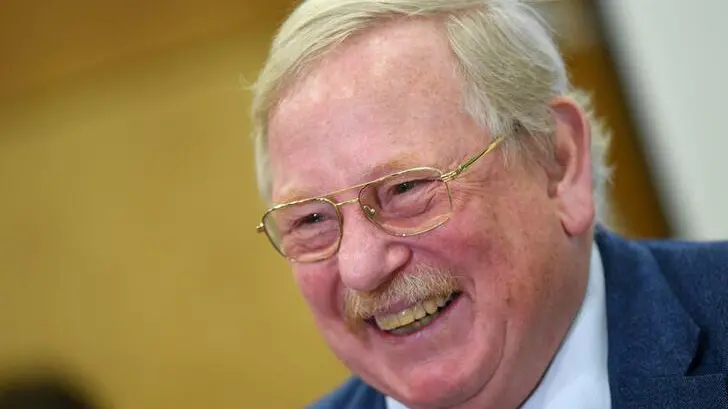
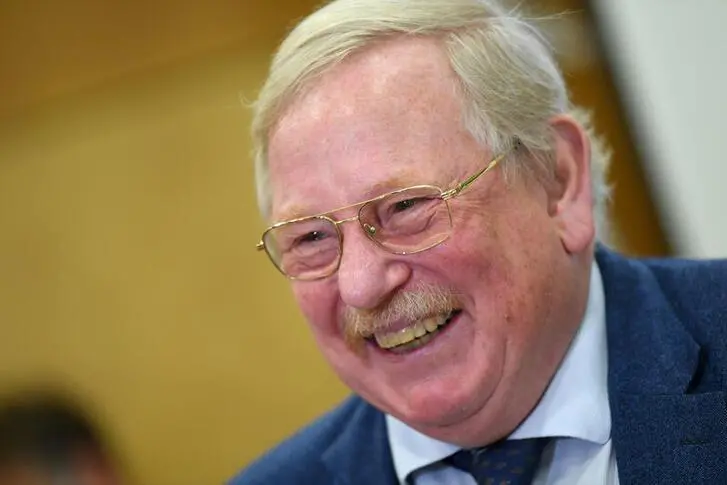
German astrophysicist Reinhard Genzel, director of the Max Planck Institute for Extraterrestrial Physics, reacts following the announcement he wins the 2020 Nobel Prize for Physics in Garching near Munich, Germany, October 6, 2020.
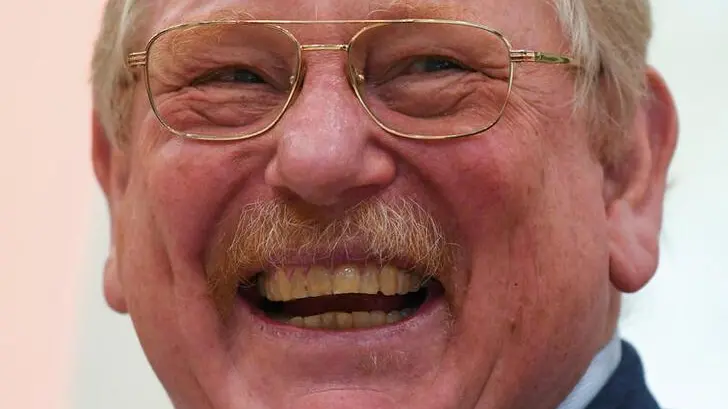
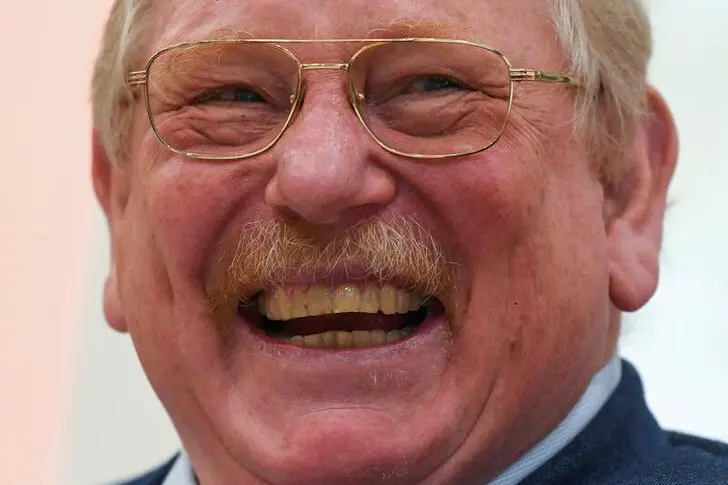
German astrophysicist Reinhard Genzel, director of the Max Planck Institute for Extraterrestrial Physics, reacts following the announcement he wins the 2020 Nobel Prize for Physics in Munich, Germany, October 6, 2020.
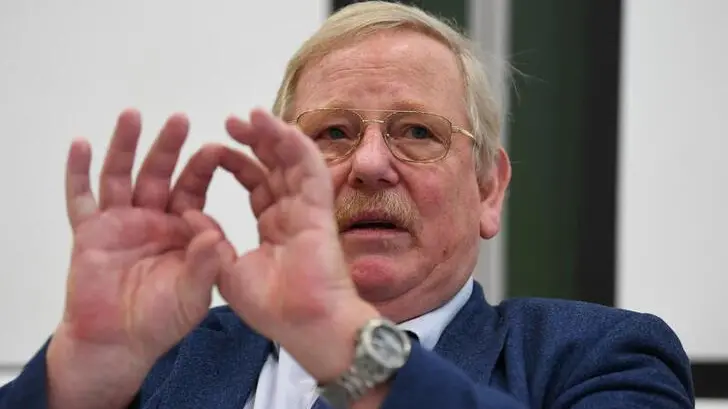
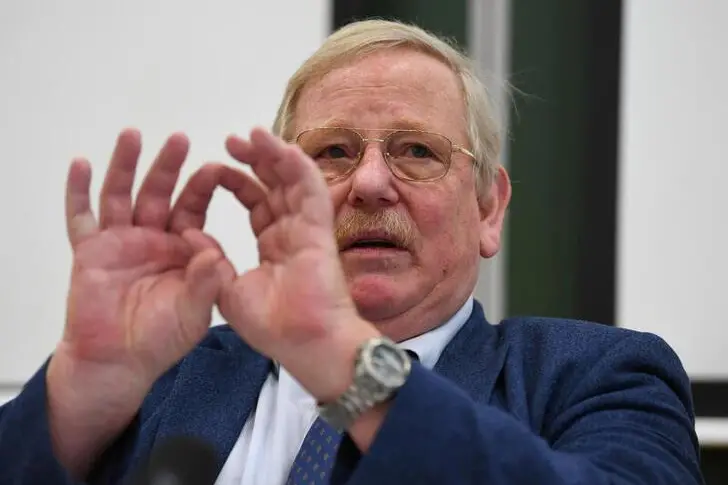
German astrophysicist Reinhard Genzel, director of the Max Planck Institute for Extraterrestrial Physics, reacts following the announcement he wins the 2020 Nobel Prize for Physics in Garching near Munich, Germany, October 6, 2020.
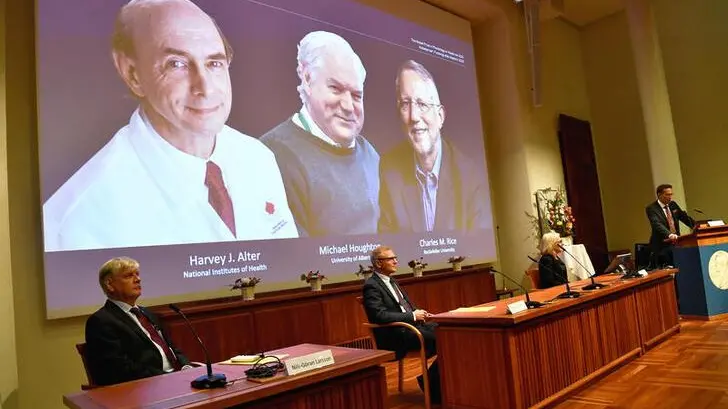
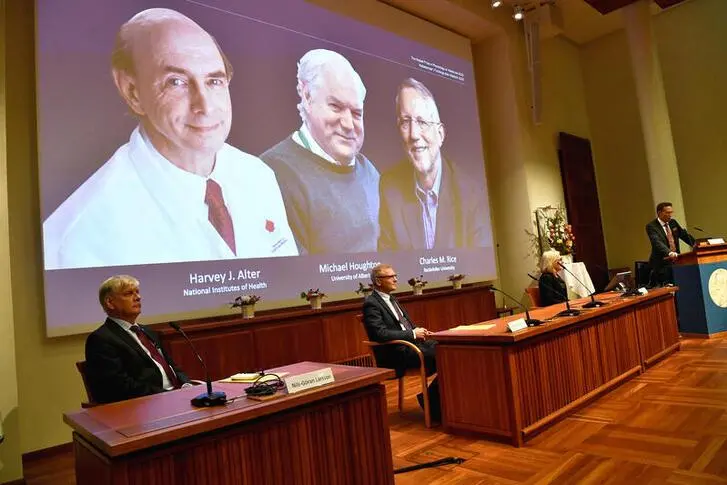
Thomas Perlmann, Secretary of the Nobel Assembly at Karolinska Institutet and of the Nobel Committee for Physiology or Medicine, announces Harvey J? Alter, Michael Houghton and Charles M? Rice as the winners of the 2020 Nobel Prize in Physiology or Medicine during a news conference at the Karolinska Institute in Stockholm, Sweden, October 5, 2020. Claudio Bresciani/TT News Agency/via REUTERS
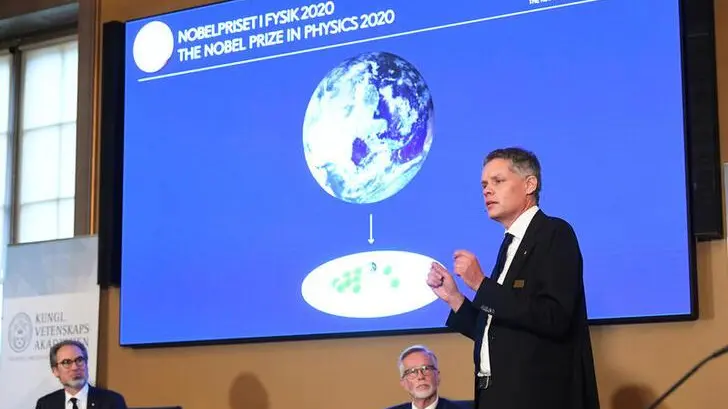
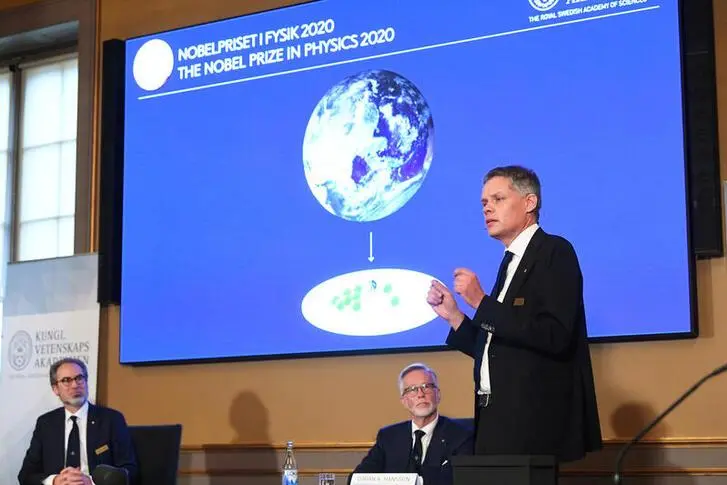
David Haviland, member of the Nobel Committee for Physics, and Goran K. Hansson, Secretary General of the Royal Swedish Academy of Sciences, listen as Ulf Danielsson, member of the Royal Swedish Academy of Sciences, speaks during an announcement of the winners of the 2020 Nobel Prize in Physics during a news conference at the Royal Swedish Academy of Sciences, in Stockholm, Sweden October 6, 2020. TT News Agency/Fredrik Sandberg via REUTERS
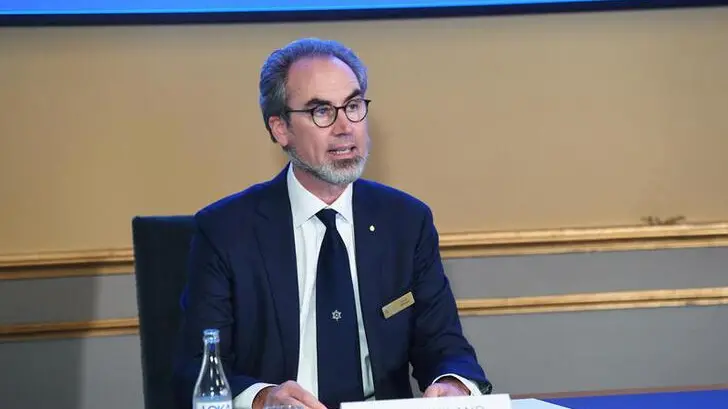
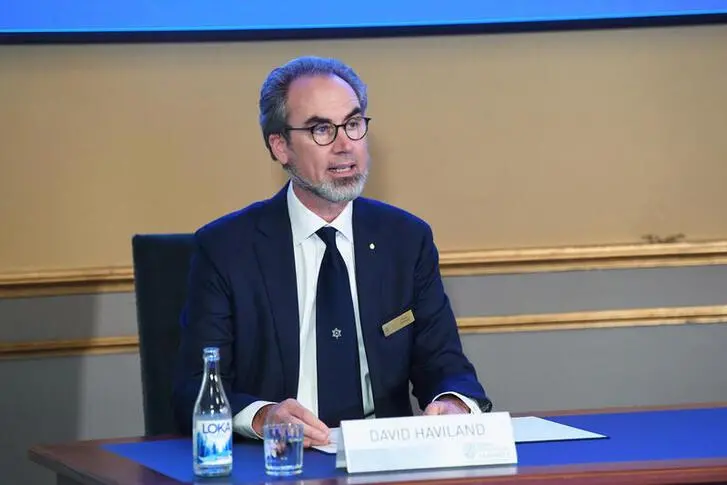
David Haviland, member of the Nobel Committee for Physics speaks during an announcement of the winners of the 2020 Nobel Prize in Physics during a news conference at the Royal Swedish Academy of Sciences, in Stockholm, Sweden October 6, 2020. TT News Agency/Fredrik Sandberg via REUTERS

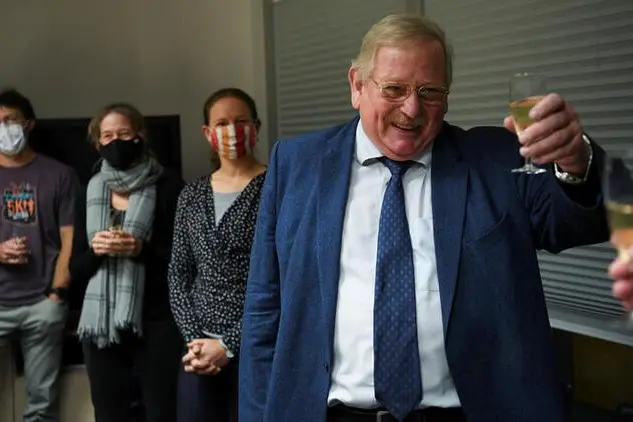
German astrophysicist Reinhard Genzel, director of the Max Planck Institute for Extraterrestrial Physics, reacts following the announcement he wins the 2020 Nobel Prize for Physics in Munich, Germany, October 6, 2020.
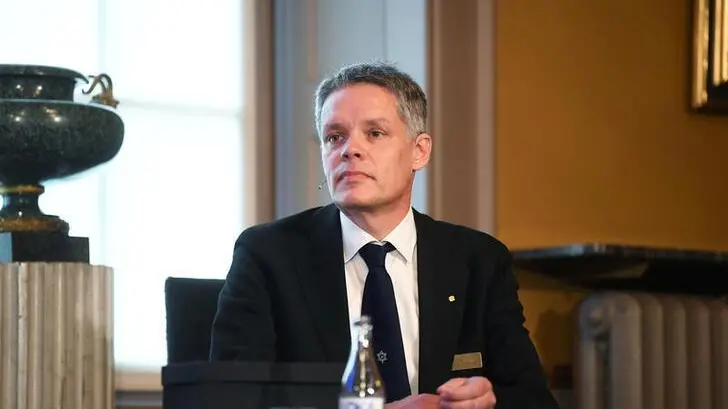
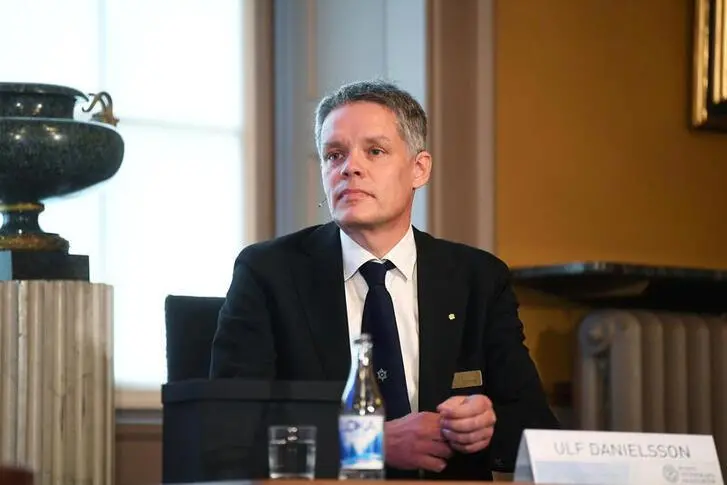
Ulf Danielsson, member of the Royal Swedish Academy of Sciences, looks on during an announcement of the winners of the 2020 Nobel Prize in Physics during a news conference at the Royal Swedish Academy of Sciences, in Stockholm, Sweden October 6, 2020. TT News Agency/Fredrik Sandberg via REUTERS
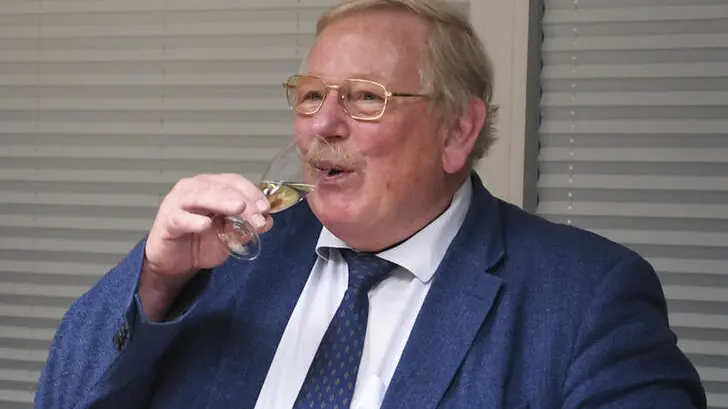
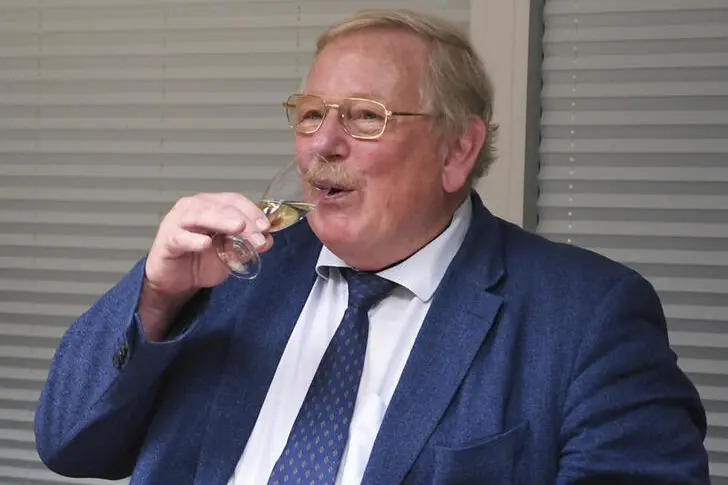
German astrophysicist Reinhard Genzel, director of the Max Planck Institute for Extraterrestrial Physics, reacts following the announcement he wins the 2020 Nobel Prize for Physics in Garching near Munich, Germany, October 6, 2020. REUTERS/Andreas Gebert
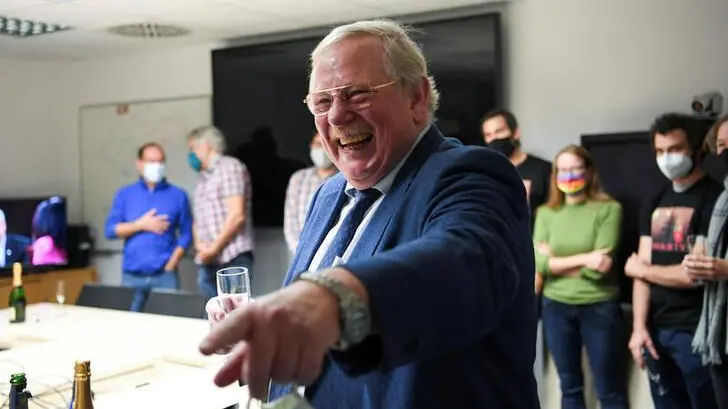
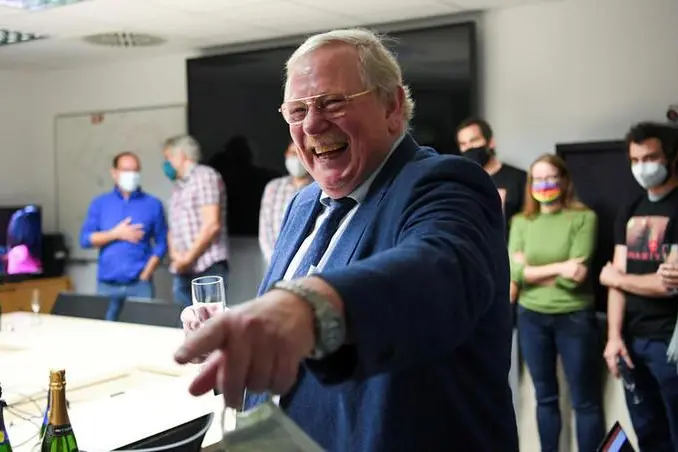
German astrophysicist Reinhard Genzel, director of the Max Planck Institute for Extraterrestrial Physics, reacts following the announcement he wins the 2020 Nobel Prize for Physics in Munich, Germany, October 6, 2020.
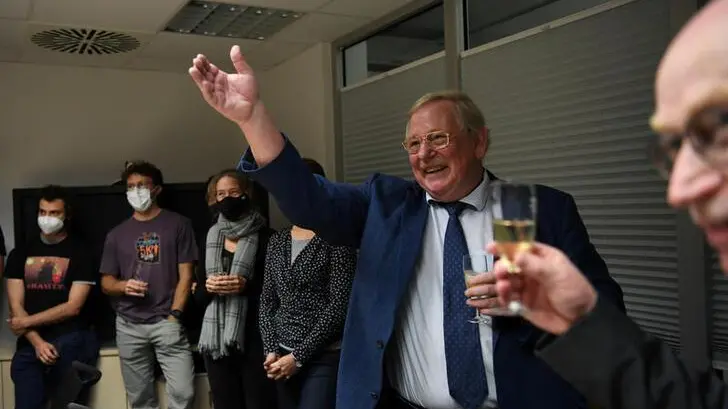

German astrophysicist Reinhard Genzel, director of the Max Planck Institute for Extraterrestrial Physics, reacts following the announcement he wins the 2020 Nobel Prize for Physics in Garching near Munich, Germany, October 6, 2020.
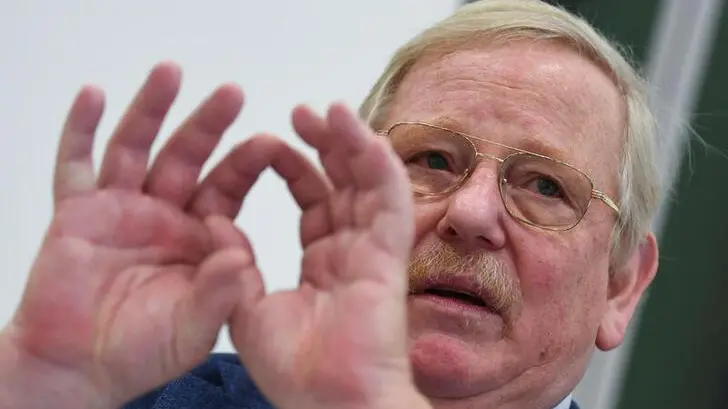
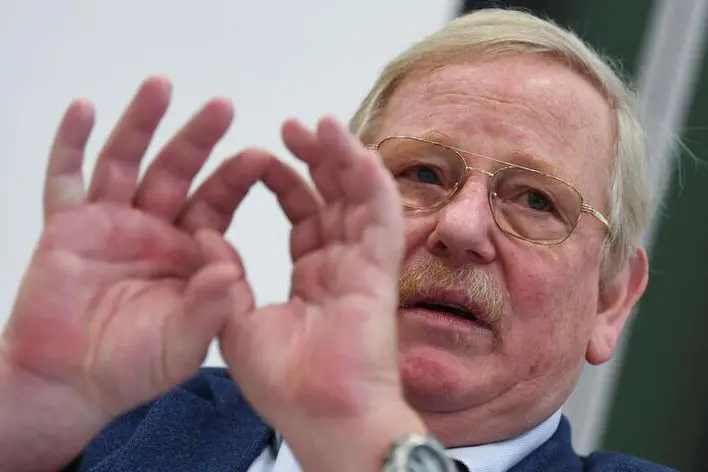
German astrophysicist Reinhard Genzel, director of the Max Planck Institute for Extraterrestrial Physics, reacts following the announcement he wins the 2020 Nobel Prize for Physics in Munich, Germany, October 6, 2020.

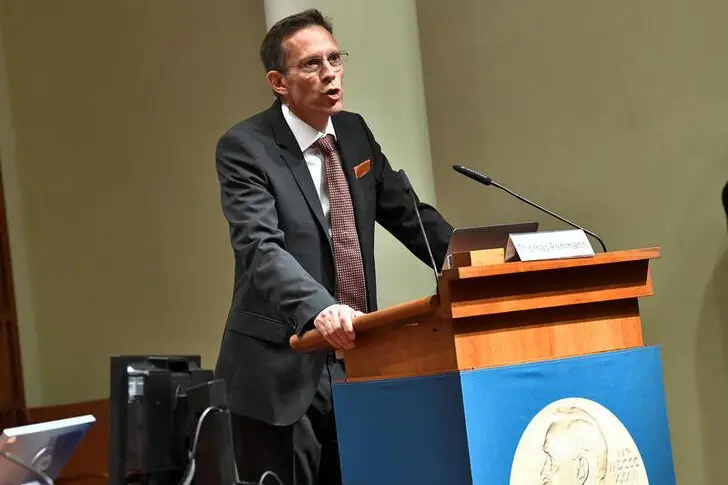
Thomas Perlmann, Secretary of the Nobel Assembly at Karolinska Institutet and of the Nobel Committee for Physiology or Medicine, announces Harvey J? Alter, Michael Houghton and Charles M? Rice as the winners of the 2020 Nobel Prize in Physiology or Medicine during a news conference at the Karolinska Institute in Stockholm, Sweden, October 5, 2020. Claudio Bresciani/TT News Agency/via REUTERS
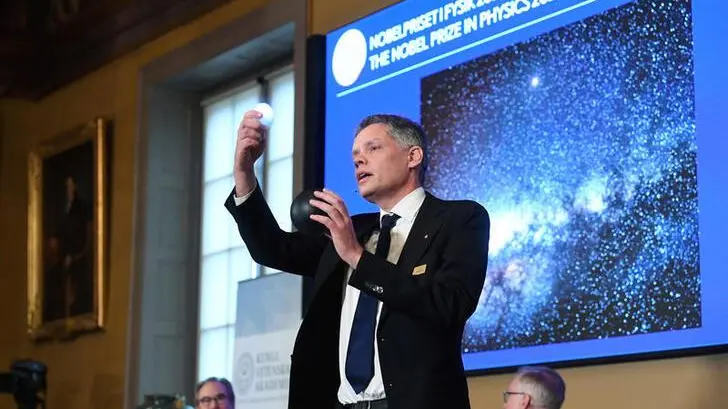
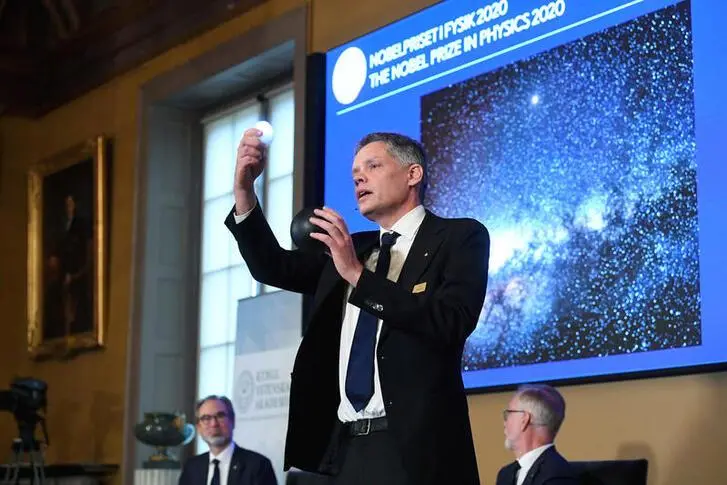
Ulf Danielsson, member of the Royal Swedish Academy of Sciences, speaks during an announcement of the winners of the 2020 Nobel Prize in Physics during a news conference at the Royal Swedish Academy of Sciences, in Stockholm, Sweden October 6, 2020. TT News Agency/Fredrik Sandberg via REUTERS
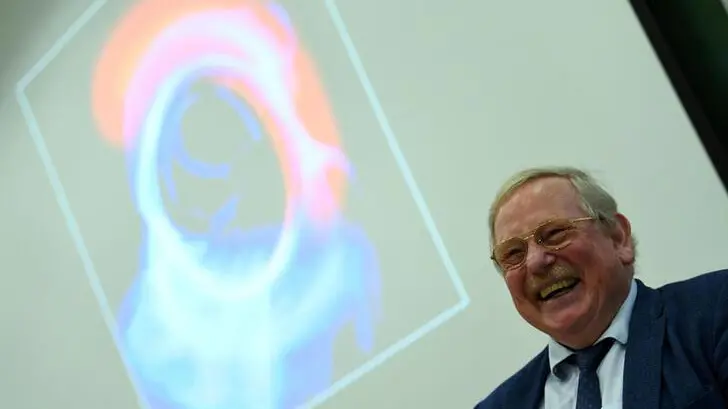
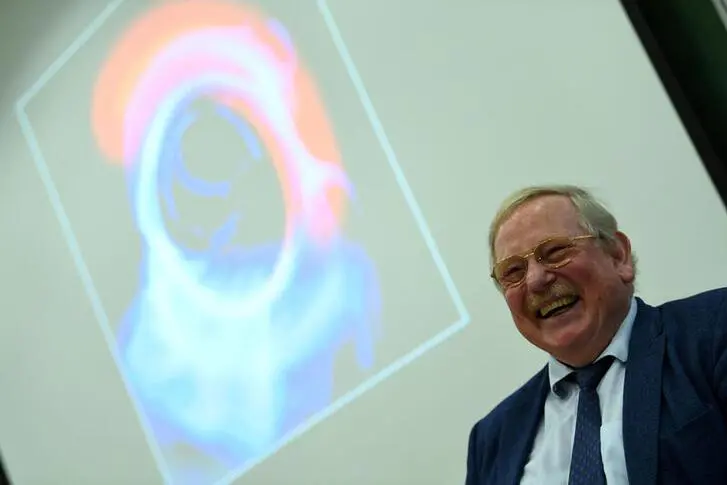
German astrophysicist Reinhard Genzel, director of the Max Planck Institute for Extraterrestrial Physics, reacts following the announcement he wins the 2020 Nobel Prize for Physics in Garching near Munich, Germany, October 6, 2020.
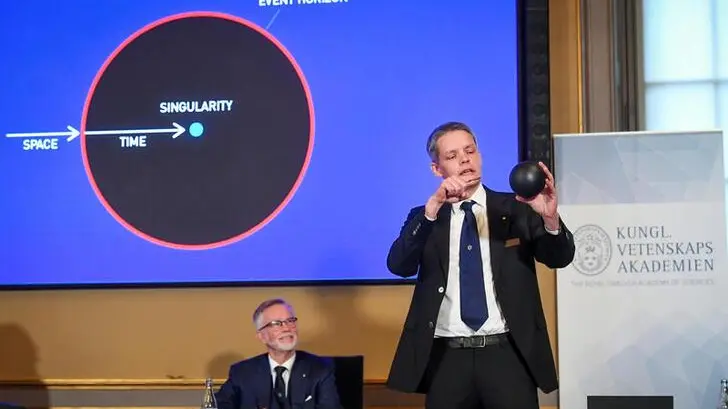
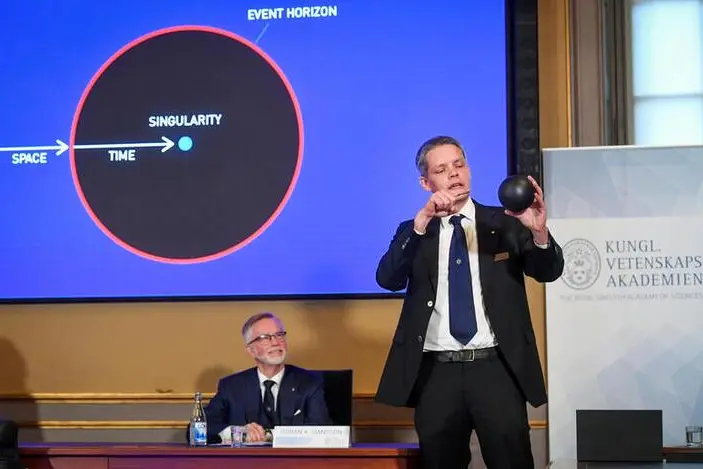
Ulf Danielsson, member of the Royal Swedish Academy of Sciences, speaks during an announcement of the winners of the 2020 Nobel Prize in Physics during a news conference at the Royal Swedish Academy of Sciences, in Stockholm, Sweden October 6, 2020. TT News Agency/Fredrik Sandberg via REUTERS
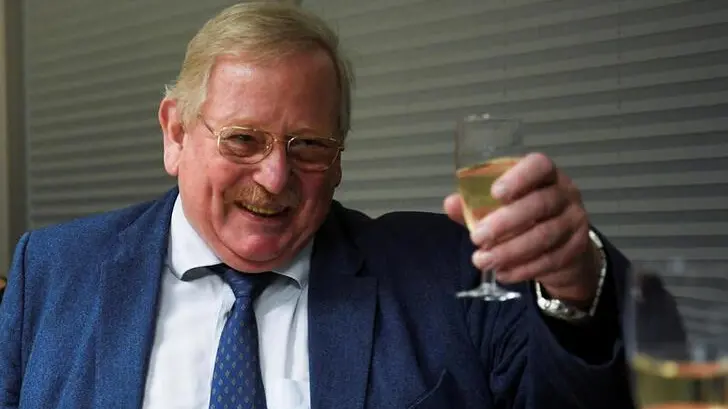

German astrophysicist Reinhard Genzel, director of the Max Planck Institute for Extraterrestrial Physics, reacts following the announcement he wins the 2020 Nobel Prize for Physics in Munich, Germany, October 6, 2020. REUTERS/Andreas Gebert
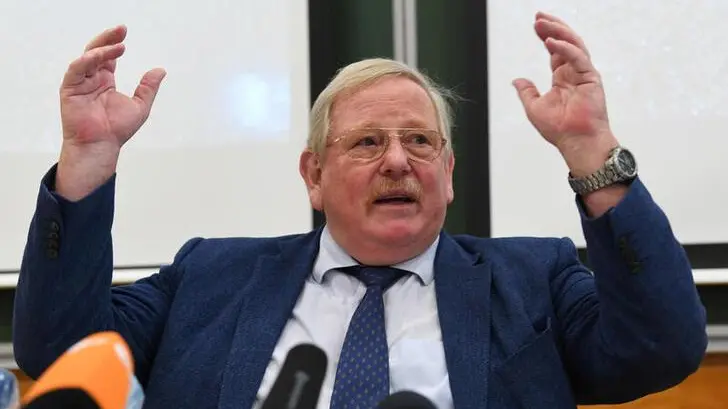
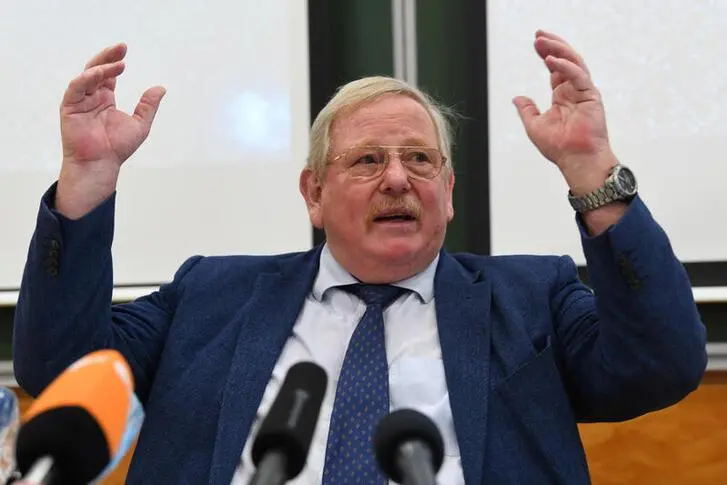
German astrophysicist Reinhard Genzel, director of the Max Planck Institute for Extraterrestrial Physics, reacts following the announcement he wins the 2020 Nobel Prize for Physics in Garching near Munich, Germany, October 6, 2020.
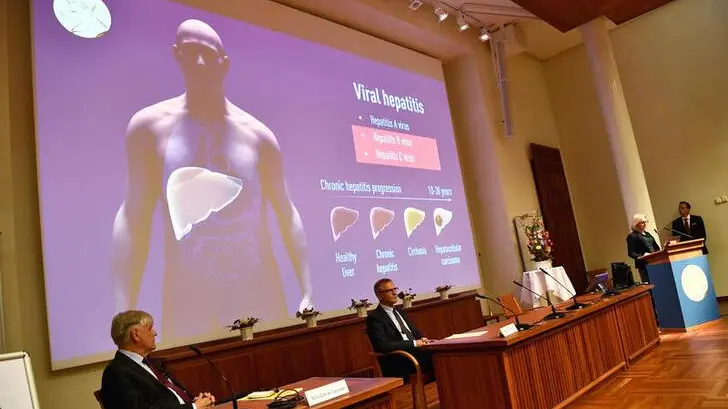
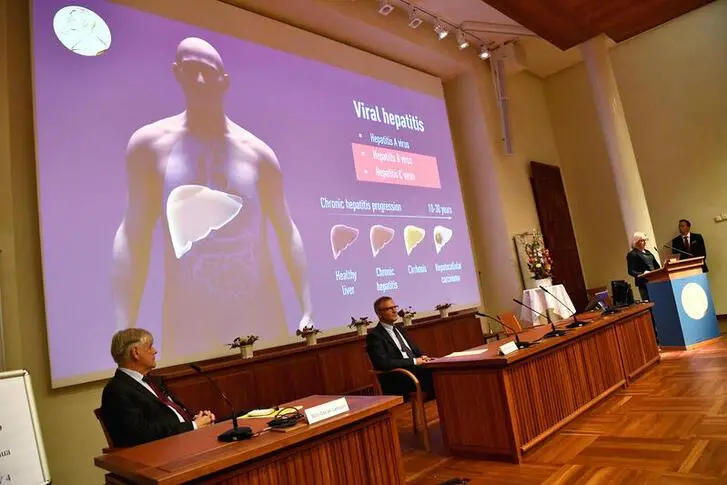
Nils-Goran Larsson, Patrik Ernfors, Gunilla Karlsson Hedestam and Thomas Perlmann (Secretary), of the Nobel Committee for Physiology or Medicine present the winners of the 2020 Nobel Prize in Physiology or Medicine Harvey J. Alter, Michael Houghton and Charles M. Rice, during a press conference at the Karolinska Institute in Stockholm, Sweden, October 5, 2020. Claudio Bresciani/TT News Agency/via REUTERS
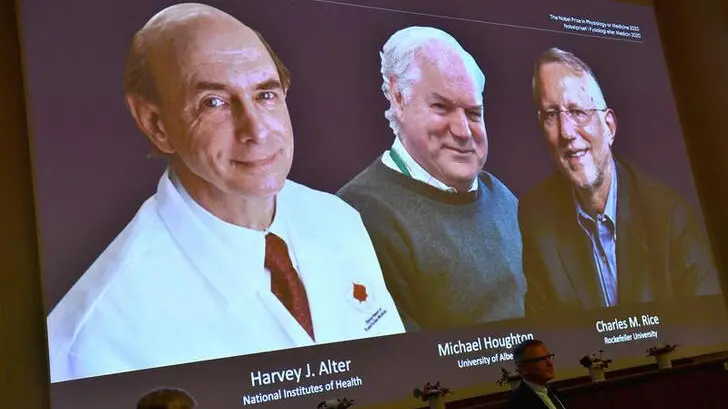
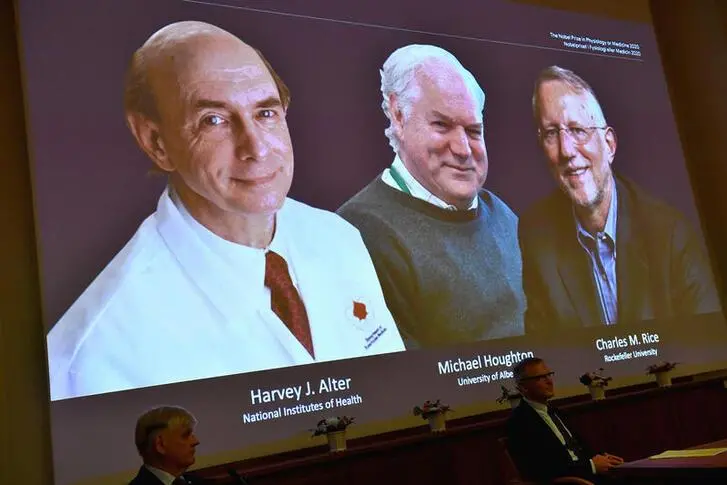
Harvey J. Alter, Michael Houghton and Charles M. Rice, are seen on a screen as the three laureates as they are announced as the winners of the 2020 Nobel Prize in Physiology or Medicine during a news conference at the Karolinska Institute in Stockholm, Sweden, October 5, 2020. Claudio Bresciani/TT News Agency/via REUTERS
2020 Nobel Prize winners