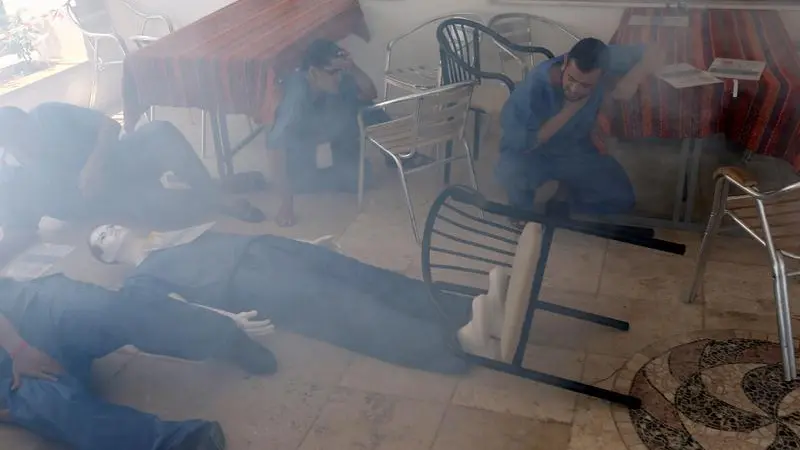
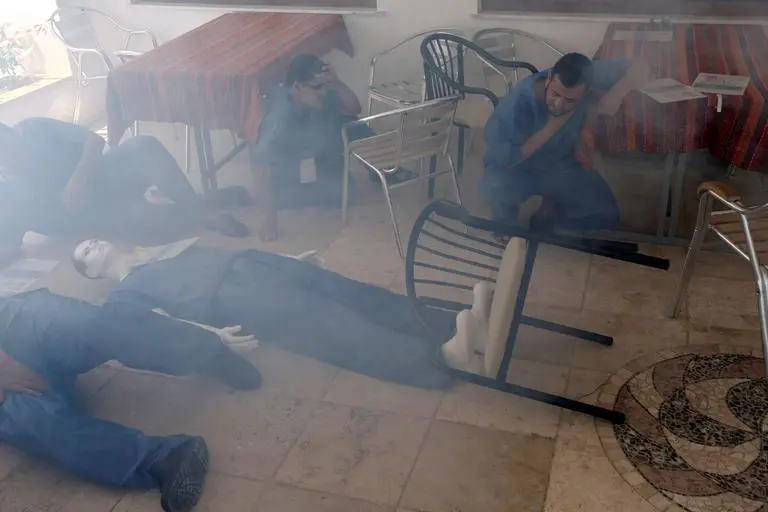
Syrian medical staff take part in a training exercise to learn how to treat victims of chemical weapons attacks, in a course organized by the World Health Organisation (WHO) in Gaziantep, Turkey, July 20, 2017. Picture taken July 20, 2017. REUTERS/Murad Sezer - RTX3CF1M
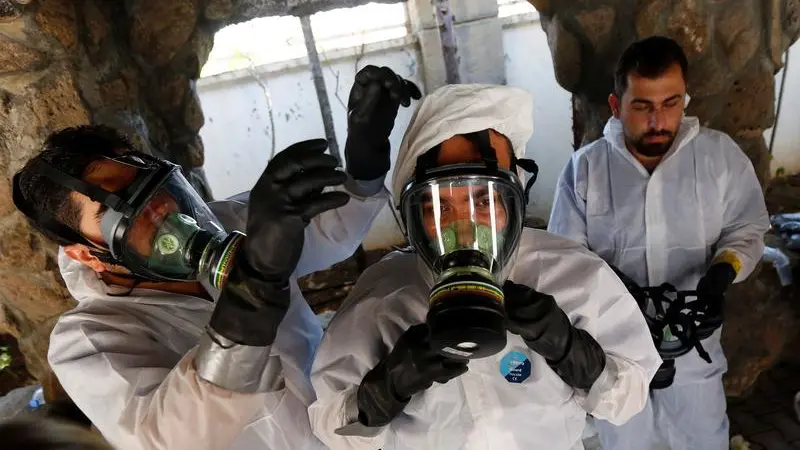
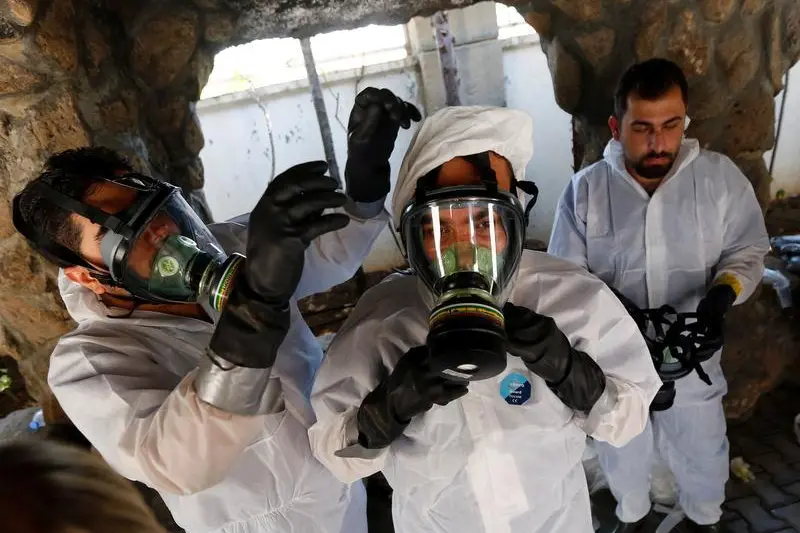
Syrian medical staff take part in a training exercise to learn how to treat victims of chemical weapons attacks, in a course organized by the World Health Organisation (WHO) in Gaziantep, Turkey, July 20, 2017. Picture taken July 20, 2017. REUTERS/Murad Sezer - RTX3CF18
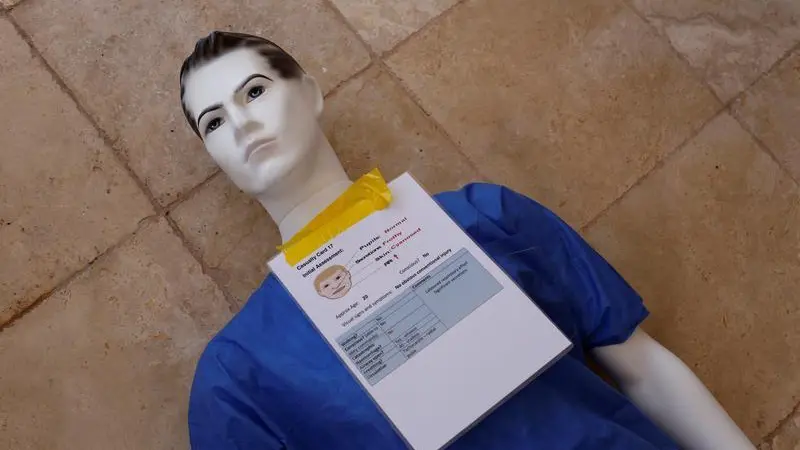
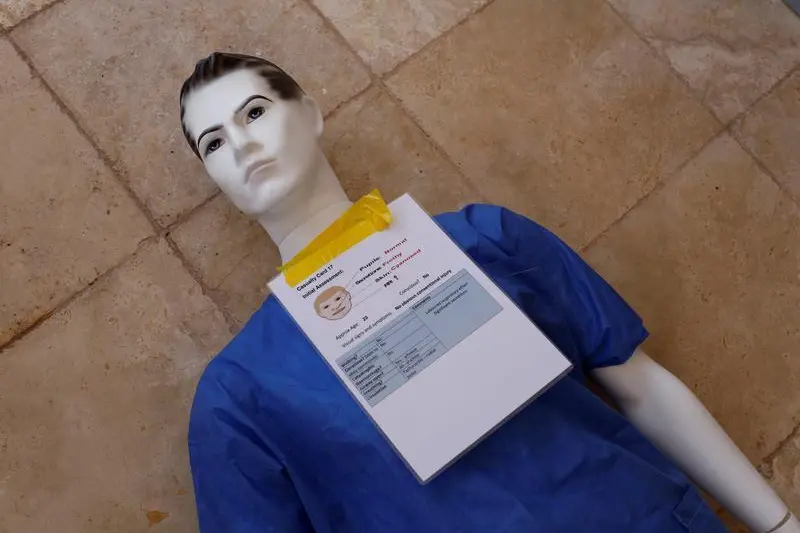
A mannequin is seen during a training exercise for Syrian medical staff to teach them how to treat victims of chemical weapons attacks, in a course organized by the World Health Organisation (WHO) in Gaziantep, Turkey, July 20, 2017. Picture taken July 20, 2017. REUTERS/Murad Sezer - RTX3CF1D
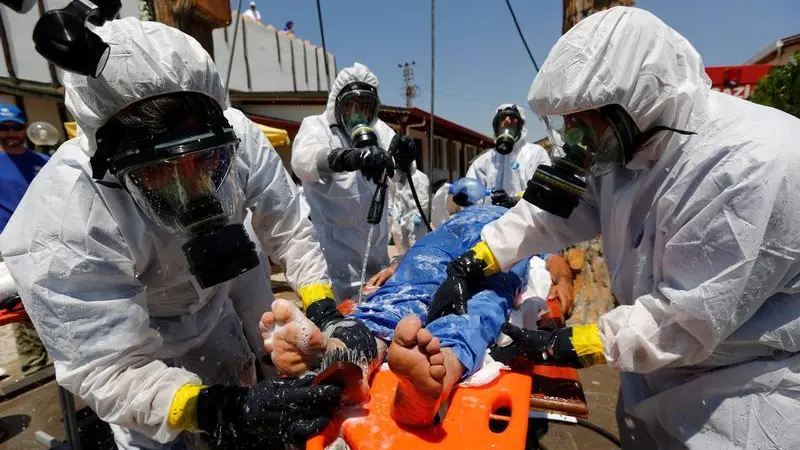
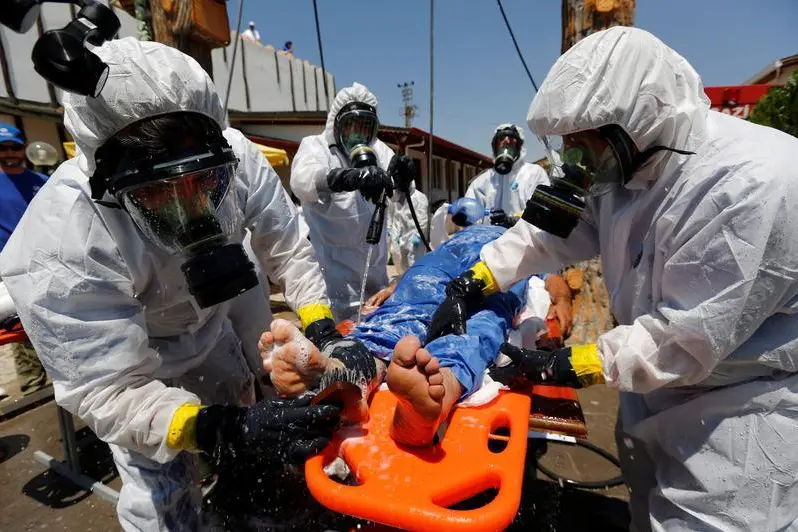
Syrian medical staff take part in a training exercise to learn how to treat victims of chemical weapons attacks, in a course organized by the World Health Organisation (WHO) in Gaziantep, Turkey, July 20, 2017. Picture taken July 20, 2017. REUTERS/Murad Sezer - RTX3CF13
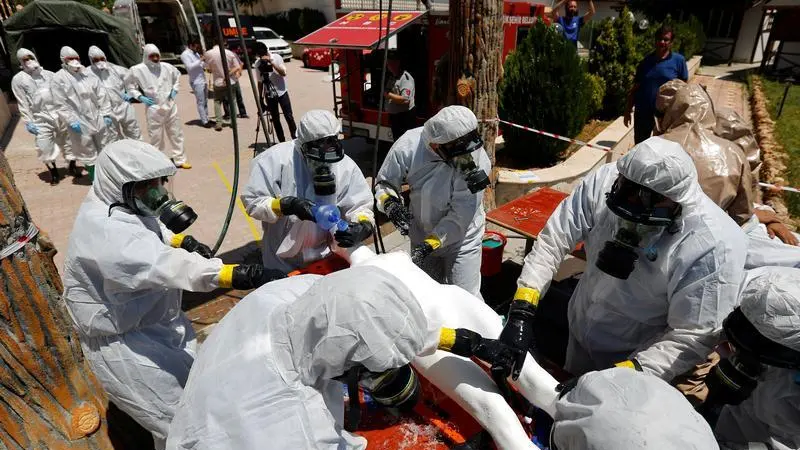
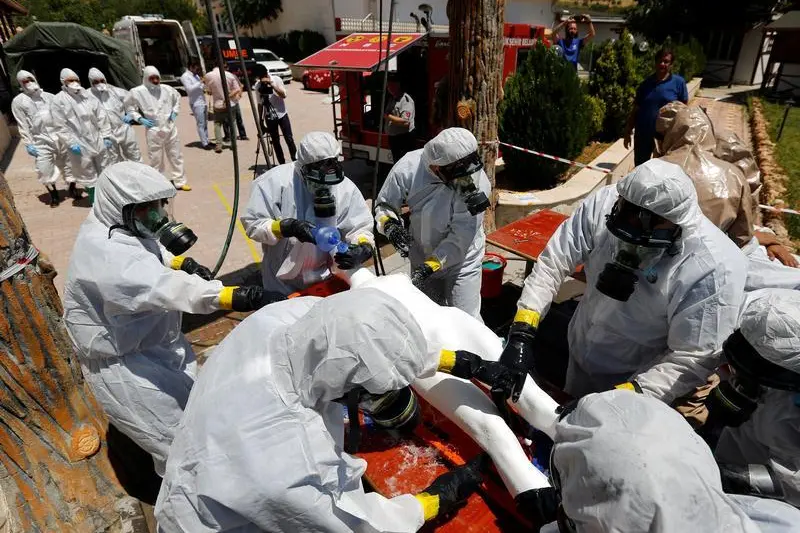
Syrian medical staff take part in a training exercise to learn how to treat victims of chemical weapons attacks, in a course organized by the World Health Organisation (WHO) in Gaziantep, Turkey, July 20, 2017. Picture taken July 20, 2017. REUTERS/Murad Sezer - RTX3CF0Y
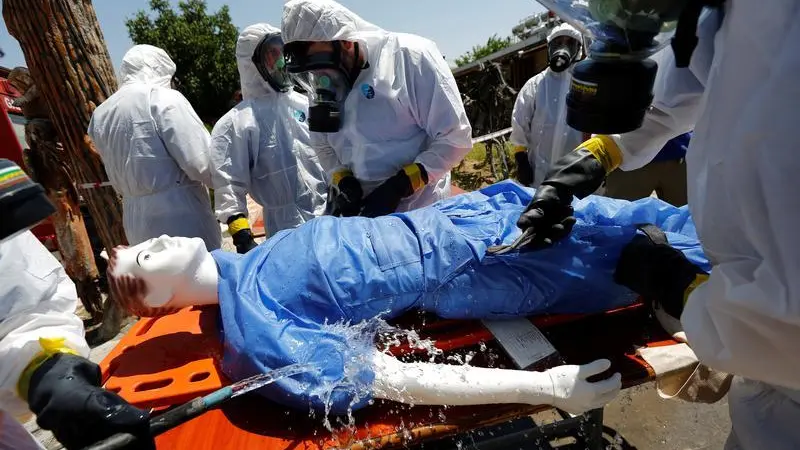
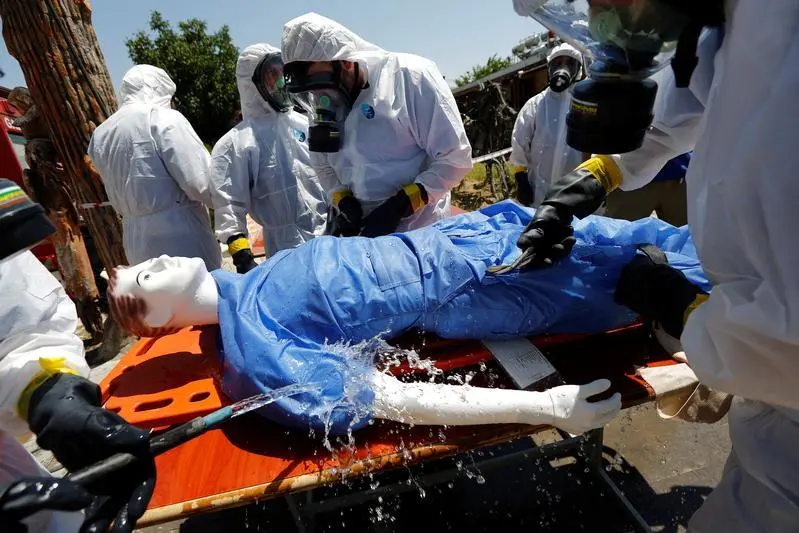
Syrian medical staff take part in a training exercise to learn how to treat victims of chemical weapons attacks, in a course organized by the World Health Organisation (WHO) in Gaziantep, Turkey, July 20, 2017. Picture taken July 20, 2017. REUTERS/Murad Sezer - RTX3CF1F
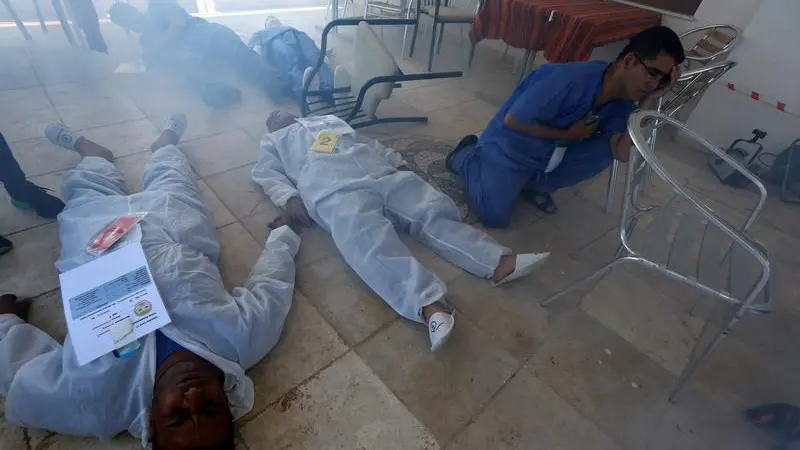
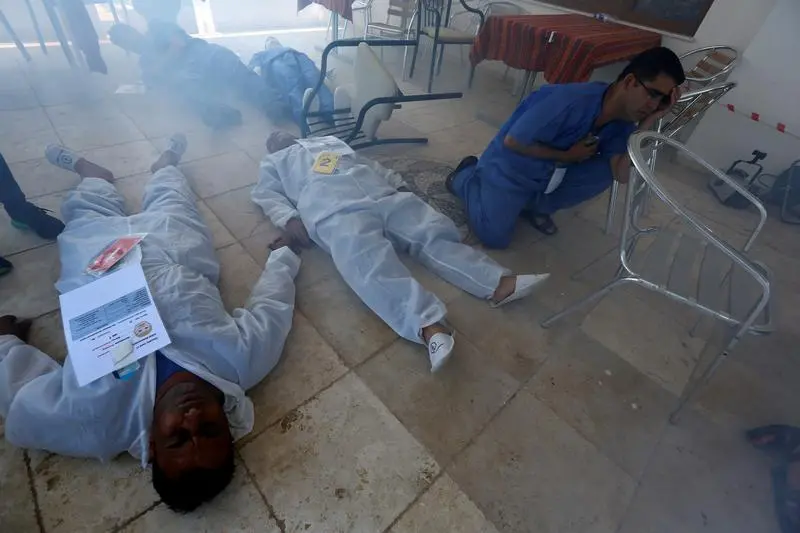
Syrian medical staff take part in a training exercise to learn how to treat victims of chemical weapons attacks, in a course organized by the World Health Organisation (WHO) in Gaziantep, Turkey, July 20, 2017. Picture taken July 20, 2017. REUTERS/Murad Sezer - RTX3CF1W
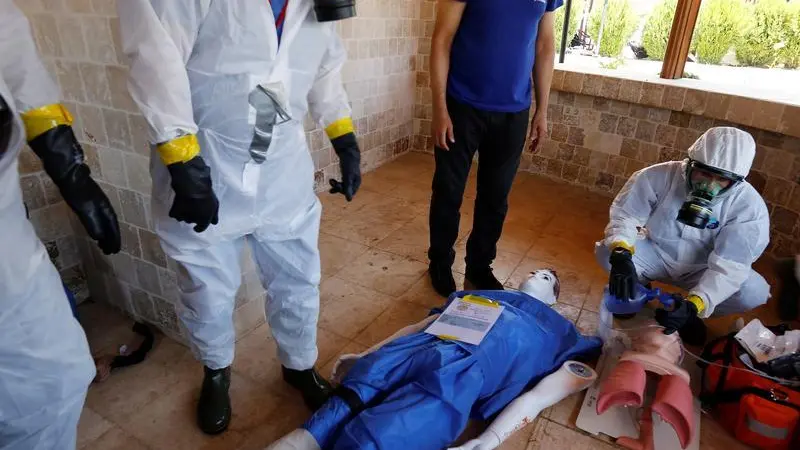
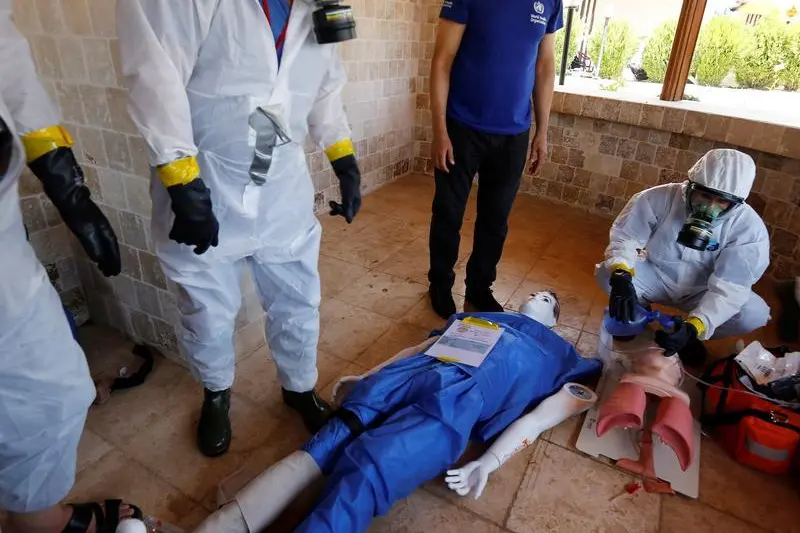
Syrian medical staff take part in a training exercise to learn how to treat victims of chemical weapons attacks, in a course organized by the World Health Organisation (WHO) in Gaziantep, Turkey, July 20, 2017. Picture taken July 20, 2017. REUTERS/Murad Sezer - RTX3CF1J
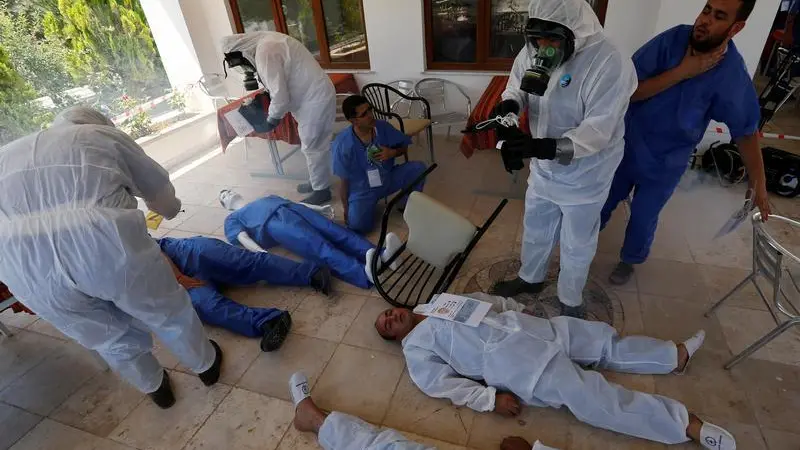
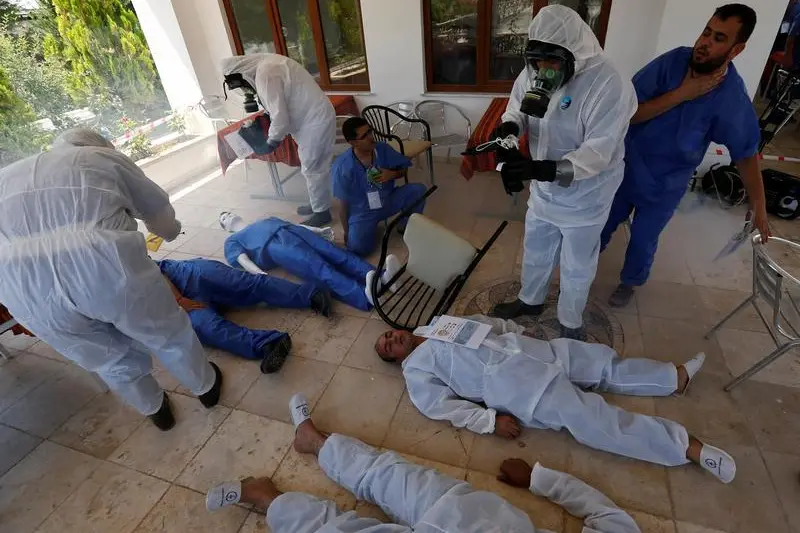
Syrian medical staff take part in a training exercise to learn how to treat victims of chemical weapons attacks, in a course organized by the World Health Organisation (WHO) in Gaziantep, Turkey, July 20, 2017. Picture taken July 20, 2017. REUTERS/Murad Sezer - RTX3CF1U
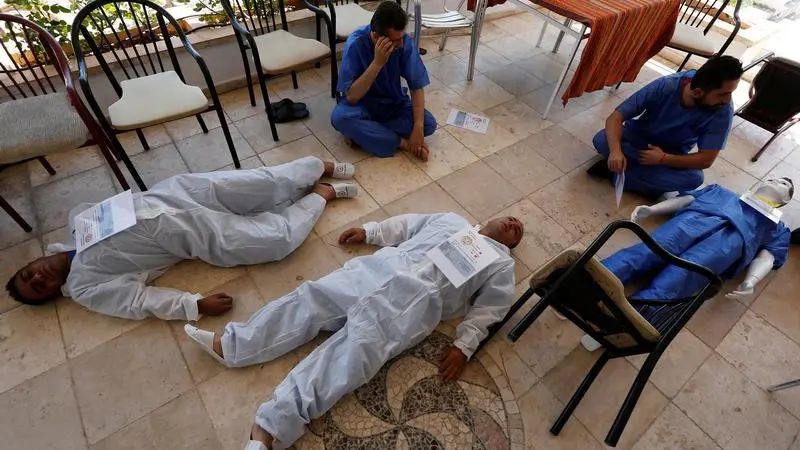
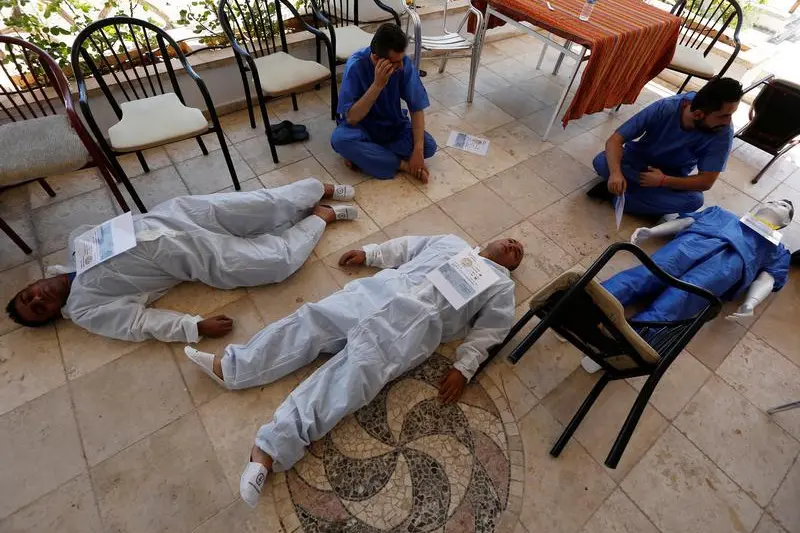
Syrian medical staff take part in a training exercise to learn how to treat victims of chemical weapons attacks, in a course organized by the World Health Organisation (WHO) in Gaziantep, Turkey, July 20, 2017. Picture taken July 20, 2017. REUTERS/Murad Sezer - RTX3CF1E
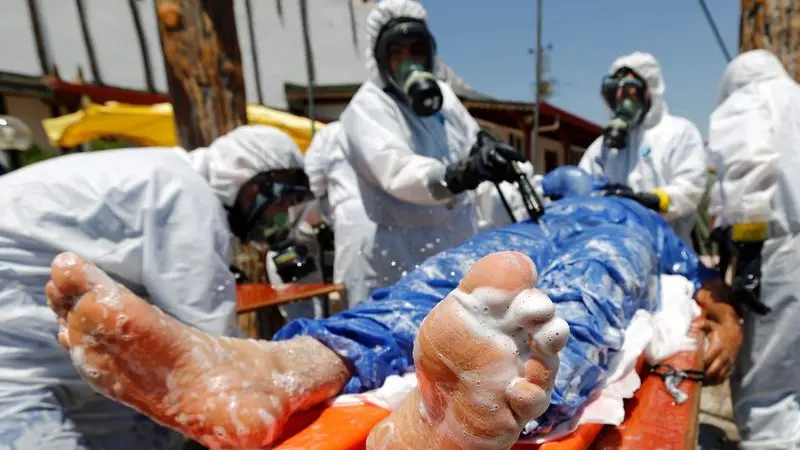
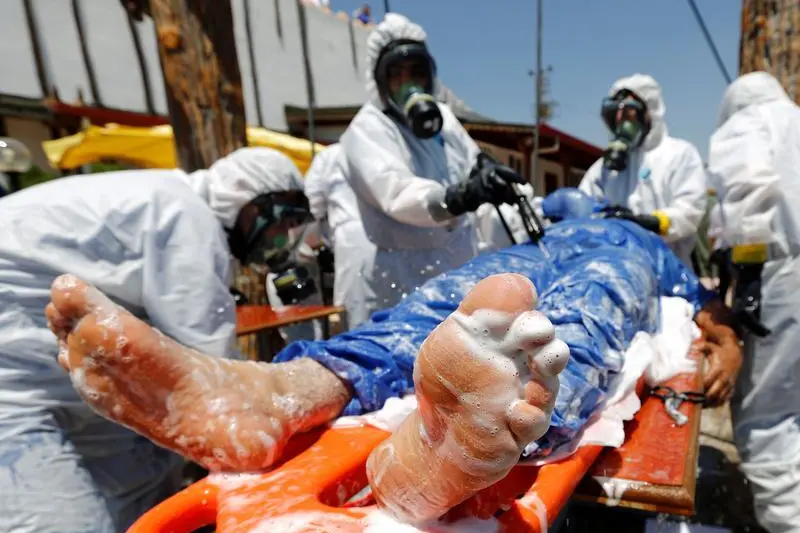
Syrian medical staff take part in a training exercise to learn how to treat victims of chemical weapons attacks, in a course organized by the World Health Organisation (WHO) in Gaziantep, Turkey, July 20, 2017. Picture taken July 20, 2017. REUTERS/Murad Sezer - RTX3CF17
Preparing for a Syrian gas attack
Syrian medical staff learn how to treat victims of chemical weapons attacks, in a course organized by the World Health Organization in Turkey.