(Adds details, analyst)
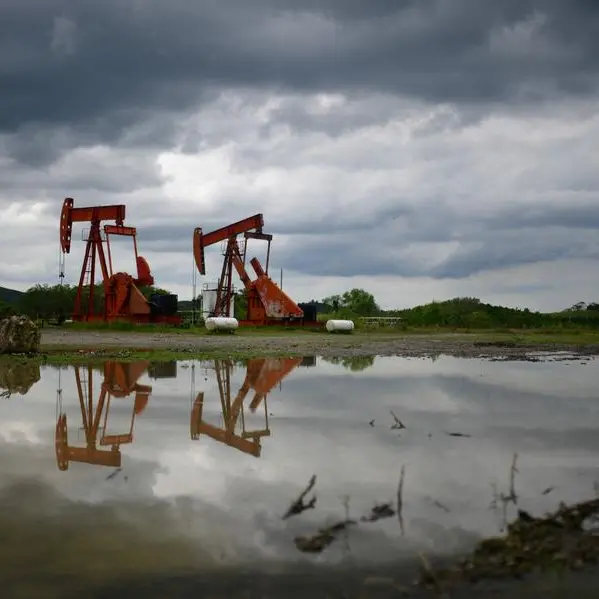
LONDON, Aug 7 (Reuters) - Iraqi oil exports through Turkey halted completely on Tuesday after an attack on a pipeline on Sunday, adding to global supply fears which have propped up oil prices.
The pipeline ships about a quarter of Iraqi oil from fields near the Iraqi city of Kirkuk to the Mediterranean port of Ceyhan and it has long been subject of attacks by Kurdistan Workers Party (PKK) in its campaign against the Turkish state.
The attacks have become less regular in recent months, giving the market hope that Iraqi exports would rise to help compensate for a plunge in Iranian shipments because of Western sanctions.
"The increase in sabotage activity highlights instability in the region and, together with growing sectarian tensions in Iraq, is beginning to cast doubts on Iraq's ambitious plan to boost production," said David Wech from JBC Energy consultancy.
More than 40,000 people have died in the PKK militants' 28-year fight for more autonomy for Turkey's estimated 14 million ethnic Kurds.
The latest blast occurred in Mardin province, north of Turkey's border with Syria, and decreased flows as of Sunday although Iraqi oil officials have said some loadings still continued from onshore tanks in Ceyhan.
However, a Turkish shipping source said on Tuesday exports were now fully suspended.
"Vessels are now waiting because of a lack of crude oil in the shore tanks," the source said.
On Monday, Turkish energy officials said repairs on the pipeline could take up to 10 days.
The Kirkuk-Ceyhan pipeline usually pumps some 400,000 barrels per day but flows have halved after Iraq's semi-autonomous region of Kurdistan suspended deliveries due to a payment dispute with Baghdad.
Kurdistan has promised to resume exports this month if Baghdad pays the fees.
"In the more short term, the cessation of oil flows comes at a bad time for Europe as the region is already struggling to find medium-sour alternatives to embargoed Iranian volumes," said Wech.
(Reporting by Dmitry Zhdannikov, editing by William Hardy)
((Dmitri.Zhdannikov@thomsonreuters.com))
Keywords: IRAQ OIL/