The Syrian economy is decimated. While data is hard to come by given the chaos in the country, the Syrian prime minister admitted the cost of total damages to the economy is SYP 2,000 billion (USD 2.9 billion) - which is equivalent to 55% of the country's gross domestic product in 2010.
Syria's capital stock is a third of its 2010 level, according to the United Nations Department of Economic and Social Affairs (DESA).
"Despite the Government's effort to increase employment in the public sector, unemployment increased significantly from an annual average rate of 8.6% in 2010 to 14.9% in 2011 and the situation worsened significantly in 2012 as a growing number of workers became unemployed, underemployed, were deterred from reporting to work, were displaced domestically or became political refugees abroad," said DESA in a report.
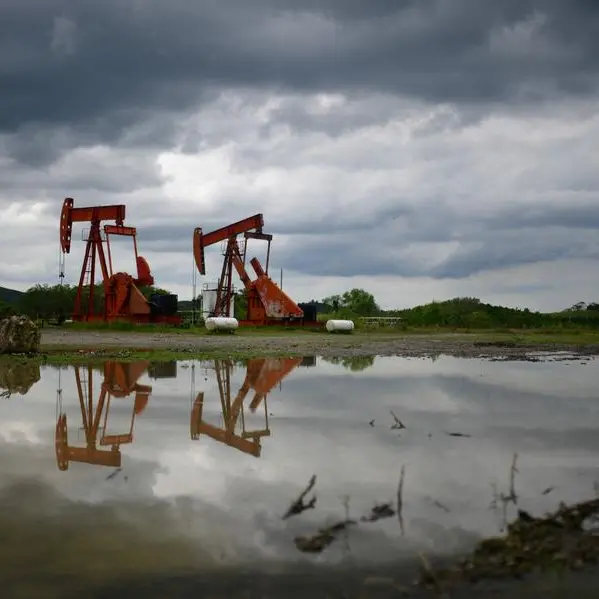
Crude production is down 50% and the country has lost USD4 billion in revenues on account of economic sanctions and oil embargo imposed on the country.
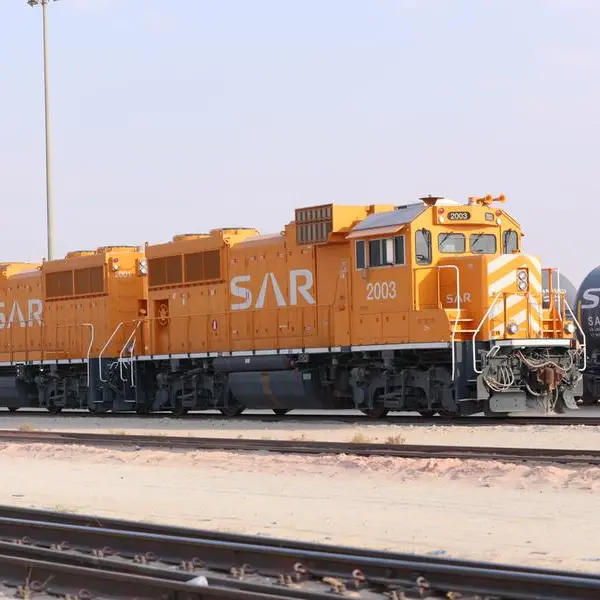
"Additionally, domestic energy infrastructure - such as railway networks, oil pipelines, and refineries - is frequently the target of attacks, leaving many areas of the country without access to vital petroleum products," the US Department of Energy said.
"According to the Syrian government, damage to the country's energy infrastructure totaled approximately USD 220 million through the end of October 2012. Of that total, the electricity sector accounts for the majority of damage (USD 146 million), while damage to oil infrastructure amounted to more than USD 70 million."
Syria's oil dreams crumble
The bloody civil war, with ever more deadly tactics employed by the Assad regime, has derailed Syria's ambitions of becoming an important energy transit country to its neighbors, the Mediterranean and Europe.
"Syria's attempts to develop international oil, natural gas, and electricity networks will falter until there is a cessation of hostilities, and recent pullouts by international partners further reduce the probability of success," said the US Department Energy. "Damage to existing infrastructure already threatens the viability of such projects, and the sanctions on Syria's energy sector make progress unlikely in the short term."
Assad's continued repression and military onslaught against his people has been characterized by the United Nation as "dramatic beyond description", as more than a million Syrian refugees flee the country - much higher than the UN's earlier estimates.
"With a million people in flight, millions more displaced internally, and thousands of people continuing to cross the border every day, Syria is spiralling towards full-scale disaster," said UN high commissioner for refugees António Guterres. "We are doing everything we can to help, but the international humanitarian response capacity is dangerously stretched. This tragedy has to be stopped."
Regional spillover
Syria is not the only country suffering from Assad's obstinacy. Jordan, Iraq, Lebanon - hardly the bastions of security at the best of times - are also suffering from perceived risk perceptions and security concerns. Foreign direct investment and tourism has shrunk and demand for foreign currency surges. Jordan increased its interest rate to prop up the Jordanian dinar while Iraqi currency has seen its value against the American greenback fall.
The refugee problem is impacting neighboring countries and their economies. Lebanon's population has increased by as much as 10% according to the UN, while Jordan's basic health services including water and education services are overworked.
"Turkey has spent over USD 600 million setting up 17 refugee camps, with more under construction. Iraq, juggling its own crisis with more than one million Iraqis internally displaced, has received over one hundred thousand Syrian refugees in the past year," said the United Nations. "These countries should not only be recognized for their unstinting commitment to keeping their borders open for Syrian refugees, they should be massively supported as well."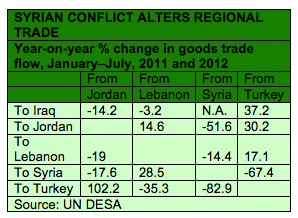
"The Syrian crisis further affected intraregional trade," DESA stated. "Bilateral trade flows between the Syrian Arab Republic and neighboring countries decreased substantially in the first half of 2012, with the exception of Lebanon through which a rising share of Syrian imports transit to Damascus and Southern regions."
The transit of goods through Syrian territory almost came to a halt, diverting to alternate routes, and new trading partnerships and networks are being formed.
Turkey has benefitted the most from the shifts in trade flows, while Iraqi exports to Lebanon and Turkey expanded as well, DESA data shows. Jordan suffered the most due to the security conditions along its Syrian border, notes DESA.
Jordan and Lebanon are especially vulnerable and their current-account deficits has risen as high commodity prices coupled with lower economic growth and a decline in tourism has weakened the economy.
"Foreign reserves dropped by 37% in Jordan over the first half of 2012 and reserve accumulation stalled in Lebanon," DESA said.
The IMF estimates a 2% GDP growth for the Lebanese economy in 2012.
"While the wait-and-see attitude governing investors amidst uncertainties continues to delay major investment decisions, consumption managed to report a 'relative' resilience, partly supported by the favorable incoming of Lebanese expatriates and the spending of Syrian refugees," notes Bank Audi.
Meanwhile, Jordan is expected to fare better with a 2.8% GDP growth in 2012, but the impact of the Syrian conflict on the economy is inescapable.
"The conflict in Syria and related large refugee inflows; high energy and food prices; and lower gas inflows from Egypt, have put pressures on Jordan's external and fiscal positions," said IMF's deputy managing director Nemat Shafik during a March 6 visit to Amman.
Both Lebanon and Jordan are especially vulnerable to the Syrian conflict, and will need greater economic and political support from the global community to help them manage the tide of Syrian refugees without weakening their own economies further.
© alifarabia.com 2013