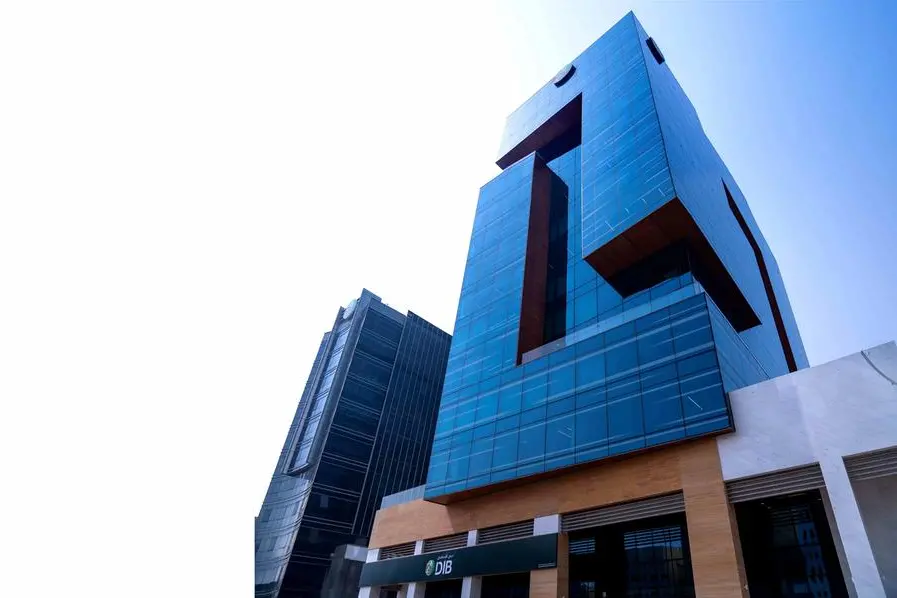
As Dubai Islamic Bank issues the region's second Real Estate Investment Trust (Reit), KAREN REMO-LISTANA explores the benefits and risks of the nascent investment tool.
Pre-2009, buying a property through leverage and flipping it to another for quick returns was common-place. But as the global financial wheels slowed, people stopped buying and investors suddenly learned that frenzied growth was a risky substitute for a well-strategised business plan - something that real estate investment trusts, or Reits, can offer.
Unlike property funds, which also invest in property and property-related assets, Reits are more attractive because the majority of assets under management are income-producing. There are also tighter restrictions on borrowing and listing is mandatory.
In DIFC, for example, 80 per cent of income must be distributed each year and borrowing must not exceed 70 per cent of the fund's NAV.
"Because it is listed, a Reit offers more protection and liquidity," says Lynette Brown, partner, Al Tamimi & Company. "Most of the assets are already income generating and only up to 30 per cent of the fund can be invested in properties under development. So it's not a speculative investment.
"However, they did not take off earlier because there was no need for it," she adds. "Other investments offer higher returns. Now people are more cautious and they want to spread their risks."
Olivier Laroche, senior manager, A.T. Kearney Middle East, says returns range from five to 10 per cent - a yield preferred by long-term institutional investors, such as pension funds. "In emerging markets, usually private real estate funds come first, targeting institutional investors, and once the market matures the public Reit market grows," he explains.
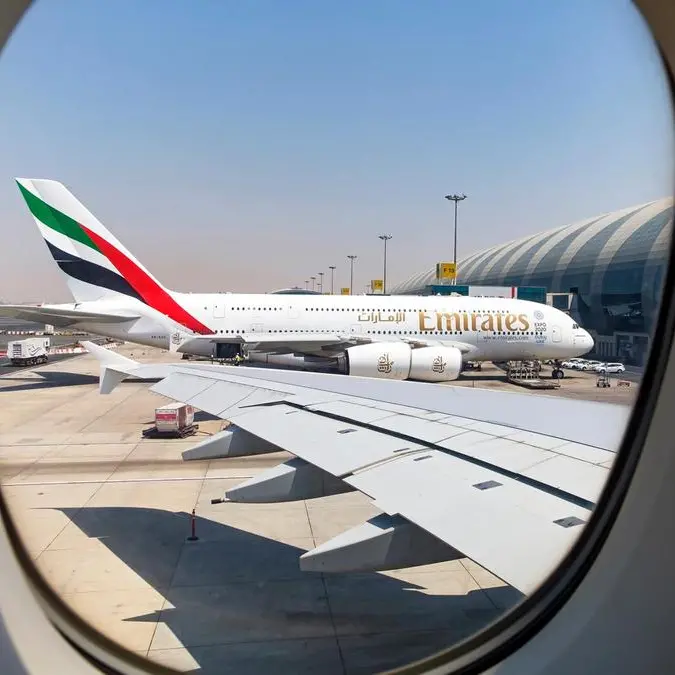
Despite its attractiveness, there are only two known Reits issued in this region - the Emirates Reit, launched by Dubai Islamic bank and Eiffel Management, set to be listed this year on Nasdaq Dubai; and the Arabian Real Estate Investment Trust (AREIT), established by HSBC & Daman in 2006.
Reits are usually associated with tax efficiency and because there is no or limited tax in this region, there was not much incentive to issue one, Andrew Charlesworth, head of capital markets, Jones Lang LaSalle MENA, said.
"The GCC markets are still going through a maturing phase so one challenge is getting the consumers to understand the benefits of a Reit as an alternative investment class," he says. "Reits will definitely be an important dimension to the local markets at some point. The opportunity to indirectly own real estate through a liquid investment vehicle will be an attractive option."
The concept of Reit is so nascent in the region that according to Laroche, only Dubai has a Reit regulation and even this needs more ironing.
"Dubai has had the regulation in place since 2006, but the Reit market has been affected by limited sales of distressed assets, as potential buyers and sellers price points don't match, while complex regional regulatory issues and ownership laws act as a barrier to active portfolio management," Laroche says.
In addition, Brown says the leveraging ratio of 70 per cent is "very low" compared to gross asset value. Similarly, the rule that Reits can only invest up to only 30 per cent in property under development is "extremely low".
With a swathe of unfinished projects in Dubai, the least it needs is a regulation that constraints funds to help these developments see their completion, analysts agree.
And there's the issue of freehold. Because a Reit is deemed a foreign entity, it cannot own freehold titles in non-designated areas. There is a possibility that once the Reit is listed, it will have similar characteristics as a public joint stock company and Dubai Land Department could agree to offer an exemption. But there are still no formal agreements.
A favourable legislation will be helpful but, crucially, the management teams must be able to deliver results and provide the transparency required by international investors. Given the ongoing uncertainty surrounding the property market, this won't be easy.
© Gulf Business 2011