Mineral sector set to grow
MUSCAT -- A number of geological surveys, maps and pre-feasibility studies completed in recent times by the Ministry of Commerce and Industry indicate huge untapped opportunities exist in the Sultanate's metallic and non-metallic sector.
This was stated by Salim bin Omar al Ibrahim, Director-General of Minerals at the Ministry of Commerce and Industry, here yesterday.
He was speaking at a workshop on "Mining Studies and Opportunities for Investment in Mineral Sector" held under the auspices of Ahmed bin Hassan al Dheeb, Under-Secretary of the Ministry of Commerce and Industry.
Salim said the government has envisaged an outlay of RO 45 million for the minerals sector. In addition, the government would continue to invest in this vital sector as also seeks to maximise the role of the private sector, work for its integration with the world market and develop rules and regulations so that it is easy for investors to explore and tap many opportunities in the metallic and non-metallic sector in the country.
Speaking to the Observer, Al Dheeb said that as per the new policy, the ministry has stopped giving any new permits for export of raw minerals. New licenses are given only for the export value added minerals.
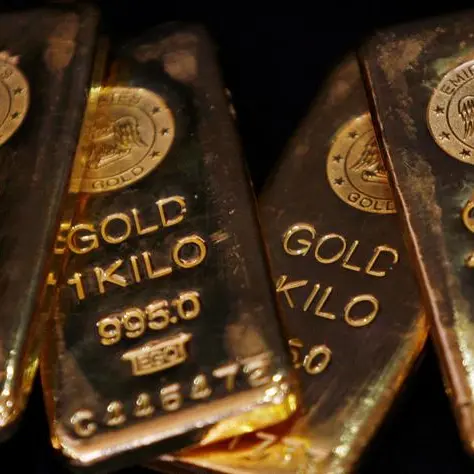
Dr Thomas Krassmann, head of a German team, has recently put together an "Inventory of Metallic Minerals in Oman, which consists of 40 commercially available minerals such as chromite, copper, gold, silver, laterite, nickel, manganese and platinum.
Dr Krassmann said while chromite, copper, laterite and manganese hold out high potential, gold and silver are in medium potential category.
In his presentation on "Industrial Minerals and Rocks" J F Rasquet said Oman holds out innumerable investment opportunities in this sector.
Oman is blessed with a vast wealth of industrial rocks and minerals, including aggregate, kaolin, slica sand, gypsum, dolomite, salt and carbonate. For example, marble occurs at 92 sites in Oman. Aggregate deposits in Burami and Mahdha alone are estimated at about 11 billion tonnes.
Similarly, Oman holds about 950 million tonnes of gypsum reserves. Gypsum is a much sought-after mineral for a variety of applications such as cement, plaster, board and agriculture. Oman also boasts rook wool used for thermal insulation.
Studies carried out in Shuwaymiyah area confirm that more than 165 million tonnes of gypsum is mineable there. Dolomite deposits are estimated at more than 500 million tonnes.
Used as an ore of magnesium, magnesia production, as refractories, filler in plastics and in glass manufacture, dolomite deposits in Shuwaymiyah coast are estimated at 84 million tonnes.
© Oman Daily Observer 2013