Al-Qurain Commercial City is ready for the official opening of its activities, considering the enormous response from various investors during the introductory phase, General Manager of the City Nasser Abdul-Rahman was recently quoted as saying. Affirming the City has succeeded in attracting a large number of major local, regional and international companies in various fields, Abdul-Rahman said this was possible through the diverse activities and facilities offered to commercial, service and vocational sectors. He confirmed the City is the first vocational, service and commercial center that can attract such a large quantity of dynamic young investors. Abdul-Rahman pointed out the huge facilities provided to assist various sectors, ensure free trade and expansion of their present activities, are major factors that are contributing to the City's success. He stated some developments took place recently to fast-track the official opening and increased the level of work on the first phase, confirming some big companies, as well as service and commercial centers, have completed the necessary preparations for take off. "The City also attracted several banks like the Gulf Bank, International Bank of Kuwait and Burgan Bank among others, within a short period," he revealed.
Besides the banks, Abdul-Rahman announced the City has also attracted leading electronic companies like Al-Babtain Electronics Company, LG and many others. The City boasts of reputable shopping malls such as Lulu Hypermarket, which is planning to open the largest mall in the Middle East, Ramez Supermarket, and Ittihad Trading Company.
Services offered in the City include insurance companies like Gulf Insurance, Kuwait Insurance, Ain Takafuli Insurance, Ahlea Insurance and Warba Insurance, just to mention a few. In the communications sector, Future Communications Company, Barrak International Center Company, Extreme Communications, Kuwait Tele Scene, Jamal, Telephone 2000, Red Line and Orbit Phone, are also available to provide services. Money exchange companies are not left out of the action as Al-Muzaini and UAE Exchange companies have taken the lead.
The City also attracted several catering service companies and restaurants like Starbucks, Gloria Jeans Café, Great Stick, Naif Chicken Restaurant, Burger King, Shrimpy, DC Fried Chicken, Zaid Al-Zad Restaurant, Sahran, Babek, Noodles, Sara Cake, Da'wat, Zafran, in addition to many other popular local and international names.
Companies in the perfume sector that have secured spaces in the City include Abdul-Samad Al-Qarshi Company and Al-Marjah Perfume (Royal Fezaa and Royal Diwan). Other interesting investors that have prepared their structures in the City are Al-Kout Newspaper, American Mattress Guide Company, Hamed Al-Osaimi Sons Medical Equipment Company, Dakhil Al-Jassar, Al-Manar Trading and Contracting Company, Hayek Furniture, Modern, UC Consultancy Company and International Sports Equipment Company. Numerous other notable companies, especially in the car imports sector, have also obtained spaces that will be developed soon to offer various services.
Stressing the City recognizes the Kuwaiti culture and norms, Abdul-Rahman said a particular area for women has been allocated, including sections for gold, perfumes, accessories, watches, cosmetics, garments, veils, tailoring, workshops, gifts and hair salons. The City has sections for exterior and interior decorations where companies dealing in furniture, carpets and others are located, in addition to complexes for housing decoration materials, building materials, electrical appliances, aluminum, sewage materials, household items and telephone accessories.
Consumers will also have access to wholesale centers for vegetables, fruits, meat, fish, confectioneries and dates. The City will also include other malls in which customers will find offices for engineering, real estate, travel agencies, law firms and warehousing. The interests of male consumers were also taken into consideration as there are sections for men's wear, tailors, sports wear, fishing and hunting materials.
Abdul-Rahman added the City can accommodate over 100 activities in trade, vocation, manufacturing, service, banking, finance, insurance, mobile phones, garments, medical equipment, spare parts, car accessories, consumer supermarkets, training institutes, building materials and paints, electronics, computers, traditional dresses, tourism, confectioneries and numerous other activities that have been mentioned earlier.
Gold Hub
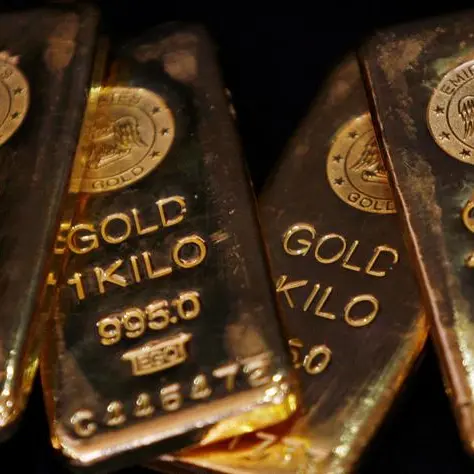
Abdul-Rahman disclosed the management of the City is planning to convert a certain area into a regional gold hub in which gold will be manufactured and traded in large quantities. This is due to several promising facilities that can support the plan within the next five years. The City will collaborate with major local gold traders and manufacturers to create conducive environment for the realization of this noble idea. He said the City will organize gold exhibitions to promote its services and actualize its objectives. The international gold exhibitions are expected to generate over $100 million sales as several personalities from various parts of the world have expressed their interest in such events. Participants will include manufactures and traders of jewelry, diamond, pearl and other precious stones.
Market Size
On the other hand, Al-Qurain Commercial City Operations Manager Charbel Haik declared Kuwait is a major regional gold market with annual gold sales amounting to $2 billion. He said a huge amount of money has been injected into the market to ensure its success, even for meeting local demand alone. He added the global gold and jewelry sales are expected to increase to $130 billion per annum, including $13 billion in the region, which is one of the largest gold and jewelry markets in the world.
Haik disclosed the Ministry of Commerce and Industry usually stamps about 20 tons of gold per year, 45 percent of which are 21 carats, 35 percent 22 carats, and 20 percent 18 carats. Local gold constitutes 55 percent of the total amount of gold stamped annually, while the imported gold constitutes 46 percent.
The initiative of the City administration to support different activities, including cutting and trading in gold, is part of its commitment to provide various services in the interest of investors. Haik affirmed the administration will continue its policy to support investors and encourage them to embark on a variety of enterprises, particularly the small investors who are willing to start their business in a favorable investment environment with the ability to double their profits. He pointed out the City has the required values to put investors at the forefront not only in Kuwait but also in the region through the creation of lucrative ventures on an area measuring two million square meters.
Factors of Success
The Kuwaiti environment is now ready for manufacturing and trading in gold to realize its vision to become a financial hub in the region according to the following factors:
1. The Ministry of Commerce and Industry is strictly controlling the quality and price of gold. Every piece of gold should have an official stamp before selling it to the local market. The authorities impose huge fines, amounting to thousands of dinars, to sellers who cheat buyers, and committing the crime again might lead to the closure of the shop.
2. Strong purchasing power in the local gold market that can accommodate 35 tons of gold a year.
3. Kuwaitis trade in pure gold not less than $1.5 billion per year that may reach up to $2 billion including jewelry.
4. The Kuwaiti market is ahead of its GCC counterparts in terms of acquiring a variety of good quality jewelry, totally different from what are currently offered in the GCC markets. Specialized traders are also maintaining standards for certain customers.
5. Kuwait imports gold from different countries like India, Italy, Bahrain, UAE, Singapore and Hong Kong.
6. Jewelry in Kuwait is not subject to tax and only symbolic customs charges are being enforced, which means customers pay exact prices based on the weight and minimal fees for labor and changing designs.
7. Factors that encourage customers to purchase gold include their receptiveness to higher prices and desire to posses the yellow jewel.
8. Demand for gold increases during festivals, including religious ones and Mothers Day, particularly in June and July.
9. Different categories of gold buyers in Kuwait, with Kuwaitis having 60 to 70 percent of the purchasing power, followed by Egyptians, Indians, and other nationalities.
10. High competition among companies and major businessmen. About 10 major companies are competing with each other and offering different services, which eliminated monopoly.
11. The Kuwaiti gold and jewelry market is third in the Gulf, after Saudi Arabia and UAE. Kuwaiti consumers are always looking for new designs and models.
12. Kuwait is considered an important testing venue for every new style of gold and jewelry produced in regional markets. If an item passes the test in Kuwait, then it will be widely accepted by consumers in various markets.
Haik stressed the Kuwaiti government is the best in terms of controlling gold, indicating the Ministry of Commerce and Industry has laid down many regulations to protect consumers, making Kuwait the most secure place for gold buyers in the world. The country's control mechanisms have forced gold traders to improve the quality of their products, to avoid being rejected during the government testing. Such procedures have made the Kuwaiti gold the best globally.
Indicating the establishment of a center for gold and jewelry in the City will increase competition among gold and jewelry manufacturers and traders, Haik believes this competition will lead to the creation of diverse and elegant styles to attract more customers and meet their demands. He said the gold market is currently dependent on expatriates and tourists who constitute a large percentage of the total number of buyers. He is confident the center will help the gold and jewelry market overcome challenges, particularly the increasing prices of gold globally and sluggishness of the market.
Confirming the price of per gram of 24-carat gold increased by 45 percent over the last six months in Kuwait, Haik lamented the soaring prices have affected local sales as consumers have started looking for cheaper alternatives, yet some consumers are still purchasing gold for personal use and investment.
Haik asserted the price of gold has been stable over the last 10 years, and it has been increasing despite the global financial meltdown. He said gold purchased for storage makes up 55 percent of total sales.
Potential of the City
Haik asserted the activities offered by the City are insulated from the global financial meltdown, since most of the centers will provide the necessary goods to citizens and expatriates in a very competitive environment. He said the City will offer best prices to customers, increasing the project's chance for success. Highlighting the fact that Kuwait needs huge commercial projects to realize its vision of becoming a commercial hub in the region, Haik said the country should take advantage of its strong purchasing power made possible by a large presence of foreigners in the country. He disclosed the City will also export goods to regional markets.
Kuwait, through the establishment of the City, took a step forward to strengthen its position in the region, mainly in the retail sector. Haik expects further expansion for areas that will be rented out to investors as the City is located in a vast area, equal to the total areas of many commercial markets and malls, not only in the country but also in the region.
According to the shopping center developers in Kuwait, youths comprise 50 percent of the total population of shoppers, which is a very good sign for the City. Kuwait caters to companies with famous trademarks, particularly in the retail sector, increasing the chances of the City to succeed in attracting more investors.
Haik opined Kuwait will realize its dream of becoming a commercial hub in the region by taking advantage of its strategic location, especially its proximity to major trading markets in Iraq, Iran and Central Asia, not to mention its regulations and long business experience. He said Kuwait is lagging behind other GCC nations in the retail sector, but it has a strong potential to succeed in this field.
© Arab Times 2009