26 October 2009
Amman - Minister of Energy and Mineral Resources Khaldoun Qteishat said that the challenge to meet the growing demand of energy in Jordan requires investments of around $ 18 billion in various sectors by the end of 2020.
During a panel discussion with the Chairman and members of the Jordanian Businessmen Association (JBA) on Sunday Qteishat said that Jordan faces major challenges in energy sector and this requires efforts to address them in order to provide the Kingdom with energy and water supplies and to secure the cost of these resources which are vital for human resources and industrial development.
He underlined the unjustified waste of energy in the Kingdom, and the decreasing use of solar system due to the already halted government subsidized diesel prices which used to make it cheaper for citizens to use fuel for heating rather than the solar energy.
The minister announced that the cost of energy in the Kingdom last year amounted to JD 2.765 billion, compared to JD 1.153 billion in 2004.
This constitutes more than 21 percent of GDP at current prices, compared to 14.5 percent of GDP in 2004.
Qteishat expected the growing demand in electricity power will stand at 6.4 percent annually and the demand for primary energy to reach about 15 million tons of oil equivalent in 2020 compared to 7.7 million tons of oil equivalent in 2008.
Through adopting a new comprehensive national strategy to meet the challenges of energy sector until 2020, the government seeks to develop exploitation of domestic resources of energy such as natural gas, oil shale, uranium, and the use of nuclear power for power generation and water desalination.
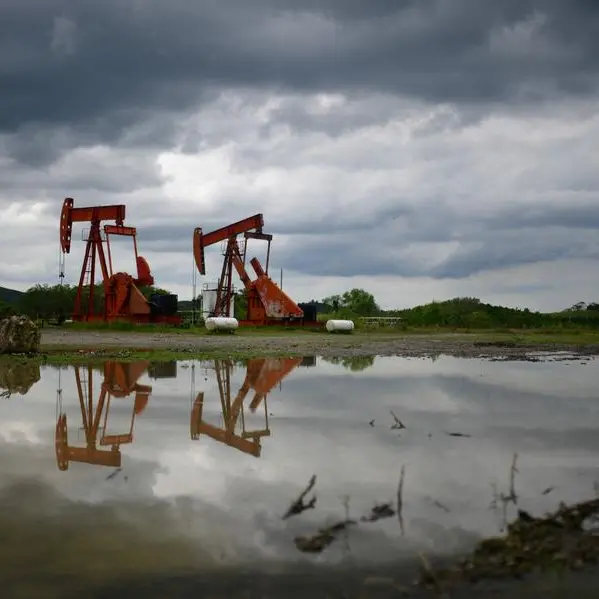
As for the development of Al-Risheh gas field , Qteishat said that the agreement signed between the National Petroleum Company and British Petroleum will implement a 3 - year exploration phase, extendable for a fourth year, during which BP would spend $ 237 million in two phases.
"If explorations show that the project was economically feasible, BP will spend $ 8-10 billion to develop the field to increase gas production from 330 mcf per day to 1000,000,000 mcf" ,he added.
Amman - Minister of Energy and Mineral Resources Khaldoun Qteishat said that the challenge to meet the growing demand of energy in Jordan requires investments of around $ 18 billion in various sectors by the end of 2020.
During a panel discussion with the Chairman and members of the Jordanian Businessmen Association (JBA) on Sunday Qteishat said that Jordan faces major challenges in energy sector and this requires efforts to address them in order to provide the Kingdom with energy and water supplies and to secure the cost of these resources which are vital for human resources and industrial development.
He underlined the unjustified waste of energy in the Kingdom, and the decreasing use of solar system due to the already halted government subsidized diesel prices which used to make it cheaper for citizens to use fuel for heating rather than the solar energy.
The minister announced that the cost of energy in the Kingdom last year amounted to JD 2.765 billion, compared to JD 1.153 billion in 2004.
This constitutes more than 21 percent of GDP at current prices, compared to 14.5 percent of GDP in 2004.
Qteishat expected the growing demand in electricity power will stand at 6.4 percent annually and the demand for primary energy to reach about 15 million tons of oil equivalent in 2020 compared to 7.7 million tons of oil equivalent in 2008.
Through adopting a new comprehensive national strategy to meet the challenges of energy sector until 2020, the government seeks to develop exploitation of domestic resources of energy such as natural gas, oil shale, uranium, and the use of nuclear power for power generation and water desalination.
As for the development of Al-Risheh gas field , Qteishat said that the agreement signed between the National Petroleum Company and British Petroleum will implement a 3 - year exploration phase, extendable for a fourth year, during which BP would spend $ 237 million in two phases.
"If explorations show that the project was economically feasible, BP will spend $ 8-10 billion to develop the field to increase gas production from 330 mcf per day to 1000,000,000 mcf" ,he added.
© Jordan News Agency - Petra 2009