Saturday, Dec 08, 2007
Jordan has emerged as a competitive player in the global marketplace and key metrics show why: the country's GDP grew at 6.4 per cent in 2006; its per capita income has risen steadily from 2002 just as exports have done from 2001 to 2007.
Strategic local and international business agreements valued at over $2.5 billion were signed on the margins of the fourth World Economic Forum on the Middle East meeting earlier in 2007. Jordan has swiftly moved up the rankings of the United Nations Conference on Trade and Development's (Unctad) 2007 World Investment Report. The kingdom was ranked eighth worldwide in terms of foreign direct investment (FDI) inflows and is amongst the top five major destinations for FDI in West Asia.
The key partnerships that will be defining new business processes for Jordan in the years to come include the setting up of a light rail system connecting Amman and Zarqa, the expansion of the Queen Alia International Airport, the acquisition of a majority stake by a UAE-Jordan private equity firm, Jordan Dubai Capital, in Jordan's electricity generating company, and a number of projects in infrastructure development, finance and others.
Industries driving the Gulf's economies already have Jordan firmly in their expansion plans. Emaar Properties has launched one of the first mixed-use developments.
That initiative is now being followed by the appointment of Dubai-based turnkey solutions and consultancy firm, Select Contracts, to develop a conceptual study for a luxury hotel and residential resort on the Dead Sea. That the tourism and hospitality sector in Jordan is attracting high-value investors signals the depth of the country's reforms process and practice.
Initial reforms in the public sector - particularly those relating to the capital market, trade and investment, and institutional restructuring - are now set to progress to the next level. Over the past seven decades, local capital markets and the banking sector have emerged and developed gradually to form today the substructure of the economy.
Emphasis
King Abdullah II has at home and abroad lucidly emphasised his commitment to building a "dynamic and free economy that functions in the context of an environment attractive for investments, which is the result of a comprehensive and ongoing process of reform".
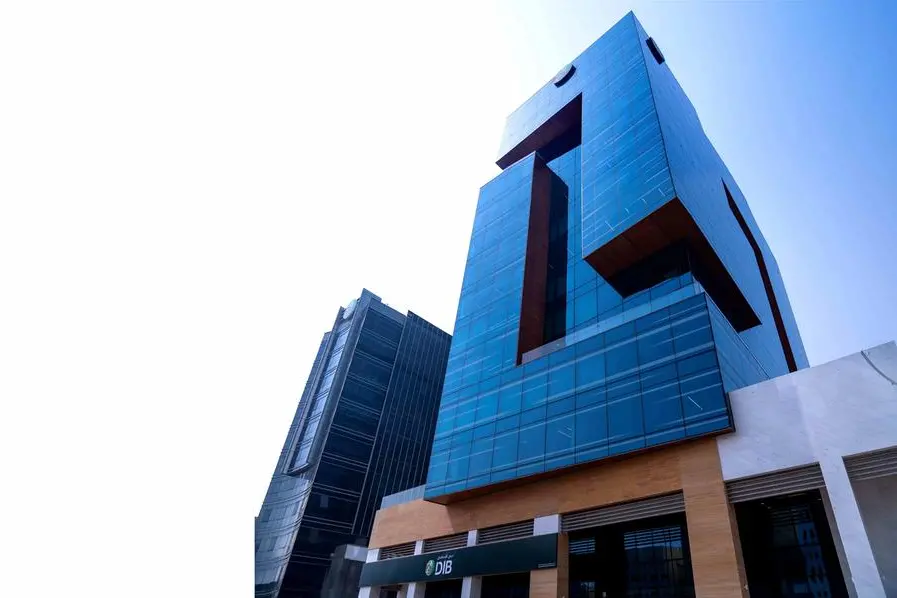
Business has responded quickly. The Jordan Dubai Energy Consortium has acquired 51 per cent of Jordan's Central Electricity Generating Company. In the financial sector too, new partnerships have formed. Jordan Dubai Capital and Dubai Islamic Bank have signed a $100 million agreement to acquire a majority stake in Jordan's Industrial Development Bank. The establishment of Inwan Mortgage Finance, a public shareholding company with a paid-up capital of $75 million, has been announced by Jordan Dubai Capital and Jordan's Social Security Investment Unit.
There is certainly more openness in the Middle Eastern economic landscape - despite zones of turmoil, the region has recorded the second highest economic growth after China. For Jordan, expansionary fiscal policies and a very confident private sector with money to invest suggest that the GDP growth curve will continue to rise. The bottom-line on Jordan for entrepreneurs is that they like what they see locally and are putting more money in the domestic markets.
- The writer is a freelance writer based in the USA.
By Samuel J. Juett
Gulf News 2007. All rights reserved.