Enterprise software giant SAP plans to significantly boost its revenues in the MENA region, and recently announced a major investment programme to support its broad-based ambitions
In March German enterprise software giant SAP announced it would spend an 'additional' $450 million over the next four years in the Middle East and North Africa (MENA).
According to the Company, the investment will see more than 500 new jobs created by 2015, several new offices opened, and the number of SAP-trained consultants qualified to deploy and implement its software across the region will be tripled.
The four-year plan is part of the Company's ambitions to make deeper inroads into a regional market it believes will be one of its most important in years to come. A recent statement confirmed that SAP planned to 'significantly' grow its MENA revenues by 2015, building on what it said was 'impressive' double-digit compound growth between 2008 and 2011. Furthermore, it wants to establish the MENA area as one of the Company's top-10 growth markets in the world.
This would by default make the Middle East a key contributor to SAP's global revenues, building on the momentum created last year when the parent company reported its best-ever financial performance, with software revenues alone rising 25 per cent year-on-year to four billion euros ($5.2 billion).
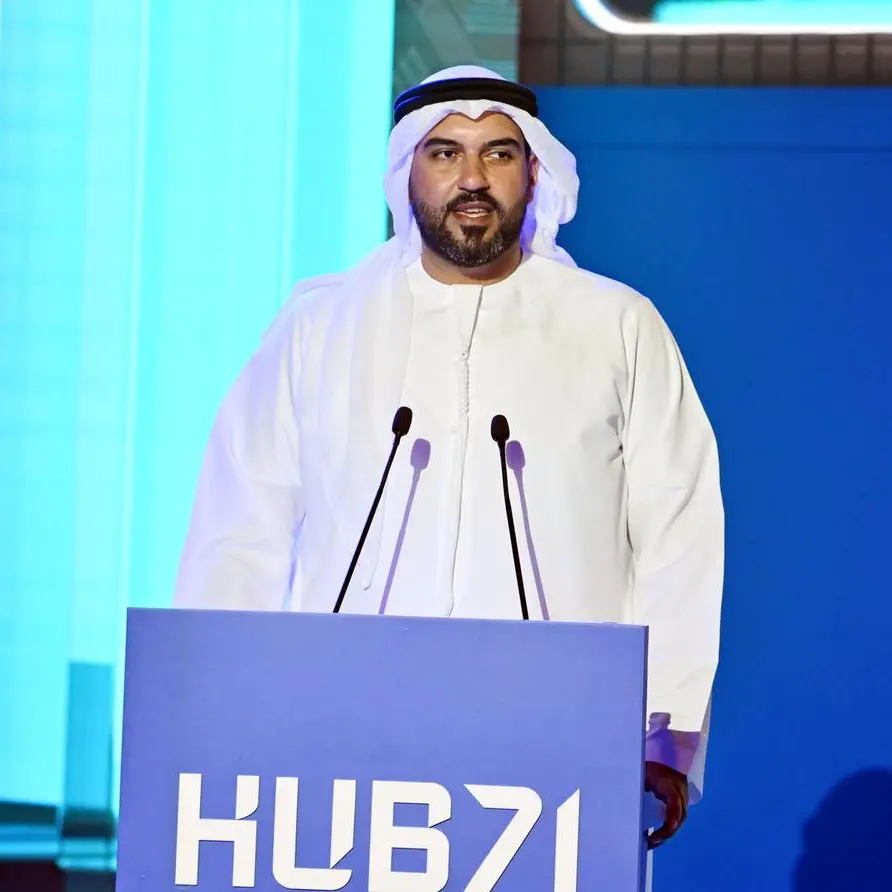
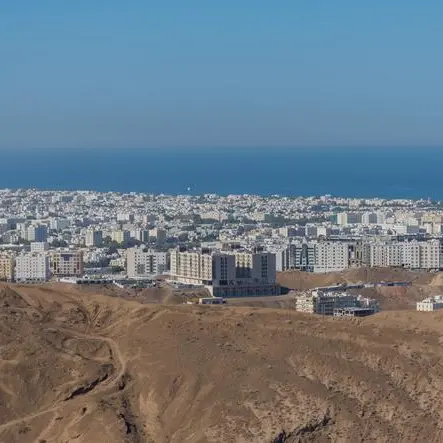
"We are fairly well established in the core MENA countries in which we operate but we are looking to tap into other GCC [Gulf Co-operation Council] markets more aggressively, for example Kuwait, Oman and Bahrain," Sam Alkharrat, the managing director of SAP MENA, tells The Gulf.
"We will also expand our regional footprint in North Africa and the Levant, such as in Jordan, Lebanon, Iraq and Libya. We intend to enter all these markets directly and indirectly through our channel ecosystems," he adds.
While the SAP brand is well known among some of the Gulf's biggest organisations - Saudi Aramco, the world's largest oil producer, is for example a client - SAP MENA was established only in 2007 to serve its regional customers more effectively.
In the years since, the global economy has boomed and busted, financial markets have crashed and the MENA region has stumbled through the traumas of the Arab Spring. Despite this, SAP today enjoys an impressive 37 per cent overall market share across its business lines in the region, promoting IT intelligence and market advisory firm IDC to recently name SAP as MENA's top enterprise application software vendor.
"We don't think the macro-economic or socio-political picture in MENA will necessarily impact our growth going forward per se, although it may delay or slow it down slightly," Alkharrat reckons.
"The Middle East is still virgin territory for us and we see clear growth for many years ahead," he says.
Alkharrat believes the region's heavy process industries - oil and gas facilities, refineries, aluminium smelters and steel plants, for example - will continue to grow "in leaps and bounds", as will the financial services and retail sectors. The latter, he notes, is "growing and automating and upgrading."
But it is the Gulf's public services sector - to date under-invested on performance-enhancing software systems - which he thinks holds some of the most exciting potential for SAP as governments pour money into upgrading IT infrastructure to make their operations more efficient.
"We are starting to tap into the public sector spend across countries such as Saudi Arabia, Qatar, the UAE - Abu Dhabi specifically- where there is likely to be heavier growth," he explains.
Alkharrat says because organisations such as those in the public sector are less IT-savvy, companies like SAP must invest time on educating and awareness initiatives, "helping the customer mature to the level where they can carry on these important and mission-critical projects."
To help achieve this, SAP MENA plans to accelerate the innovation process, Alkharrat says.
"We will build 'proof of concept and innovation labs' across the region to allow direct access to our technology," he explains.
Alkharrat says although the Company's healthy market share is dominated by its successful applications business, other market categories have room for growth.
"For example, the door is wide open for us to grab share in the analytics and mobility markets; the database market is also heavily untapped, and SAP plans to be the world's number two database player by 2015; and finally cloud computing, which has not yet reached a tipping point in the Middle East but when it does we will be leading that market," he says.
Although the regional business potential is clear, Alkharrat says SAP's decision to commit significant sums to recruitment and training reflects its need to serve the market with 'localised' solutions and personnel.
"When you have such an aggressive hiring plan as we do finding the right talent is without doubt the biggest challenge we face," he explains. As well as stepping up its upskilling efforts, SAP MENA will also expand the number of alliances it has with universities, he adds.
A key element of SAP MENA's training regime in the region over the next few years will be a dedicated 'Training and Development Institute'. The Company expects this facility, the location for which is as yet undecided (although Alkharrat says 'three or four' options are being considered) - will certify 2,000 new consultants over the next four years.
The managing director believes having such a capability in the region will enable SAP to further 'localise' its solutions - in other words tailor its products to local tastes and needs - while helping it respond more quickly to what it believes are 'fast-growing regional industry needs'.
"We plan to localise at a faster pace a roadmap of 'Arabised' solutions for the Middle East," he says.
The Institute's educational role will benefit more than SAP employees and consultants.
"There is still a lack of understanding and maturity in the market on how you can interconnect applications for business value, particularly among less IT-savvy organisations such as the public sector," Alkharrat says.
With MENA organisations looking for better choice, industry leadership and best practice and innovation, he says, the timing of SAP's latest investment announcement seems good.
"Now is the time to expand by accelerating our presence into untapped markets, further localising our solutions and relentlessly focusing on value-delivery," Alkharrat concludes.
© The Gulf 2012