With the fallout from the oil spill in the US Gulf of Mexico, the Arabian Gulf region's central role is set to grow, an expert said yesterday.
The Arabian Gulf region, the expert added, is central to the global oil supply system as in 2009 it produced on average 23.6 million barrels of oil per day, equivalent to 30 per cent of world production.
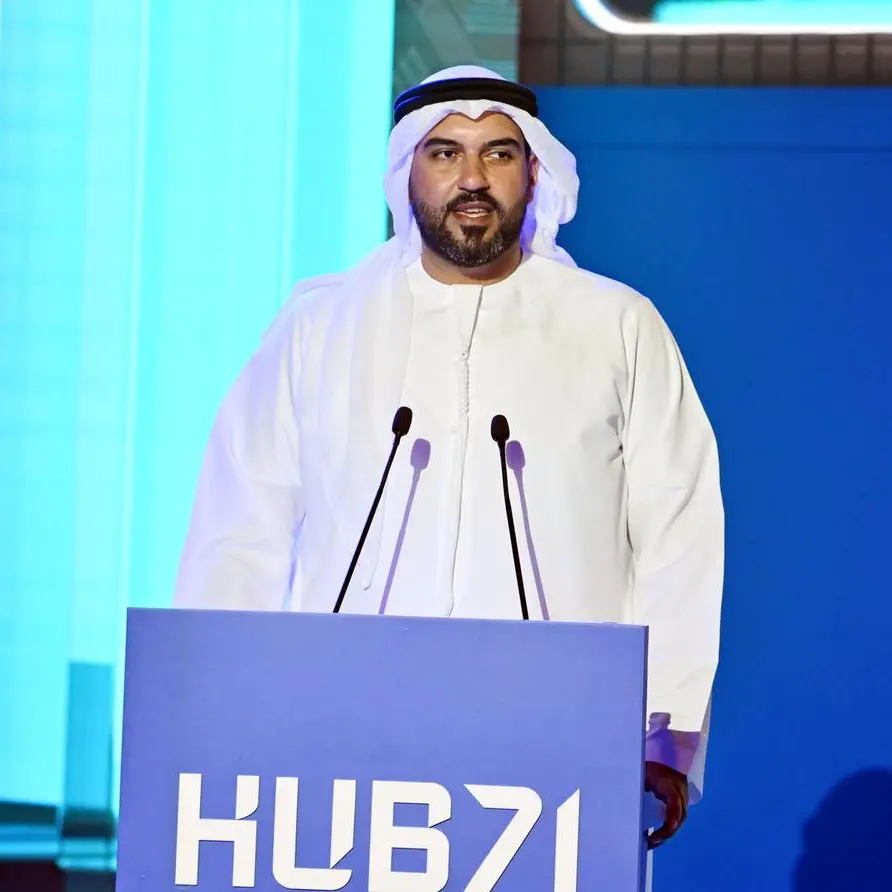
"The recent tragic events in the Gulf of Mexico have given all participants in the energy industry, producers and consumers alike, cause for thought," said Badr Jafar, Executive Director of the UAE-based group Crescent Petroleum.
"We at Crescent have no doubt that the repercussions of the spill for the industry are going to be felt for many years to come.
One unquestionable outcome is that the whole oil and gas industry will now be under great scrutiny and will be held, justifiably, to the highest possible safety and environmental standards. Another is that the Gulf will play a critical role in ensuring that global oil markets remain well supplied through this challenging period," he said.
Deepwater drilling for oil and gas is now understood to be even more difficult and high-risk than previously thought.
Consequently, it seems likely the sector will face not only more regulation but also the threat of reduced or delayed investment.
The International Energy Agency (IEA) estimates that the six month moratorium on drilling in the US Gulf of Mexico, which may yet be extended, combined with the time required for new deepwater regulations to be drawn up and adopted, means that the US Gulf of Mexico region could lose one to two years of progress relative to where it would have been had the spill not happened. The IEA estimates that as a result, by 2015, the US Gulf of Mexico oil production could be 100,000 to 300,000 barrels of oil per day lower than previous forecasts.
More significantly, it is likely that the US oil spill will slow deepwater drilling exploration and development around the world, as regulators and operators take time to assess what measures need to be taken to prevent such spills happening again, and many players may in-turn reduce investment in the sector in the face of greater perceived risks.
"The IEA estimate the impact of a global slowdown in the deepwater Exploration and Production sector could reduce global supply by around 800,000 or 900,000 barrels of oil per day by 2015, or one per cent of estimated 2010 global demand.
While small relative to overall global production, the potential loss of these volumes could prove critical to the global oil supply and demand balance since deepwater developments are set to be the key marginal suppliers to the global oil supplies over the next decade," he said.
"The Arab Gulf region's focus on onshore and shallow water production safeguards it from many of the new problems facing the deepwater industry. However, precisely for this reason the demands upon it are likely to grow as the threat of tightening global supplies loom. More oil industry investment is likely to be needed to ensure adequate production is maintained.
Furthermore, ensuring more oil is available for export may also require the increased development of regional gas production and gas-fired power facilities to reduce the need for oil consumption within the region."
"We believe the Arab Gulf's private sector will play a key role in contributing to the continued security of the global oil system," he said.
"That is why we are actively investing in the oil and gas sector within and outside the region. The Gulf of Mexico incident has shocked the industry and the world; we will do our part in ensuring it does not lead to an economic shock as well," Badr added.
By Mahmood Rafique
© Bahrain Tribune 2010