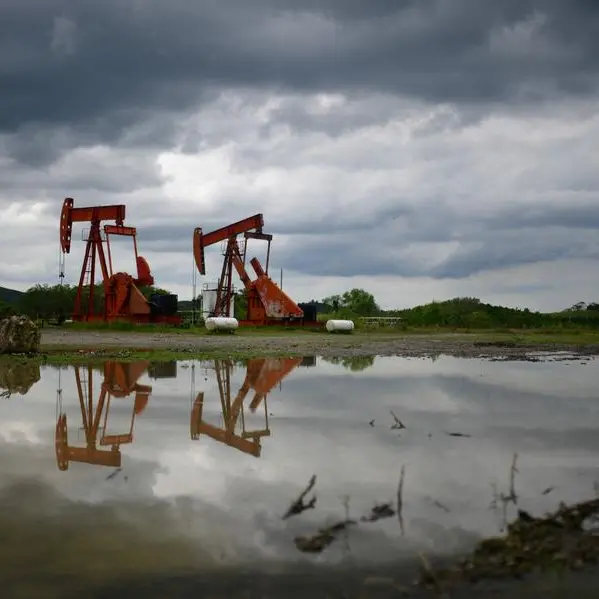
Pricing for gas in the global market has traditionally been linked to that of oil. When oil prices have risen, gas prices have followed suit, and when oil supply has increased, gas prices have fallen. However, over the last few years, the dramatic expansion of natural gas production and the resulting gas surplus have increasingly driven a separation of this conventional gas-oil price link.
Until a few years ago, 'oil indexation' was the dominant pricing mechanism for long-term supply contracts. Spot pricing generated by trading hubs on gas pipeline networks was rarely used. However, amidst today's gas glut, oil-indexed prices do not correspond to demand and supply fundamentals. In Europe, for example, oil-indexed gas prices are well above spot prices, a mismatch that has resulted in substantial losses for some gas importers. Over the last two years, many European importers have sought to renegotiate gas contracts with suppliers to avoid continued losses, accelerating the trend towards price decoupling.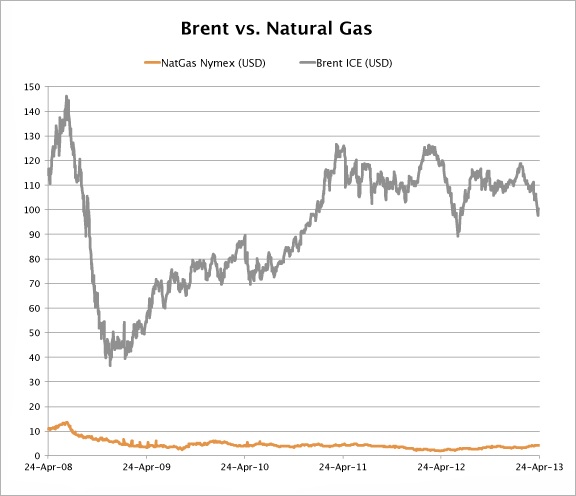
The decoupling of oil-gas prices has been mainly driven by new gas production techniques in the last five years, especially for shale gas. Technology advancements have lowered development costs and increased production efficiency, flooding the US market with natural gas and natural gas liquids (NGLs). Gas and crude oil prices have already effectively decoupled in the US market.
The US decoupling is impacting Europe: LNG destined for the US, from the Middle East and elsewhere, is increasingly being diverted to Europe among other markets. Additionally, shale gas growth has left the US with excess coal, some of which is being exported to Europe, where it provides short term and cost-effective fuel for power plants. Increased gas and coal supply have put pressure on Europe gas hub prices. Between 2010 and 2011, gas demand in the EU fell by 10% and increased pressure is expected in 2013.
The decline in North American gas prices has spurred European LNG buyers to seek substantial changes in their import contracts. Traditional European long-term gas import contracts only allow base prices and oil-indexation formulas to be reset every three years based on market changes. To avoid losses, European importers of pipeline gas from Russia and Algeria, who have traditionally signed contracts indexed to oil prices, are seeking to renegotiate their contracts. Many Central and Western European importers have filed arbitration cases and renegotiated long-term supply contracts with base price revisions outside the normal contract review cycle.
Some recent legal developments on gas price issues have involved Qatar's leading gas producer RasGas. In September 2012, the arbitration court of the International Chamber of Commerce ruled against RasGas in a dispute with Italian utility, Edison, over the oil-indexed pricing of their long-term LNG Sales and Purchase Agreement (SPA) contract. The arbitration ended with RasGas paying about EUR 450 million in compensation to Edison. RasGas is currently also in arbitration with European companies Distrigas and Endesa over gas pricing in their contracts.
In a bid to reflect market reality, many new contracts in Europe are being priced using spot prices at Henry Hub, the US-based gas distribution hub. Beyond Europe, Asia's fast-growing economies are also seeking to move to hub pricing as high fuel costs threaten economic growth. Hub pricing could cut the cost of importing natural gas for these countries although the ultimate pricing formula will be important to examine in each case.
Despite the gathering pace of price decoupling, Standard & Poor's (S&P) sees minimal impact over the short to medium term on its ratings for gas suppliers and a likely credit supportive effect for importers because they've managed to significantly cut risk in their portfolios. However, we acknowledge that gas wholesale is likely to be a relatively low margin activity for importers going forward. Ratings of suppliers like Gazprom and RasGas already factor in a degree of price volatility and are not tied to the current high oil prices. At present, S&P's ratings are based on a mid-term price scenario of Brent at USD 80 per barrel (bbl), about 25% below the current Brent crude price. The continuation of decoupling trends over the short to medium term has been factored into the ratings.
To take RasGas' example, its debt service coverage ratios are expected to remain comfortably above 3x, given compellingly low break-evens. RasGas' deliveries to Edison, Endesa, and Distrigas are continuing with no interruptions and the combined amount sold to all three represents less than 20% of RasGas' total cargo sales for 2011. The Edison arbitration award was high but not material, in the context of RasGas' overall financial performance in 2012. Decoupling of oil and gas prices over the medium to long term, at levels witnessed today, would be unlikely to lead to any rating action on RasGas.
Nevertheless, while there will be continued momentum towards decoupling, some forces may limit its pace over the short, medium, and long term. These include challenges in exporting LNG from the US to Europe, the uncertain environmental and regulatory impact of shale technology, the security of supply offered by gas, political priorities to support clean fuel in Europe, and significant power needs in emerging markets like Southeast Asia, Saudi Arabia, and the UAE, all of which are relying on gas as the main fuel source for their plants.
Karim Nassif joined Standard & Poor's in June 2005. Karim is an associate director, based in Dubai, working in the Infrastructure Finance team covering the Middle East, Africa and Europe (principally the UK). His area of focus includes oil and gas (LNG and LNG shipping), power, renewables, Islamic finance, and public private partnerships.
© Zawya 2013