12 February 2012
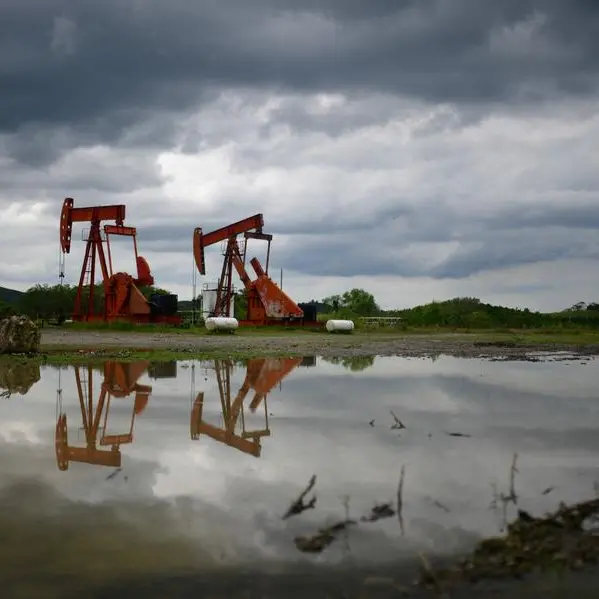
Oil revenues continue to represent the key source of funding for public expenditure, particularly current expenditure, although the percentage of oil revenues' coverage of public expenditure has declined from 77.4% in 2006 to about 46% in 2009, with the State's General Budget expecting it to hit the figure of 39% only in 2010. The coverage of the oil revenues of current expenditures has also fallen from 102.4% in 2006 to about 57.4% in 2009 and is expected to reach 53% of current expenditures in 2010.
This reduction is mainly due to the shrinking sales of exported crude oil as a result of the low production quantities, which places a considerable pressure on the general expenditure plan and on the government's ability to implement investment projects to enhance opportunities for economic growth and generate work opportunities.
This serious situation will also be reflected in an increasing budget deficit to exceed the safe economic limits in addition to what such financial instability may cause in terms of disrupting the macroeconomic stability.
On the other hand, the annual audit statement issued by the Central Organization for Control and Audit (COCA) has highlighted the misuse of public financial resources and the growing levels of corruption associated with the implementation of the State's general budget.
The government continued to provide additional consecutive allocations with a clear and constant bias towards current expenditures, which have taken over 97% of the total additional allocation of 2008.
proposed policies to increase oil
revenues and reinforce their development role:
• Expand the oil and gas exploration works.
• Reconsider the production and production-sharing agreements with oil and gas companies operating in Yemen in accordance with the economic changes and future exploration requirements.
• Establish more government refineries in order to meet the needs of the local market from oil derivatives and to widen the revenues of oil wealth.
• Improve the transparency of the State's Public Budget both with regards to revenues and expenditures, especially with the expenditures outside the budget and the unclassified expenses.
• Make use of gas in various economic activities and exploiting the gas associated with the oil production in various production sectors.
Oil revenues continue to represent the key source of funding for public expenditure, particularly current expenditure, although the percentage of oil revenues' coverage of public expenditure has declined from 77.4% in 2006 to about 46% in 2009, with the State's General Budget expecting it to hit the figure of 39% only in 2010. The coverage of the oil revenues of current expenditures has also fallen from 102.4% in 2006 to about 57.4% in 2009 and is expected to reach 53% of current expenditures in 2010.
This reduction is mainly due to the shrinking sales of exported crude oil as a result of the low production quantities, which places a considerable pressure on the general expenditure plan and on the government's ability to implement investment projects to enhance opportunities for economic growth and generate work opportunities.
This serious situation will also be reflected in an increasing budget deficit to exceed the safe economic limits in addition to what such financial instability may cause in terms of disrupting the macroeconomic stability.
On the other hand, the annual audit statement issued by the Central Organization for Control and Audit (COCA) has highlighted the misuse of public financial resources and the growing levels of corruption associated with the implementation of the State's general budget.
The government continued to provide additional consecutive allocations with a clear and constant bias towards current expenditures, which have taken over 97% of the total additional allocation of 2008.
proposed policies to increase oil
revenues and reinforce their development role:
• Expand the oil and gas exploration works.
• Reconsider the production and production-sharing agreements with oil and gas companies operating in Yemen in accordance with the economic changes and future exploration requirements.
• Establish more government refineries in order to meet the needs of the local market from oil derivatives and to widen the revenues of oil wealth.
• Improve the transparency of the State's Public Budget both with regards to revenues and expenditures, especially with the expenditures outside the budget and the unclassified expenses.
• Make use of gas in various economic activities and exploiting the gas associated with the oil production in various production sectors.
© Yemen Observer 2012