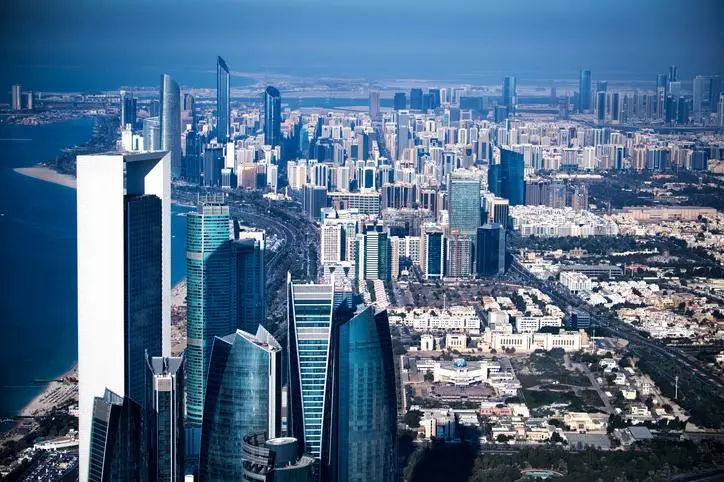
MUSCAT -- Oman's infant, yet burgeoning, petrochemicals sector will be showcased at an international energy conference due to be held in the United Arab Emirates later this month. Petchem Arabia, a three-day event spotlighting the Middle East region's petrochemicals sector, will open in Abu Dhabi on November 27.
The conference has been organised by the World Refining Association (WRA), a UK-based independent, information provider to the global oil and gas and energy sectors. The WRA also organises high-level, strategic conferences for the downstream oil and gas and petrochemical sectors.
Senior executives from a number of leading players in the petrochemical sector will be attending the conference. The line-up of speakers includes representatives from Abu Dhabi National Oil Company (Adnoc), Petrochemical Industries Company Kuwait, Borouge, BASF, Jacobs Consultancy, Dana Gas, Axens, and Takreer, among others. The Middle East region, with its low cost feedstocks and advantageous geographical location between West and Eastern petrochemical markets, is seen as the world's most attractive location for petrochemical assets. But with the petrochemical sector now embarking on the next stage of expansion, it faces a number of challenges, says the WRA.
Discussions at Petchem Arabia will address the key issues and challenges at the heart of the Middle East petrochemicals sector including strategies for continued regional growth and penetration of international new markets, maintaining the region's cost competitiveness in the global market place, attracting overseas partners and addressing the increasing problems surrounding the issue of rising EPC costs due to the escalating number of new project announcements.
Oman will be represented at the event by Dr Mohammed Benayoune, Chief Executive Officer of Aromatics Oman LLC, which is developing a $1.6 billion plant at the industrial port of Sohar. Dr Benayoune, who has also been closely associated with the respective projects of Oman Polypropylene LLC and Liwa Petrochemical Company LLC, will the use the opportunity to highlight the huge strides made by the Sultanate in the petrochemicals sector in recent years.
The Omani government, backed by several well-known regional and international partners, is investing several billions of dollars in a raft of petrochemical ventures, mainly in the Port of Sohar. Salalah, and more recently Duqm on the Wusta coast, are also tipped to host a number of petrochemical projects. The projects are at the heart of a new thrust by the government to create a huge petrochemical industry in Oman.
Besides contributing to economic diversification, the fast developing petrochemical sector in Oman will also produce raw materials for a plethora of downstream industries, thereby creating opportunities for private sector investment and employment generation on a significant scale. Many of these downstream converting industries are expected to be housed within an ambitious Plastics Park envisaged at Sohar. Aromatics Oman LLC will use feedstock from the newly launched Sohar Refinery to make benzene and para-xylene.
Benzene is used as feedstock for a variety of downstream applications like styrene, cumene, cyclohexane, linear alkyl-benzene, and so on. Para-xylene is used primarily in the manufacture of polyesters and PET. Liwa Petrochemical, another project planned at Sohar, will produce ethylene di-chloride which in turn will be used to make vinyl chloride monomer and polyvinyl chloride (PVC). PVC, like polypropylene, is used downstream in the manufacture of thousands of finished goods.
Oman Polypropylene, which commenced production at Sohar recently, utilises propylene as feedstock from Sohar refinery to make polypropylene, which is a raw material from which literally tens of thousands of items can be made. A number of other gas-based petrochemical projects are also under development at Sohar.
They include a fertiliser plant, a world-scale methanol scheme, and a giant petrochemical complex planned by a joint venture of Dow Chemical and the Omani government.
By Conrad Prabhu
© Oman Daily Observer 2006