Thursday, Jan 12, 2012
-- U.S. officials to visit Seoul to discuss Iran sanctions
-- South Korea wants to minimize the potential impact of sanctions
(Adds comments from people familiar with the matter in the eighth to tenth paragraphs and background throughout.)
   By Min-Jeong Lee
   Of DOW JONES NEWSWIRES
SEOUL (Dow Jones)--A delegation of U.S. officials will visit South Korea next week to discuss plans for sanctions against Iran and Seoul's efforts to get approval for only a limited reduction in imports of Iranian oil.
South Korea's likely agreement to trim some of its oil buying from Iran comes alongside a diplomatic push on sanctions by the U.S. in Asia, which seems to have gained some traction in Japan but not in the world's top buyer of Iranian crude, China.
The delegation, which will include Robert Einhorn, U.S. special adviser on non-proliferation and arms control, and Daniel Glaser, an assistant secretary focused on illicit financing, will meet with officials from South Korea's finance ministry, foreign ministry and commerce ministry Monday through Wednesday, the Ministry of Foreign Affairs and Trade said on its website.
South Korea wants to minimize the potential impact sanctions would have on local companies, the ministry said.
The announcement follows comments by Japan's finance minister to U.S. Treasury Secretary Timothy Geithner Thursday that his country will take steps to reduce its dependency on oil imports from Iran, taking a much more conciliatory approach to the matter than China did Wednesday.
China won't stop importing Iranian crude oil and has no reason to blindly adhere to U.S. sanctions, a researcher at a Chinese think-tank wrote in a commentary published in the Chinese Communist party official mouthpiece newspaper People's Daily Thursday, following talks between Geithner and Chinese officials, who used less blunt language with him to get that same message across.
South Korea, has two possible avenues to be excused by Washington from making a complete halt to oil imports from Iran--to be considered an "exception" to the proposed U.S. sanctions or being granted a "waiver."
Opting to be considered an exception to the sanctions law would be the more plausible outcome for South Korea, people familiar with the matter say, something which would require it to reduce Iranian crude imports significantly by end-June.
Talks with the U.S. team, are expected to include discussion of alternative crude supplies, one of the people said.
But the focus of the upcoming discussions isn't likely to be on defining what constitutes a significant reduction in imports, and would be more on sharing information and detailed analysis including on the potential impact of a cut, he added.
Discussions could also cover the possibility of alternative crude sources like Saudi Arabia and U.A.E. asking for higher price for crude to replace Iran's oil, which supplies South Korea with nearly 10% of its imports, another person familiar with the matter said.
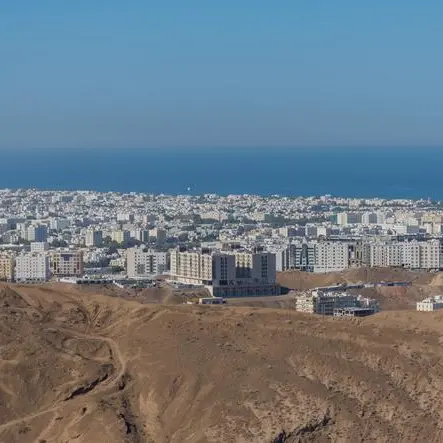
Prime Minister Kim Hwang-sik is to visit Oman and Friday through Sunday this week and then go on to attend an energy forum In the U.A.E, during which the Iran sanctions issue may well come up. That trip coincides with a visit to U.A.E, Saudi Arabia and Qatar by Chinese premier Wen Jiabao.
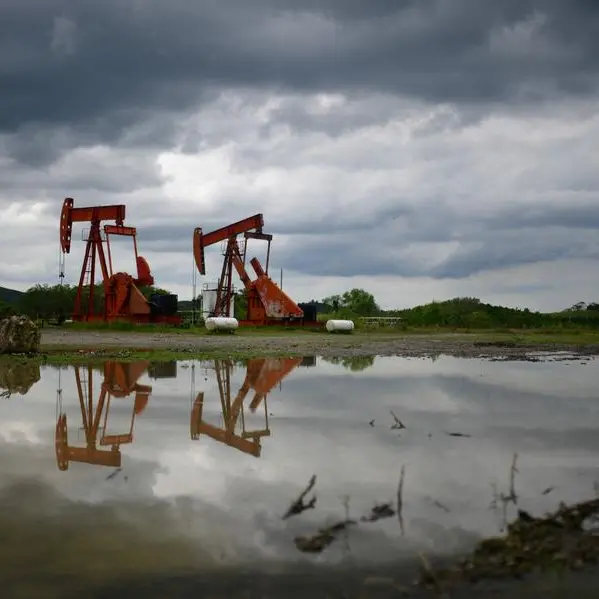
South Korea imported an average of 247,000 barrels a day of Iranian crude in January-November 2011, according to Korea National Oil Corp.
In a related development, another major buyer of Iranian crude, India, denied Thursday reports that it had instructed Indian refiners to stop buying from Iran.
-By Min-Jeong Lee, Dow Jones Newswires; 822-3700-1908; min-jeong.lee@dowjones.com
(END) Dow Jones Newswires
12-01-12 1041GMT