Yemen's Islamic banks, which have been shut down for the best part of the last nine months in battles between pro- and anti-regime forces in the capital Sana'a, are now preparing to open up to the public.
Most of the offices had to close as street-to-street fighting in the capital had made it too dangerous to venture downtown but are now starting to get back to business as barricades and military checkpoints are cleared in the wake of the GCC-backed peace deal that will see president Ali Abdullah Saleh step down to be eventually replaced by a civilian-elected government.
The Islamic banks have backed the military transitional council's attempts to clean up the country's main cities, however one Islamic banker The Islamic Globe spoke to said it will take at least two months for the banking sector to recover and get its operations back on its feet.
Another banker told the newspaper that the new government would soon be looking for financial help to kick start the national economy after nearly a year's paralysis and hoped to tap the Islamic capital market. This would, he hoped, see the reincarnation of the $500m national Sukuk program that got underway in February in partnership with the IMF.
The Central Bank of Yemen had only managed to issue $125m of Sukuk before it had to suspend its operations in the face of the popular uprising. It was intending to issue $25m of Sukuk a month and the main target for the Sukuk were the liquidity starved Islamic capital markets of the GCC. He hoped that the IMF would return to Sana'a soon and that the CBY would reinitiate the program.
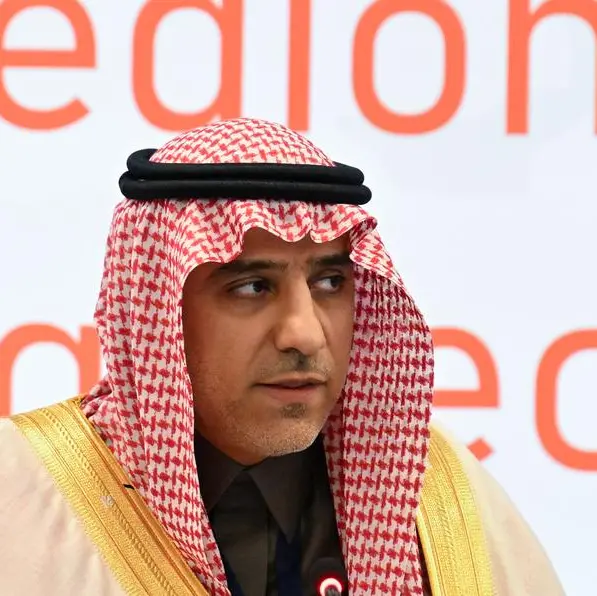
Earlier this week the country's foreign minister Abu Bakr al-Qirbi, speaking to reporters in Sana'a, said that the GCC bloc was ready to support its southern neighbor Yemen for at least two years as it negotiates the 'transitional' period between the ending of the Saleh regime and the assumption of power by a democratic government.
He said: "Solving the political crisis in Yemen requires tackling economic, development and security problems," adding, "the Gulf countries understand this and have voiced their readiness to provide support to the state budget of Yemen and study urgent needs of the country to improve basic services."
Al-Qirbi had been on a round-robin trip of GCC countries last week and was speaking on his return to Yemen. He said: "I explained to the GCC countries what has already been achieved with respect to the implementation of the west-backed GCC power transfer deal in its implementation in Yemen."
He continued: "But I impressed on them the need for financial support if the peace deal is going to work."
© The Islamic Globe 2011