Two projects designed to help raise Saudi Arabia's oil production capacity beyond 12.5 million barrels daily face delays, suggesting the world's top oil exporter is in no hurry to add more spare capacity as demand slumps.
Saudi Arabia has cut output by nearly 2 million barrels per day (bpd) to less than 8 million bpd over the past six months in line with agreements in OPEC to rebalance world oil markets, creating a huge overhang of spare capacity.
The cuts come during the final stages of the largest investment plan by Saudi Aramco, the state oil company, which will push capacity to 12.5 million bpd this year.
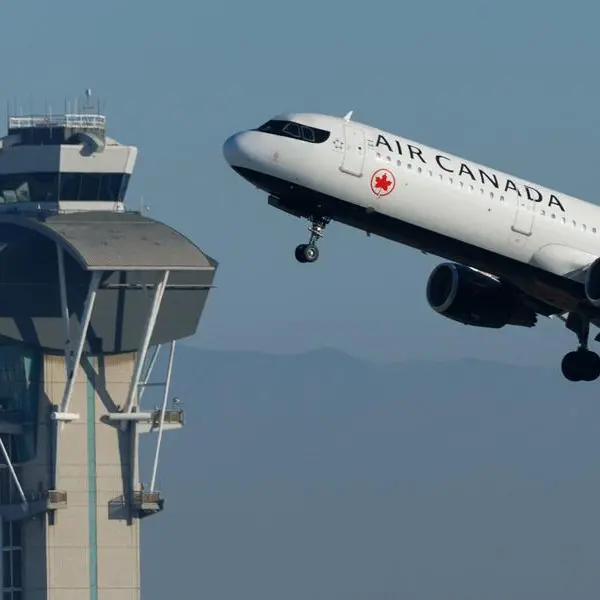
SNC-Lavalin, a Canadian engineering firm, has almost completed a contract to boost output from the Shaybah oilfield by 50 per cent to 750,000 bpd, but a further 250,000 bpd expansion has been delayed, according to Al Watan, a Saudi newspaper, reportedly until the global economy improves.
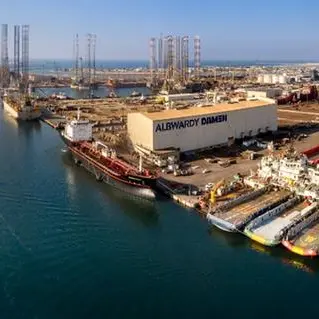
On Friday, Saipem, the Italian oilfield services group, said it expected Aramco to agree to an amended contract to develop the Manifa oilfield.
But even if that happened, the project was likely to be delayed by 12 to 18 months, Pietro Tali, the chief executive of the firm, told Reuters on the sidelines of an oil conference in Paris.
Last July, Saipem was awarded a €1.44 billion (Dh7.13bn) contract for Manifa, an offshore field originally scheduled to produce 900,000 bpd by 2011. But Aramco halted the work after oil prices collapsed last year.Mr Tali said Saipem had proposed to shift the contract to terms that would allow Aramco to benefit from falling construction costs, and to delay the start of construction until next year.
"Our strong feeling is that they will go for the solution we proposed, which is to stretch the duration of the project and to move the procurement scope from a lump sum to an open book," he said.
The kingdom has fully complied with a record reduction in its OPEC quota, resulting from the 4.2 million bpd of output cuts the oil exporters' group announced last year.
Oil prices have recently stabilised near US$50 a barrel, after tumbling 76 per cent last year, from their July peak of $147 to $34 a barrel in December. The increased Saudi spare production capacity is one of the factors expected to keep a lid on oil prices as the world economy recovers.
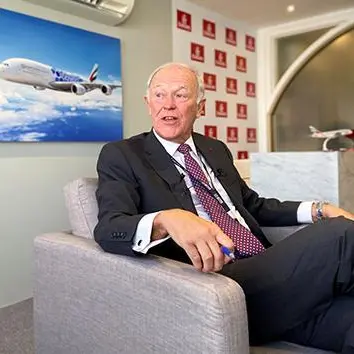
OPEC officials, including Abdalla el Badri, the group's secretary general, have said they could accept a $50 oil price for now, but want to see prices rise to about $75 in the longer term to encourage industry investment. King Abdullah of Saudi Arabia has said $75 a barrel would be a "fair" price for oil.
"We cannot really invest at current oil prices," Dr el Badri said on Thursday.
"Maybe we can live this year. The cost of adding new capacity is still high."
By Tamsin Carlisle
© The National 2009