Recent strong performance of the retail sector looks to indicate that Dubai's tourism sector could be entering a period of sustained growth, despite the regional impact of the Arab Spring. Traditionally, these two sectors have been closely linked, with millions of tourists coming to the emirate each year to experience what has become known as the "shopping capital of the Middle East".
That reputation now seems assured thanks to a scheme launched by the Department of Tourism and Commerce Marketing (DTCM), Strategy 2015, which identifies retail and tourism as key building blocks of Dubai's economy. The strategy targets 15m tourists by 2015, almost double the 8m visitors that the emirate expected to achieve in 2011, according to data prepared for the World Travel Market, a travel exhibition. The DTCM recognises that a broad-based tourist industry with solid fundamentals will facilitate that goal, citing factors including human resources, infrastructure, hospitality, hotels and a strong retail sector.
Indeed, Dubai Mall - the world's largest shopping mall - became the world's most visited shopping destination in 2011, attracting some 54m visitors, according to mall officials. This represented an increase of around 15% on figures for 2010. While this figure includes Emiratis, the growth in mall visitors coincides with a boost in the hotel segment, which also showed strong growth in 2011.
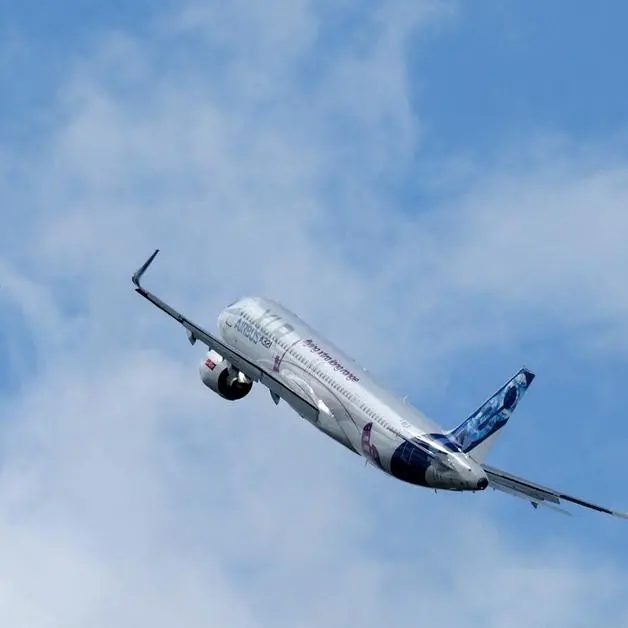
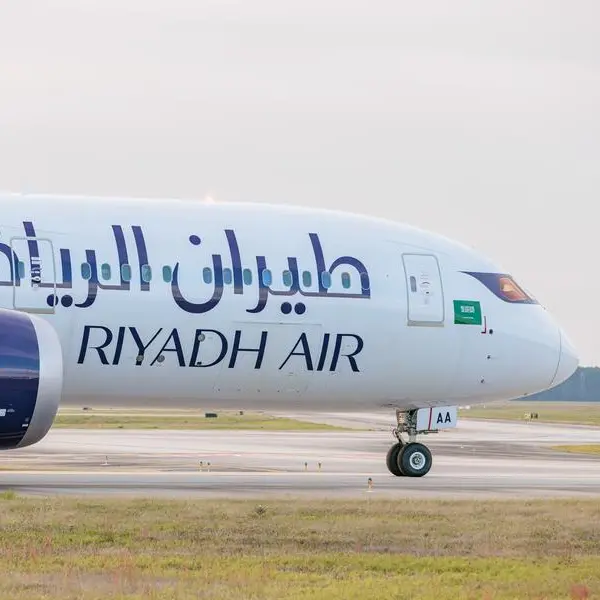
Occupancy rates in Dubai hotels for December 2011 stood at 85.1%, according to data from consultancy firm TRI Hospitality. Passenger traffic through Dubai International was also up, recording almost 51m in 2011, an 8% increase on the 47.2m registered in 2010.
"As a result (of our expansion and growth in Dubai), we have formulated an aggressive and ambitious expansion programme at a cost of $7.8bn to meet the some 90m passengers we anticipate welcoming to our airport by 2018," Paul Griffiths, the CEO of Dubai Airports, told OBG.
This stands in contrast to the regional tourist market, with some parts of the Middle East experiencing a sharp fall in the number of visitors they have received in 2011. Overall, some 5m fewer tourists came to the region compared to 2010, which saw a total of 55m tourists, according to the UN's World Tourism Organisation.
Dubai, however, as one of the region's more stable markets, has continued to do well. Retail-driven tourism growth in the emirate is set to continue apace, particularly after the month-long Dubai Shopping Festival (DSF), which wrapped up on February 5. This annual event, established by the government in 1996 to promote retail sales and trade, now attracts millions of people to enjoy tax-free shopping.
This year, visitors spent $114m in the event's first week, a 53% increase year-on-year, according to Karim Beg, Visa's head of marketing for the Middle East and North Africa. Moreover, in recent years the DSF has broadened in scope to include art, film and entertainment, making it a key component of Dubai's tourism offering.
According to the Dubai Events and Promotions Establishment (DEPE), a public events organiser, some 884,600 international visitors attended the festival in 2011, mostly from the UK, India and Saudi Arabia. This year's festival is expected to have brought in an even greater number of tourists, with the months leading up to the event seeing increasing passenger traffic through Dubai's International airport. Total visitor numbers for December 2011 showed a year-on-year increase of 10.2%.
DEPE figures also showed that the contribution to Dubai's economy from retail, hospitality and travel during 2011's shopping festival came to $4.1bn, equivalent to about 5% of Dubai's 2010 GDP. Furthermore, the value of overseas spending at the DSF increased from $297m in 2010 to $406m in 2011.
Indeed, Business Monitor International estimated that retail revenue in the UAE increased 5.3% in 2011 to Dh113bn ($31bn) and forecasts that it will rise to Dh120bn ($32.7bn) this year and Dh157bn ($42.7bn) by 2015.
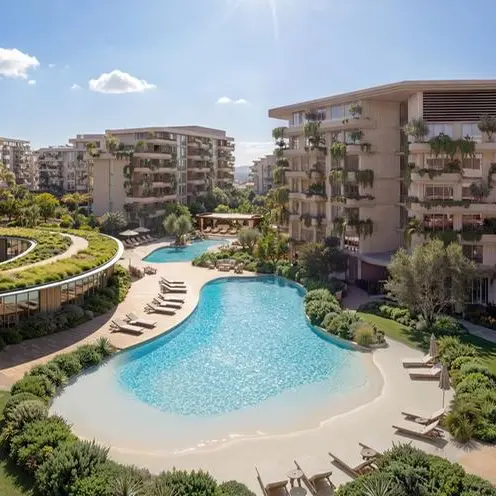
Set to capitalise on the growth of retail tourism, Emaar Properties recently announced plans to expand the 12m-sq-ft Dubai Mall by an additional 1m sq ft. The rise in tourist numbers is also starting to have tangible effects in the hotel and hospitality segments. Developer Nakheel is looking to capitalise on Dubai's growing potential as a tourist destination. In mid-January 2012, Nakheel launched a new "island cruise" facility to Palm Jumeirah and World Island.
Nakheel is also poised to open the first project - and indeed, the first island - of The World archipelago, named "Lebanon Island", which will be a luxury tourist resort home to a 100-seat restaurant, lounge area and a pontoon that can accommodate up to 80-foot yachts. It is hoped that the resort's launch will kick-start the long-delayed developments on the man-made archipelago.
A number of other hotel and hospitality construction projects on Palm Jumeirah - some of which were originally planned before the global downturn in 2008 - are now also going ahead, such as Rixos' Palm property, Mövenpick's Oceana Resort, the Sofitel Spa resort, the Habtoor Island Resort and Spa, and Hilton.
With Dubai's tourist arrivals increasing and retail sales growing across the board, the tourism sector is widely expected to make a good start this year toward reaching its 2015 target.
© Oxford Business Group 2012