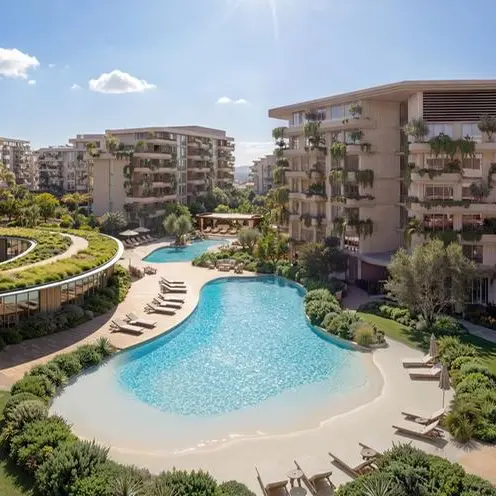
Urbanization has become an inevitable outcome of economic prosperity. By 2050, cities around the world are expected to accommodate around 70% of the population, prompting governments as early as now to look at ways of curbing carbon footprint.
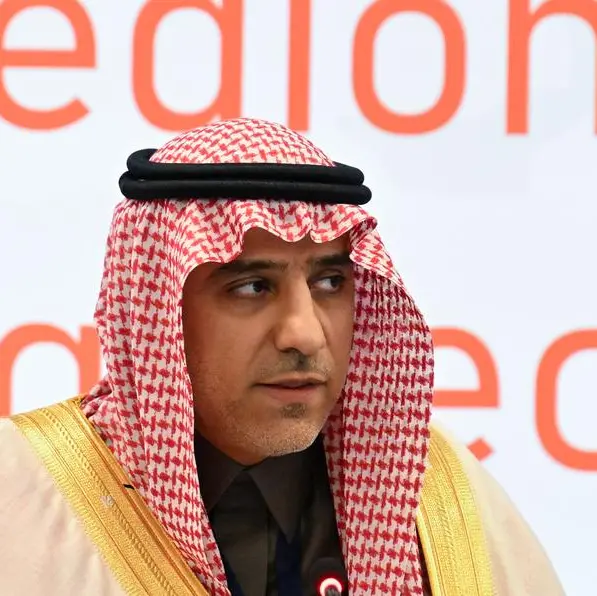
Goktug Gur, Schneider Electric's country president of UAE and Oman, said cities that are making the "smart" transition are those keen to improve their critical systems by combining a bottom-up, systems-centric approach with a top-down, data-centric one.
With over 18 years of experience in the energy management industry, Gur also believes that sustainable urban projects - from electric grids and energy-efficient buildings to water distribution facilities and transportation systems - are crucial to ensuring future generations make the most of city living.
As the world rapidly undergoes a shift towards urban migration, some serious questions related to sustainability, environmental conservation and economic development are being raised.
Gur, however, highlights a more poignant thought: "Will we expand in ways that ensure communities are enjoyable places to live and promote social equality?"
In an interview with Zawya, Gur explains the challenges facing today's industries and how Schneider Electric is responding to these trends. He also gave an update on the sustainability projects Schneider has undertaken within the Middle East, Europe and South America, as well as the strategies they are implementing to cushion any blow to their growth plan amid a relatively volatile global economy.
How do you see the acceleration of construction projects worldwide contributing to the demand for your products and services?
Cities cover just 2% of the world's surface, but they are vital in nurturing the kind of innovation and social interaction that ensure humankind's future. Carbon emissions, however, have been a major concern for many governments seeking to keep their countries clean, healthy, and livable for generations to come.
Progress has its price, which is why governments worldwide are keen to build cities that feature sustainable infrastructure that could support an expanding global population, while at the same time reduce carbon emissions and energy consumption. The International Energy Agency estimates that urban facilities consume a third of the world's energy and around 70% of global electricity. If nations can tackle energy waste at the facility level, then that is a major coup for the environment.
This is where Schneider Electric comes in. We have developed energy management solutions designed to make operations of utilities and infrastructure more efficient while delivering up to 30% energy savings, up to 15% reduction in water losses and up to 20% decrease in travel time and traffic delays.
Apart from the construction sector, what other industries are propelling your growth in the region?
Some of our key growth segments in the region are data centers and networks, which are driven by industries such as information technology, telecommunications, banking and insurance. These segments currently constitute 16% of our global sales and are fast growing in emerging markets including the Middle East.
Our software solution StruxureWare is already making waves in the region as it provides a comprehensive suite offering three overall benefits to make integration easy, deliver a consistent user experience and feature a scalable platform.
How did the recent financial jitters affect your day-to-day operations in the region and what are you doing to get back on track?
While the economic dynamics affecting the Middle East are not the same as in Europe and North America, the connected nature of global trade has had a knock-on effect, as we have witnessed over the past five or so years. But Dubai has been on the road to recovery for some time now and I think the market is cautiously optimistic.
At Schneider Electric, however, we are enacting various measures that are cushioning us against negative developments. The Gulf and the wider Middle East region are extremely crucial to the overall expansion of Schneider Electric, as evidenced by our growth plans.
How is your company addressing the growing clamor for clean energy in the Middle East?
We are at the forefront of providing clean energy solutions globally and have undertaken a number of successful projects in the UAE with Abu Dhabi Department of Transport, Masdar, and Abu Dhabi Municipality, to name a few. Our president and CEO Jean-Pascal Tricoire also recently addressed the Crown Prince Court in Abu Dhabi regarding Schneider Electric's smart city solutions, and how these can help by effectively delivering up to 30% in energy savings.
Furthermore, Schneider Electric has been ranked 26th in the Global 100 Most Sustainable Corporations in the World by Corporate Knights Inc. In the UAE, our efforts for leading efforts in renewable energy and sustainability were recognized with the prestigious Zayed Future Energy Award in 2012.
How do you see digitization contributing to GDP growth and job creation in the region?
The world is being digitized and Schneider Electric is at the forefront of this revolution. We are aiming to be one of the leading pioneers in this transition. Our smart city solutions, for instance, will bridge digital networks resulting in holistic simplified systems. The adoption of green and renewable energy practices will lead to massive job creation throughout the region and across the world and will directly impact GDP growth.
© Zawya 2013