The oil-producing Gulf states are playing an increasing role in climate change politics
Two events in Doha - one current and one future - frame the challenges and opportunities facing the resource-rich Gulf Co-operation Council (GCC) states. The triennial World Petroleum Congress wrapped up on 8 December with a confident prediction that demand for transport fuel will rise by 68 per cent through 2050 and that oil will continue to constitute more than 80 per cent of the global transport sector during the period. Shortly before it began, the United Nations Framework Convention on Climate Change (UNFCCC) announced that its 18th annual Conference of the Parties (COP 18) would take place in Qatar in November 2012. While the hosting of both events feed into Qatar's aggressive global branding strategy, they highlight deeper issues at play in the geopolitics of energy and the international politics of climate change.
Macro shifts in energy consumption and - prospectively - production portend a radical rebalancing in global energy politics. A report from the World Energy Council encapsulated the changes in demand for energy. It forecast that demand for transport fuel would rise by between 200 and 300 per cent in developing countries such as China and India and fall by 20 per cent in developed countries by 2050. Further, it suggested that demand from developing economies would exceed its industrialised counterparts by 2025. This ties in with other indications that China alone would account for 40 per cent of additional demand for Gulf-produced oil through 2030, with almost all increases in Gulf production of oil (and gas) being earmarked for emerging economies.
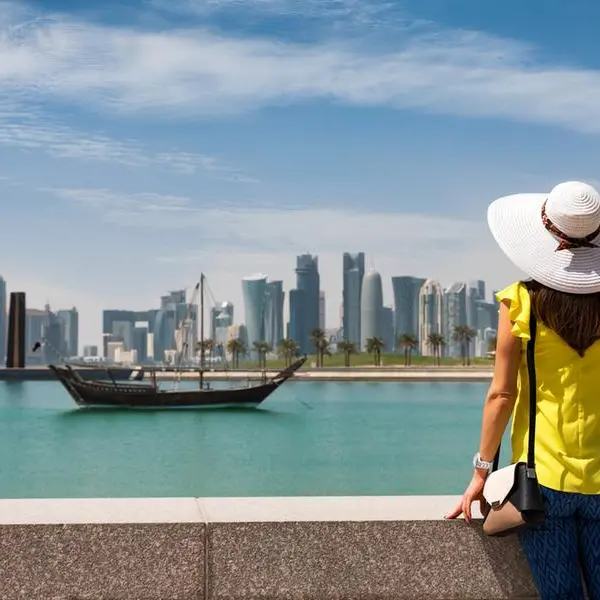
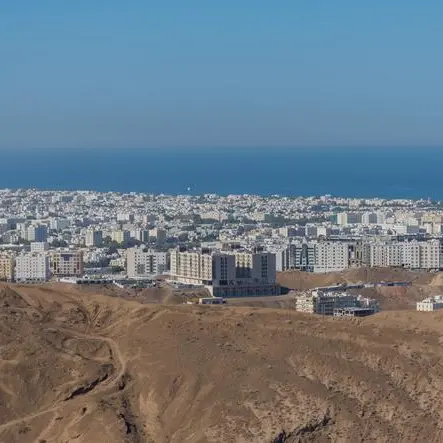
The results of this booming demand for energy can most clearly be seen on the streets of Doha. In 1990, Qatar's population was 300,000 and Doha was a small city on the coast of the Arabian Gulf. Two decades of LNG (liquefied natural gas) development later the population has sextupled to 1.8 million and the capital boasts a Manhattanesque skyline as it prepares to host the 2022 Fifa World Cup. Yet the Gulf states are increasingly being divided into two classes of 'haves' and 'have-nots,' with even oil-rich Kuwait being forced to import natural gas to meet electricity demand. More populous Saudi Arabia and Oman also face looming gas shortages as they grapple with competing requirements from energy-intensive industries and escalating populations. These local and regional disparities in oil and gas reserves are creating new fault-lines that belie perceptions of the GCC states as a monolithic resource-rich club.
Qatar's success in securing the right to host COP 18 - ahead of South Korea - also points to a potentially intriguing regional realignment in international climate change politics. Led by Saudi Arabia and Kuwait, the Gulf states, with the partial exception of Oman, have developed an obstructionist reputation over the years. Successive delegations have focused on the economic stresses of climate change mitigation policies for oil-producers rather than on its environmental impact. Ahead of the landmark Copenhagen conference in 2009, this approach was manifested by Saudi Arabia's chief negotiator, as he stated that proposals to cut carbon emissions and dependence on oil presented a 'very serious threat' to the Gulf oil-producing states.
All this stands to change, at least on the surface, ahead of the Doha COP in November 2012. As host, Qatar will be under pressure to deliver progress toward the (distant) objective of a climate change regime acceptable to all. Moreover, Qatar policy-makers will doubtless wish to use the occasion to bolster their globalist credentials by being seen to bring the different parties together, much as they have tried to do (with varying success) in their various diplomatic mediation efforts. Just as they have carved out a niche in international mediation, so might Qatar attempt in the climate arena, too. Any success would also steal the limelight from neighbouring Abu Dhabi, which hitherto has made the running with its high-profile initiatives in renewable and alternative energies. If Qatar detaches itself from the Saudi-led Gulf position it could lead to a more nuanced regional approach that would overturn two decades of established policy.
Older certainties are thus in a state of flux as hitherto-dominant paradigms of categorising the Gulf break down. They present both difficulties and opportunities for the next phase of integrating regional economies into global structures. The winds of change are blowing through the Gulf, in more ways than one.
© The Gulf 2012