02 May 2012
ACADEMIC research is the key factor in the intellectual cultural, and civil development of mankind. Studies suggest that knowledge, if properly utilised, can maximise the chances of success at all levels.
Here in Oman, the government has long realised the important role of learning and research in the advancement of the country and in tackling challenges in various sectors.
It is no wonder that the government supports academic research in different institutions, in the forefront of which is the Sultan Qaboos University (SQU), being the prime academic institution in the Sultanate that holds aloft the banner of committing itself to delivering excellence, innovation and quality education.
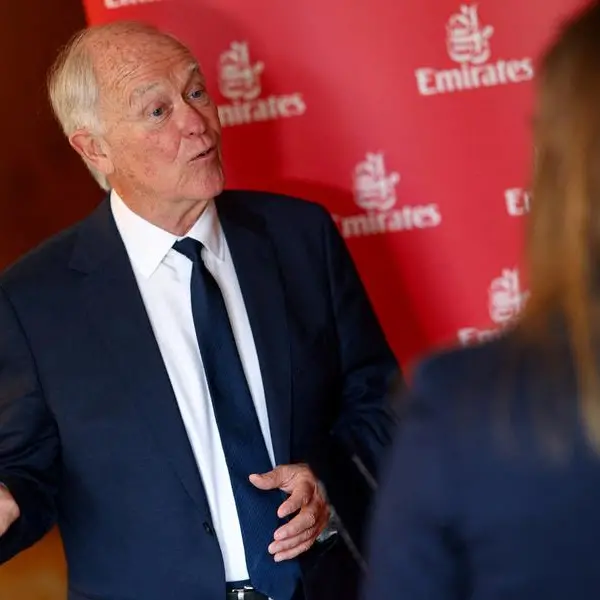
Now, many questions may come to mind about the different aspects of academic research in the university: the kind of achievements that have been made by the university since its inception 25 years ago, the challenges encountered, the role of postgraduate programmes to prepare qualified academic staff, how efficient such programmes are to accommodate to a dynamic labour market, the university's strategic plans and world ranking. These are some of the issues addressed in the following interview with Professor Amer al Rawas (pictured), Deputy Vice-Chancellor for Postgraduate Studies and Research.
How do you consider what has been achieved so far in academic research in the university, now celebrating its silver jubilee?
Prof Amer: The university's research achievements, over the last 25 years, must be appreciated, given that academic research started virtually when internal grants for research projects were allocated for the first time in 1999. Two years later, His Majesty's Strategic Research Fund was launched, followed by research partnerships with the UAE University (UAEU) in 2003, and The Research Council's (TRC) grants in 2010.
In 1995, the university started delivering research consultancies, and so far we have carried out over 1,400 research projects worth about RO 20 million from various sources of funding. The university has established nine research centres covering areas of paramount importance to the Sultanate.
They concern water, environment, communication and information, oil and gas, marine biotechnology, earthquake monitoring, remote sensing and GIS, Omani studies and humanities. Three chairs are established in marine biotechnology, in carbonate studies funded by Shell, and in desalination and nanotechnology funded by TRC.
We have also a considerable number of refereed research papers totalling roughly 78 per cent of the whole output in the Sultanate, and at an annual average of two papers per academic, which seems satisfactory by world standards.
The university also publishes six refereed journals covering medicine, engineering, agricultural and marine sciences, science, arts and social sciences, and education. The SQU Medical Journal and The Journal of Engineering Research have been listed in the SCOPUS database.
The university also provides support to researchers to compile books, sponsors several annual conferences and symposiums, and offers incentives for attending conferences abroad.
So, I believe these academic achievements have contributed to building research capacity of both academics and students and disseminating a research culture.
Also, they have raised awareness as to the significance of research to the progress of society in various fields. As a result, the university has gained an international reputation.
Does the university plan to be research-focused or simply concentrating on teaching and training students to cater for the local market needs?
Prof Amer: As I said, continuing efforts are made to better academic research at the university through raising awareness in this regard, establishing centres and laboratories and recruiting experts. At the moment, the university is embarking on setting its strategic plan until 2025.
Accordingly, it has sought the opinions of the local community, university and world experts and surveyed successful experiences of international institutions. The aim was to benefit from those views and engage everyone in drawing up the future of this university.
As to what approach the university will follow, the main committee in charge of preparing the strategic plan are considering a number of options, ie a teaching, research, business-initiator, or civil university.
But I can say that more attention will be paid to academic research in the forthcoming years.
The university is apparently ahead of other academic institutions in the Sultanate when it comes to the volume of research output. Don't you think that the university, being the only government academic institution in Oman, should contribute to their research building? And how do you see the relation between the university and other institutions in the Sultanate and abroad?
Prof Amer: SQU has established links with other institutions, as it recognises its crucial role in paving the way for an academic scholarship tradition which would nurture research output and contribute to the progress and development of the Sultanate at all levels.
There is mutual co-operation between the university and TRC, which includes funding an SQU chair in desalination and nanotechnology and 22 research projects. In fact, we are proud of this relationship and seek to strengthen it so as to enhance research in the Sultanate.
On the other hand, the university maintains collaboration with some public and private institutions of higher education, but we need closer relations.
The issue is that they were only recently established and, so, they are mainly concerned with teaching. Reaching out to those institutions through forging partnerships with them depends on whether they are ready to go into such joint ventures.
SQU will always welcome such an effort whether through publishing in SQU's refereed journals, attending SQU conferences, taking part in research projects, or jointly supervising Masters students.
University ranking has raised a lot of questions. How would you characterise it, and how is it related to academic research?
Prof Amer: University ranking has attracted a lot of attention regionally and internationally. This is evident in the conferences and workshops held every year and the increasing number of papers published in this respect. There are several university world rankings, the best known being the Academic Ranking of World Universities (ARWU), commonly known as the Shanghai ranking, and the Times Higher Education (THE) ranking.
The former is largely academic and research oriented. It uses a methodology based on a number of indicators related to alumni and staff of an institution winning Nobel prizes, highly cited researchers and papers published in leading journals.
The 'THE', however, is more comprehensive as it considers such indicators as a university's academic standing through surveys covering academics from different universities, employers, ratio of students to staff, citation impact, ratio of international to domestic staff, and ratio of international to domestic students.
A third one is Webometrics ranking of world universities which uses university online information such as documents and external links.
As to your question, it is clear that the two major rankings, the Shanghai and the THE, focus on research quality and quantity being an important factor that determines the world standing of universities and countries. Therefore, SQU has set a strategic plan for this issue under the supervision of Her Highness Dr Mona bint Fahd al Said, Assistant Vice- Chancellor for External Co-operation.
We encourage university staff to publish in reputed journals, and provide funding for research projects.
As we all know, the university was established a couple of decades ago and the research tradition virtually started in 1999 when funding came from the university and other sources.
Now, we are moving forward confidently to promoting the academic research sector in the university through setting ambitious strategic plans, which would ultimately improve the SQU world ranking, God willing.
SQU has devised its 2009-2013 strategy so as to become one of the top three universities in the region by 2013. How would you see that happening?
Prof Amer: All universities seek to enhance their standing, which is quite normal. As far as SQU is concerned, we have done our best to improve the quality of our graduates at all levels, and I can say with full confidence that SQU is a leading university in the region. This is evident in the quality academic programmes it offers, some of which have received international accreditation.
It is also shown through the recruitment of our graduates in the region-based international companies, employer satisfaction with SQU graduate skills, and quality research output in various scientific fields. Therefore, we are determined to attain the goals at this stage in the life of our university.
Figures of funding and research output suggest differences between the humanities and science-based colleges. How equivalent is the funding for both tracks?
Prof Amer: SQU provides financial support for all researchers, both in the humanities and science-based colleges. There are also internal grants, His Majesty's Strategic Research Fund, TRC grants, grants for research partnerships with the UAE University, and external consultancies.
The university internal grants total RO 500,000 allocated to all colleges based on the number of research projects submitted. The science-based colleges receive RO 75,000 each, while the humanities colleges get RO 30,000-45,000 each.
The difference is attributable to the additional needs of the science-based colleges for equipment and devices for research purposes. However, the support provided for humanities colleges meets their demands at this stage, and we are keen to raise it in case they need that.
The support from His Majesty's Strategic Research Fund depends on the annual number of projects submitted and has nothing to do with the colleges or the ceiling of funding for such projects.
It is also related to the objectives and quality of projects. In the last few years, the funding for some projects was over RO 100,000. The ceiling of TRC's grants is set by the nature and goals of a project.
An external consultancy is a contract between a researcher and a funding agency.
What opportunities can the university offer to external assistant researchers to benefit from the support from His Majesty's Strategic Research Fund?
Prof Amer: There are opportunities available for such researchers to take part in strategic research projects, which can last for up to three years and have over RO 100,000 in funding. Compared to other projects, they have broader research objectives and involve SQU staff with a PhD or Masters.
Based on the nature of the project, the staff can seek assistance from external researchers in government ministries, or other Omanis or non-Omanis working in the private sector.
Postgraduate programmes establish the academic position of a university. Do you see such programmes at SQU assuming this role?
Prof Amer: Continuing efforts are made to enhance postgraduate studies at the university both in terms of quality and quantity, so as to cope with the rapid changes in different development aspects in the Sultanate, and to prepare highly qualified people.
At present, the university offers Masters and doctoral programmes in diverse disciplines for students coming from different walks of life in order to promote human resources within the overall development plan in the Sultanate.
It has witnessed great progress in this field and will work in full swing to cater for the local market needs for different scientific specialties. The university offers 57 Masters and 28 PhD programmes, and there are plans to open new programmes.
The admission average requirement is seen as a hurdle to join a postgraduate programme, especially for those who want to study and get the funding required. How do you comment on this?
Prof Amer: This requirement is up to international standards adopted by regional and world universities. SQU pays much attention to the quality assurance of its programmes, looking forward to assuming a higher position on international rankings. To that end, the university seeks to realise the aspirations of His Majesty Sultan Qaboos so that it moves on and becomes a world-class institution.
As you know, some academic programmes, like engineering and medicine, are accredited by world accreditation agencies, while others are working on that. Therefore, quality assurance requires that the university keep the admission average condition as applicable.
SQU is a public institution, yet the postgraduate tuition fees are a bit high. How would you comment on this, and are there any plans to reduce the fees?
Prof Amer: If you look at other private universities, and even public ones in other countries, you will see that our fees are comparatively reasonable. Still, there is no intention to put down the fees at this stage. As you know, the university offers some 100 grants for masters and PhD students including a fee waiver and monthly salary for teaching ten hours/week. The purpose is to attract the best candidates for postgraduate programmes.
Postgraduate students wonder if there are any plans to provide them with on-campus facilities, such as accommodation or computer labs.
Prof Amer: SQU seeks to secure an academic atmosphere suitable for all students, including postgraduate students. Now, postgraduate female students are offered on-campus accommodation for a very reasonable charge, while male students are assisted by the university to find a place off-campus on their account. Computer labs are accessible to all students in colleges and centres.
Postgraduate law students wonder why law tuition rates are equal to those for the sciences, despite that the College of Law is one of the humanities colleges.
Prof Amer: Just like any other programme in medicine, engineering, or accounting, the masters programme at the College of law involves enhancing specific professional or vocational skills. So, the fees are the same, although it is a humanities college. Ultimately, the rates are not determined by the name of a college, rather it is more to do with the costs of Masters and PhD programmes.
What are the chances for postgraduate students to contribute to academic research?
Prof Amer: The university is keen to engage all Masters and PhD students in research projects in order to sustain national research capacity building. Such projects are so important as they involve scholars with interdisciplinary backgrounds and offer them unique opportunities to acquire academic experience in diverse areas of high significance to the Sultanate.
Therefore, the university is eager to involve both postgraduate students in research work and undergraduate students in some projects if needed. A project may require the assistance of about 10-15 researchers.
How useful is the exchange student programme, Erasmus Mundus, with the European Union?
Prof Amer: Erasmus Mundus is a partnership between six Gulf-based universities, on one hand, namely University of Qatar, University of Kuwait, University of Bahrain, UAEU, SQU, University of Nizwa and King Abdullah University of Science and Technology, and, on the other hand, five EU universities, that is, Lund University (Sweden), University of Deusto (Spain), University of Dublin (Ireland), Berlin University of Technology (Germany), and University of Lille (France). In 2011/2012, SQU was granted nine scholarships for PhD, four for Masters, one at the Post-doctoral level, and four for short-term faculty exchange.
The EU-funded programme includes other advantages such as the opportunities it offers for joint research collaboration, recognising EU universities' academic research experience, learning more about the European cultures, and promoting co-operation between the Sultanate and EU countries. SQU has invited a number of scholars from the EU on short-term programmes of Arabic, History, Geology, Remote Sensing and GIS.
The university publishes many books and journals, but they are not available at local bookshops. Does the university have any plans to open sales outlets for such publications?
Prof Amer: SQU, through the Department of Academic Publishing and Outreach, has provided adequate supplies of publications to private bookstores and public libraries. It will always make its publications accessible to all readers. Currently, there is a detailed plan to open book sales outlets in major bookstores in most of the cities in Oman. Books will be available for everyone for nominal prices. The project will be in place later this year.
Finally, the university is drafting its long-term 2013-2025 strategic plan. Can you reflect on any real benefits the plan might add to the academic performance at the university?
Prof Amer: Sure, there are several advantages that can be mentioned here. The university's 2009-2013 strategic plan has been drawn on the basis of SWOT analysis technique, the recommendations of the international assessment team who visited SQU in 2005, and strategic reports from the colleges.
However, the plan, which is being worked out for 2013-2025, is based on the following sources:
-- Opinions of SQU staff and students as well as the Omani community
-- Successful experiences, particularly those of world ranked universities
-- Working papers submitted to SQU by experts in higher education and strategic planning
-- The results of environmental scanning in higher education which identified factors that could activate higher education in the future.
Therefore, such a plan will make an essential contribution to the SQU academic research efforts, bringing together successful experiences and approaches of international universities and feedbacks from the Omani community.
It will also focus on diverse research areas of high significance to the Sultanate, and support academic research across the board. Hopefully, academic research will gain ground through enhancing the infrastructures of research centres and increasing the number of research chairs, researchers and postgraduate students.
ACADEMIC research is the key factor in the intellectual cultural, and civil development of mankind. Studies suggest that knowledge, if properly utilised, can maximise the chances of success at all levels.
Here in Oman, the government has long realised the important role of learning and research in the advancement of the country and in tackling challenges in various sectors.
It is no wonder that the government supports academic research in different institutions, in the forefront of which is the Sultan Qaboos University (SQU), being the prime academic institution in the Sultanate that holds aloft the banner of committing itself to delivering excellence, innovation and quality education.
Now, many questions may come to mind about the different aspects of academic research in the university: the kind of achievements that have been made by the university since its inception 25 years ago, the challenges encountered, the role of postgraduate programmes to prepare qualified academic staff, how efficient such programmes are to accommodate to a dynamic labour market, the university's strategic plans and world ranking. These are some of the issues addressed in the following interview with Professor Amer al Rawas (pictured), Deputy Vice-Chancellor for Postgraduate Studies and Research.
How do you consider what has been achieved so far in academic research in the university, now celebrating its silver jubilee?
Prof Amer: The university's research achievements, over the last 25 years, must be appreciated, given that academic research started virtually when internal grants for research projects were allocated for the first time in 1999. Two years later, His Majesty's Strategic Research Fund was launched, followed by research partnerships with the UAE University (UAEU) in 2003, and The Research Council's (TRC) grants in 2010.
In 1995, the university started delivering research consultancies, and so far we have carried out over 1,400 research projects worth about RO 20 million from various sources of funding. The university has established nine research centres covering areas of paramount importance to the Sultanate.
They concern water, environment, communication and information, oil and gas, marine biotechnology, earthquake monitoring, remote sensing and GIS, Omani studies and humanities. Three chairs are established in marine biotechnology, in carbonate studies funded by Shell, and in desalination and nanotechnology funded by TRC.
We have also a considerable number of refereed research papers totalling roughly 78 per cent of the whole output in the Sultanate, and at an annual average of two papers per academic, which seems satisfactory by world standards.
The university also publishes six refereed journals covering medicine, engineering, agricultural and marine sciences, science, arts and social sciences, and education. The SQU Medical Journal and The Journal of Engineering Research have been listed in the SCOPUS database.
The university also provides support to researchers to compile books, sponsors several annual conferences and symposiums, and offers incentives for attending conferences abroad.
So, I believe these academic achievements have contributed to building research capacity of both academics and students and disseminating a research culture.
Also, they have raised awareness as to the significance of research to the progress of society in various fields. As a result, the university has gained an international reputation.
Does the university plan to be research-focused or simply concentrating on teaching and training students to cater for the local market needs?
Prof Amer: As I said, continuing efforts are made to better academic research at the university through raising awareness in this regard, establishing centres and laboratories and recruiting experts. At the moment, the university is embarking on setting its strategic plan until 2025.
Accordingly, it has sought the opinions of the local community, university and world experts and surveyed successful experiences of international institutions. The aim was to benefit from those views and engage everyone in drawing up the future of this university.
As to what approach the university will follow, the main committee in charge of preparing the strategic plan are considering a number of options, ie a teaching, research, business-initiator, or civil university.
But I can say that more attention will be paid to academic research in the forthcoming years.
The university is apparently ahead of other academic institutions in the Sultanate when it comes to the volume of research output. Don't you think that the university, being the only government academic institution in Oman, should contribute to their research building? And how do you see the relation between the university and other institutions in the Sultanate and abroad?
Prof Amer: SQU has established links with other institutions, as it recognises its crucial role in paving the way for an academic scholarship tradition which would nurture research output and contribute to the progress and development of the Sultanate at all levels.
There is mutual co-operation between the university and TRC, which includes funding an SQU chair in desalination and nanotechnology and 22 research projects. In fact, we are proud of this relationship and seek to strengthen it so as to enhance research in the Sultanate.
On the other hand, the university maintains collaboration with some public and private institutions of higher education, but we need closer relations.
The issue is that they were only recently established and, so, they are mainly concerned with teaching. Reaching out to those institutions through forging partnerships with them depends on whether they are ready to go into such joint ventures.
SQU will always welcome such an effort whether through publishing in SQU's refereed journals, attending SQU conferences, taking part in research projects, or jointly supervising Masters students.
University ranking has raised a lot of questions. How would you characterise it, and how is it related to academic research?
Prof Amer: University ranking has attracted a lot of attention regionally and internationally. This is evident in the conferences and workshops held every year and the increasing number of papers published in this respect. There are several university world rankings, the best known being the Academic Ranking of World Universities (ARWU), commonly known as the Shanghai ranking, and the Times Higher Education (THE) ranking.
The former is largely academic and research oriented. It uses a methodology based on a number of indicators related to alumni and staff of an institution winning Nobel prizes, highly cited researchers and papers published in leading journals.
The 'THE', however, is more comprehensive as it considers such indicators as a university's academic standing through surveys covering academics from different universities, employers, ratio of students to staff, citation impact, ratio of international to domestic staff, and ratio of international to domestic students.
A third one is Webometrics ranking of world universities which uses university online information such as documents and external links.
As to your question, it is clear that the two major rankings, the Shanghai and the THE, focus on research quality and quantity being an important factor that determines the world standing of universities and countries. Therefore, SQU has set a strategic plan for this issue under the supervision of Her Highness Dr Mona bint Fahd al Said, Assistant Vice- Chancellor for External Co-operation.
We encourage university staff to publish in reputed journals, and provide funding for research projects.
As we all know, the university was established a couple of decades ago and the research tradition virtually started in 1999 when funding came from the university and other sources.
Now, we are moving forward confidently to promoting the academic research sector in the university through setting ambitious strategic plans, which would ultimately improve the SQU world ranking, God willing.
SQU has devised its 2009-2013 strategy so as to become one of the top three universities in the region by 2013. How would you see that happening?
Prof Amer: All universities seek to enhance their standing, which is quite normal. As far as SQU is concerned, we have done our best to improve the quality of our graduates at all levels, and I can say with full confidence that SQU is a leading university in the region. This is evident in the quality academic programmes it offers, some of which have received international accreditation.
It is also shown through the recruitment of our graduates in the region-based international companies, employer satisfaction with SQU graduate skills, and quality research output in various scientific fields. Therefore, we are determined to attain the goals at this stage in the life of our university.
Figures of funding and research output suggest differences between the humanities and science-based colleges. How equivalent is the funding for both tracks?
Prof Amer: SQU provides financial support for all researchers, both in the humanities and science-based colleges. There are also internal grants, His Majesty's Strategic Research Fund, TRC grants, grants for research partnerships with the UAE University, and external consultancies.
The university internal grants total RO 500,000 allocated to all colleges based on the number of research projects submitted. The science-based colleges receive RO 75,000 each, while the humanities colleges get RO 30,000-45,000 each.
The difference is attributable to the additional needs of the science-based colleges for equipment and devices for research purposes. However, the support provided for humanities colleges meets their demands at this stage, and we are keen to raise it in case they need that.
The support from His Majesty's Strategic Research Fund depends on the annual number of projects submitted and has nothing to do with the colleges or the ceiling of funding for such projects.
It is also related to the objectives and quality of projects. In the last few years, the funding for some projects was over RO 100,000. The ceiling of TRC's grants is set by the nature and goals of a project.
An external consultancy is a contract between a researcher and a funding agency.
What opportunities can the university offer to external assistant researchers to benefit from the support from His Majesty's Strategic Research Fund?
Prof Amer: There are opportunities available for such researchers to take part in strategic research projects, which can last for up to three years and have over RO 100,000 in funding. Compared to other projects, they have broader research objectives and involve SQU staff with a PhD or Masters.
Based on the nature of the project, the staff can seek assistance from external researchers in government ministries, or other Omanis or non-Omanis working in the private sector.
Postgraduate programmes establish the academic position of a university. Do you see such programmes at SQU assuming this role?
Prof Amer: Continuing efforts are made to enhance postgraduate studies at the university both in terms of quality and quantity, so as to cope with the rapid changes in different development aspects in the Sultanate, and to prepare highly qualified people.
At present, the university offers Masters and doctoral programmes in diverse disciplines for students coming from different walks of life in order to promote human resources within the overall development plan in the Sultanate.
It has witnessed great progress in this field and will work in full swing to cater for the local market needs for different scientific specialties. The university offers 57 Masters and 28 PhD programmes, and there are plans to open new programmes.
The admission average requirement is seen as a hurdle to join a postgraduate programme, especially for those who want to study and get the funding required. How do you comment on this?
Prof Amer: This requirement is up to international standards adopted by regional and world universities. SQU pays much attention to the quality assurance of its programmes, looking forward to assuming a higher position on international rankings. To that end, the university seeks to realise the aspirations of His Majesty Sultan Qaboos so that it moves on and becomes a world-class institution.
As you know, some academic programmes, like engineering and medicine, are accredited by world accreditation agencies, while others are working on that. Therefore, quality assurance requires that the university keep the admission average condition as applicable.
SQU is a public institution, yet the postgraduate tuition fees are a bit high. How would you comment on this, and are there any plans to reduce the fees?
Prof Amer: If you look at other private universities, and even public ones in other countries, you will see that our fees are comparatively reasonable. Still, there is no intention to put down the fees at this stage. As you know, the university offers some 100 grants for masters and PhD students including a fee waiver and monthly salary for teaching ten hours/week. The purpose is to attract the best candidates for postgraduate programmes.
Postgraduate students wonder if there are any plans to provide them with on-campus facilities, such as accommodation or computer labs.
Prof Amer: SQU seeks to secure an academic atmosphere suitable for all students, including postgraduate students. Now, postgraduate female students are offered on-campus accommodation for a very reasonable charge, while male students are assisted by the university to find a place off-campus on their account. Computer labs are accessible to all students in colleges and centres.
Postgraduate law students wonder why law tuition rates are equal to those for the sciences, despite that the College of Law is one of the humanities colleges.
Prof Amer: Just like any other programme in medicine, engineering, or accounting, the masters programme at the College of law involves enhancing specific professional or vocational skills. So, the fees are the same, although it is a humanities college. Ultimately, the rates are not determined by the name of a college, rather it is more to do with the costs of Masters and PhD programmes.
What are the chances for postgraduate students to contribute to academic research?
Prof Amer: The university is keen to engage all Masters and PhD students in research projects in order to sustain national research capacity building. Such projects are so important as they involve scholars with interdisciplinary backgrounds and offer them unique opportunities to acquire academic experience in diverse areas of high significance to the Sultanate.
Therefore, the university is eager to involve both postgraduate students in research work and undergraduate students in some projects if needed. A project may require the assistance of about 10-15 researchers.
How useful is the exchange student programme, Erasmus Mundus, with the European Union?
Prof Amer: Erasmus Mundus is a partnership between six Gulf-based universities, on one hand, namely University of Qatar, University of Kuwait, University of Bahrain, UAEU, SQU, University of Nizwa and King Abdullah University of Science and Technology, and, on the other hand, five EU universities, that is, Lund University (Sweden), University of Deusto (Spain), University of Dublin (Ireland), Berlin University of Technology (Germany), and University of Lille (France). In 2011/2012, SQU was granted nine scholarships for PhD, four for Masters, one at the Post-doctoral level, and four for short-term faculty exchange.
The EU-funded programme includes other advantages such as the opportunities it offers for joint research collaboration, recognising EU universities' academic research experience, learning more about the European cultures, and promoting co-operation between the Sultanate and EU countries. SQU has invited a number of scholars from the EU on short-term programmes of Arabic, History, Geology, Remote Sensing and GIS.
The university publishes many books and journals, but they are not available at local bookshops. Does the university have any plans to open sales outlets for such publications?
Prof Amer: SQU, through the Department of Academic Publishing and Outreach, has provided adequate supplies of publications to private bookstores and public libraries. It will always make its publications accessible to all readers. Currently, there is a detailed plan to open book sales outlets in major bookstores in most of the cities in Oman. Books will be available for everyone for nominal prices. The project will be in place later this year.
Finally, the university is drafting its long-term 2013-2025 strategic plan. Can you reflect on any real benefits the plan might add to the academic performance at the university?
Prof Amer: Sure, there are several advantages that can be mentioned here. The university's 2009-2013 strategic plan has been drawn on the basis of SWOT analysis technique, the recommendations of the international assessment team who visited SQU in 2005, and strategic reports from the colleges.
However, the plan, which is being worked out for 2013-2025, is based on the following sources:
-- Opinions of SQU staff and students as well as the Omani community
-- Successful experiences, particularly those of world ranked universities
-- Working papers submitted to SQU by experts in higher education and strategic planning
-- The results of environmental scanning in higher education which identified factors that could activate higher education in the future.
Therefore, such a plan will make an essential contribution to the SQU academic research efforts, bringing together successful experiences and approaches of international universities and feedbacks from the Omani community.
It will also focus on diverse research areas of high significance to the Sultanate, and support academic research across the board. Hopefully, academic research will gain ground through enhancing the infrastructures of research centres and increasing the number of research chairs, researchers and postgraduate students.
© Oman Daily Observer 2012