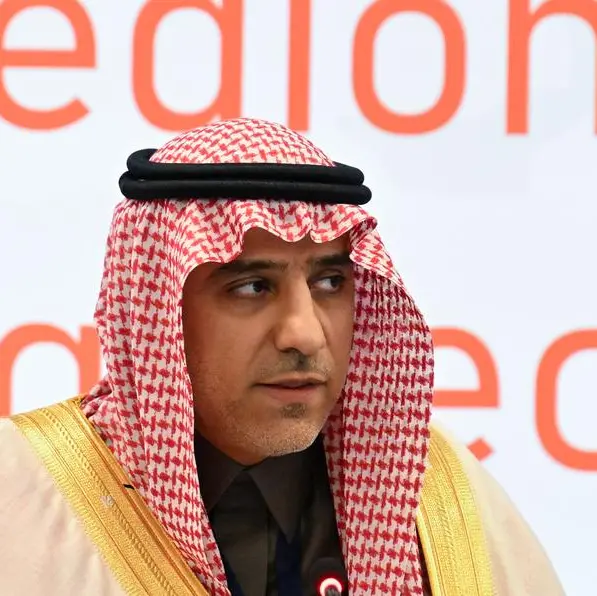
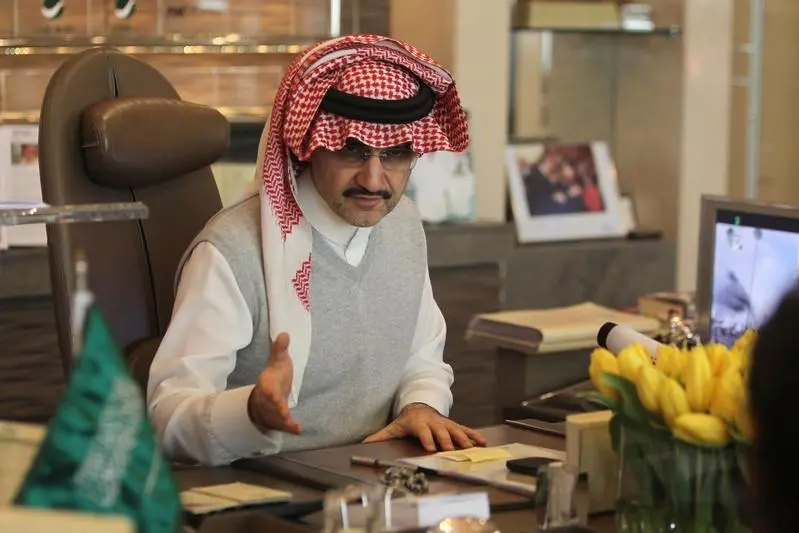
Sharjahs status as a global industrial, manufacturing and trading hub is well recognised, and perhaps nowhere are its strategic advantages more evident than in the Sharjah Airport International Free Zone (SAIF Zone) and Hamriyah Free Zone Authority (HFZA), home to thousands of companies.Dr Rashid Alleem is the director general of the government department responsible for the emirates seaports, customs and the Sharjah free zones authority, with responsibility for SAIF Zone and HFZA.A hands-on technocrat with a staff of 3,000, Dr Alleem is tasked to facilitate commercial opportunities, attract foreign direct investment (FDI), implement green and environmentally-friendly best practices and cut through the proverbial bureaucratic red tape to sell the Sharjah value proposition. Industry and manufacturing have long been key drivers for Sharjahs economy, with more than 30 per cent of the UAEs industrial units located in the emirate. Sharjahs manufacturing sector contributes 48 per cent of the UAEs total industrial revenue, a sizeable amount of GDP. Sharjahs laissez faire approach to private business, albeit with robust best practices and sustainable environmental protocols, continue to serve the emirate well. This free trade approach to business, with minimal bureaucracy and interference, has led to Sharjahs emergence as the preferred place to do business in the UAE. Its free zones provide 100 per cent foreign ownership, full repatriation of capital and profits and no personal and corporate income tax, no import or export duties, no restrictions on hiring expatriate workers and a license can literally be issued in a day. SAIF Zone, acknowledged as the Middle Easts fastest-growing free zone, is the centrepiece of Sharjahs free trade commitment, and one of the best established free zones in the region. Next to Sharjah airport and its cargo and freight logistics infrastructure, it has come a long way since 1995, when it had just 55 companies. Today, there are more than 5,500 covering manufacturing, trading, aviation and IT services, media, consumer durables and many others. At Hamriyah, with its 14 metre deep port facilities, seven large-scale industrial zones cover oil and gas, petrochemicals, construction, marine industries, steel, timber and perfumes. Sharjah-born Dr Alleem was personally selected by His Highness Dr Shaikh Sultan bin Mohammed al Qassimi, Sharjahs ruler, to further develop the emirates industrial infrastructure and credentials. We have now exceeded a total of 11,000 companies representing 153 different nationalities [in the two zones]. You could easily declare the establishment of a second United Nations charter here! he states.You have strategic offices, indicating that Sharjah is considered a safe haven for companies and their investments. They are also close to their customers as we have a catchment of two billion people across the GCC, MENA, the CIS, Asia, the Mediterranean and Europe, he adds.According to Dr Alleem, the value proposition for new businesses in the two zones includes what he calls the Triple S of service, safety and security.These are the three prime attractions for any investments to come into any country. We provide these services but it is also about the security of the country and the safety of the facilities. But, we have to be effective in our marketing strategies, as it is very tough when it comes to free zones. The [free zones] market is really competitive as you need to convince people about what we are providing and have a mind-set to deal with different cultures and nationalities. We are looking to attract the world because globalisation is a fact. What we are doing here is globalisation and localisation and all companies need to think deeply of where they are positioned geographically as no country lives in isolation now. You have to develop a broad mindset and think globally on why Brazilians, for example, will consider Sharjah. It is about the expectation of the business opportunities, security of the investment as money does not have a religion - it looks for a safe haven. We also have to factor in that there are more than 6,000 free zones globally now, so competition is tough, he continues. Dr Alleem is proud of what Sharjah is achieving in adding value to business opportunities but wants to further enhance the marketing aspect of his free zones. Branding a nation is not an easy thing to do. In Sharjah we are talking about strict pricing strategies with no hidden charges where everything is transparent and written. This is the reason people and companies invest with a trustworthy organisation that they feel good about. We also encourage a philosophy of integration which is lacking in most of the other free zones. If you bring a perfume company into the free zone you have to make sure that the filling and packaging companies are nearby. You have to look in detail into the integration theme, he continues. Dr Alleem instructs his staff to be market savvy and have the necessary business intelligence to be able to bring customers to Sharjah.Whenever you travel for a road show or promotion I make sure my team goes into factories, visit plants, understand the processes and what is really needed - whether it is labour intensive or technology-driven. We also ask whether it is an environmentally-friendly potential investment, he continues. Dr Alleem believes in benchmarking activities and success of the free zones and has high expectations for growth. A recent report on the economic zones of the future ranked by foreign direct investment (FDI) placed SAIF Zone at 19 and Hamriyah at 20 out of thousands of free zones around the world.When I was appointed in March 2000 we had 76 companies in Hamriyah and now I am talking about 6,000 - you can really see the heavy industries, petrochemicals and energy coming in. We have about 30 per cent global investors and I am really proud of the quality of these investors, many of which are listed in global markets in Europe, London and Asia.Industrialisation gives our economy value added but we are selective. We have rejected many companies looking to invest in Sharjah because they fail to meet our green certification and sustainable development criteria. We have strict processes in that if you bring industry to us then it has to run the risk assessment, our international best practices and through our environmental department. We have our own team to make sure new projects are environmentally-friendly and meet our sustainability criteria before a project is accepted, he continues. Since the global economic crisis Dr Alleem has stepped up his departments marketing and promotional efforts. We have tripled our marketing programmes and placed a lot of effort in penetrating new markets and put more focus on the markets we know. In Singapore, for example, previously we went twice a year but have now doubled our efforts to create more exposure. We sit and engage with customers to understand their expectations. We keep pushing forward and we know that we have to run through the crisis as we need to keep focusing, he concludes.
Pushing private sector enterprise
Sharjahs status as a global industrial, manufacturing and trading hub is well recognized, and perhaps nowhere are its strategic advantages more evident than in the Sharjah Airport International Free Zone (SAIF Zone) and Hamriyah Free Zone Authority (HFZA), home to thousands of companies
May 1, 2013