01 December 2012
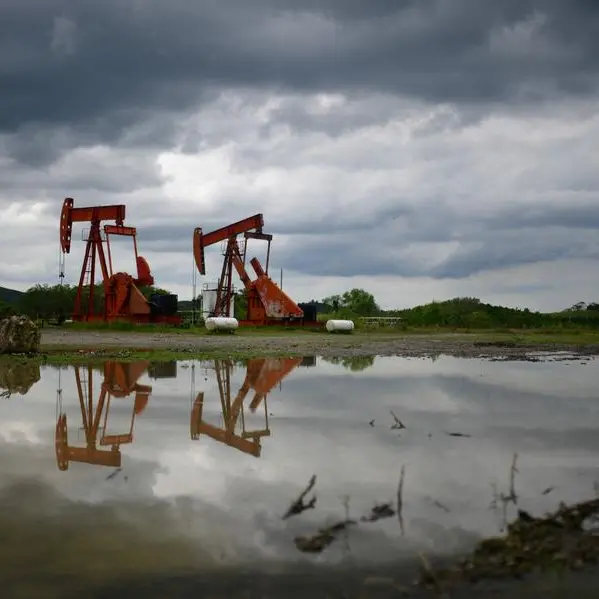
MUSCAT -- Gas flaring has been on the downtrend in the Sultanate -- the result of a concerted effort by the Ministry of Oil and Gas requiring gas producers to capture -- rather than flare -- this increasingly valuable energy resource.
According to figures released by The World Bank's Global Gas Flaring Reduction (GGFR) Partnership, flared volumes for Oman have been estimated at 1.6 billion cubic metres (bcm) in 2011. The figure, based on satellite data, has remained unchanged from the previous year's estimate of 1.6 bcm, which in turn is significantly lower that the 2009 volume of 1.9 bcm. For 2007 and 2008, wasted gas volumes flared by the Sultanate were estimated at 2.0 bcm for either year.
The declining trend assumes significance from several standpoints. The Sultanate is still ranked among the world's top 20 gas flaring nations - a reputation the government is eager to shake off in light of its otherwise impeccable environmental credentials. Gas flaring is seen as an important contributor to greenhouse gas emissions (GHG), the principal cause of climate change and global warming.
More recently, participants at the Climate Change Summit held in Qatar last week, branded the GCC bloc, which includes Oman, as one of the biggest generators of carbon dioxide. Citing 2009 figures published by the US-based Carbon Dioxide Informational Analysis Centre, they ranked the six Gulf states as among the top 15 producers of the greenhouse gas.
According to experts, however, the Sultanate has been taking measures to rein in greenhouse causing emissions, notably through the pursuit of a zero-flaring policy. In line with the Oil and Gas Ministry's directives on this score, all the major gas producers in the Sultanate have since adopted steps to progressively reduce gas flaring and bring the resource to market instead.
Petroleum Development Oman (PDO), which accounts for the lion's share of natural gas currently produced in the Sultanate, has already made significant strides in reducing flaring from within its Block 6 concession. Through a series of gas conservation measures, the company has successfully captured substantial volumes of natural gas that would otherwise be flared through such measures as the installation of well controllers, improved gas compression control systems, and so on.
More recently, PDO announced dramatic gains in reducing the amount of gas used to fuel its operations despite the increasing amounts of water being produced by its ageing fields. As a result of improved energy efficiency practices, the amount of gas used for energy has fallen from around 12 million cubic metres per day in 2005 to 8.4 million cubic metres per day in 2011, the company said.
Occidental of Oman's Flare Reduction Project in its Block 9 concession in northern Oman has also been paying dividends, while energy giant BP has been channelling its appraisal gas from the Khazzan-Makarem field into the government gas grid.
More recently, Daleel Petroleum Company announced that it had successfully managed to reduce gas flaring by investing in two projects: the gas plant to produce Liquefied Petroleum Gas (LPG) and Natural Liquid Gas (NLG).
Significantly, gas flaring is one of several key topics that will be discussed at the 2012 Gas Arabia Summit, which opens in Muscat tomorrow, December 2. Organised by The Energy Exchange, the three-day event aims to address all the issues and provide a blueprint on how to mitigate challenges and build a thriving gas industry.
The final day of the Gas Arabia Summit will be dedicated to Gas Flaring. The latest facts with regard to wasting this valuable resource will be provided by experts from Salalah Methanol Company, Oman LNG and Daleel Petroleum.
Speakers will share presentations on the strategies and technologies to reduce flaring. In addition, leading experts will participate in roundtable discussions to explore: market alternatives to avoid flaring when well cleaning; the potential for EOR gas rejuvenation; the incentives needed to turn waste into revenue; how much fuel could be produced by non-flared gas; and more.
MUSCAT -- Gas flaring has been on the downtrend in the Sultanate -- the result of a concerted effort by the Ministry of Oil and Gas requiring gas producers to capture -- rather than flare -- this increasingly valuable energy resource.
According to figures released by The World Bank's Global Gas Flaring Reduction (GGFR) Partnership, flared volumes for Oman have been estimated at 1.6 billion cubic metres (bcm) in 2011. The figure, based on satellite data, has remained unchanged from the previous year's estimate of 1.6 bcm, which in turn is significantly lower that the 2009 volume of 1.9 bcm. For 2007 and 2008, wasted gas volumes flared by the Sultanate were estimated at 2.0 bcm for either year.
The declining trend assumes significance from several standpoints. The Sultanate is still ranked among the world's top 20 gas flaring nations - a reputation the government is eager to shake off in light of its otherwise impeccable environmental credentials. Gas flaring is seen as an important contributor to greenhouse gas emissions (GHG), the principal cause of climate change and global warming.
More recently, participants at the Climate Change Summit held in Qatar last week, branded the GCC bloc, which includes Oman, as one of the biggest generators of carbon dioxide. Citing 2009 figures published by the US-based Carbon Dioxide Informational Analysis Centre, they ranked the six Gulf states as among the top 15 producers of the greenhouse gas.
According to experts, however, the Sultanate has been taking measures to rein in greenhouse causing emissions, notably through the pursuit of a zero-flaring policy. In line with the Oil and Gas Ministry's directives on this score, all the major gas producers in the Sultanate have since adopted steps to progressively reduce gas flaring and bring the resource to market instead.
Petroleum Development Oman (PDO), which accounts for the lion's share of natural gas currently produced in the Sultanate, has already made significant strides in reducing flaring from within its Block 6 concession. Through a series of gas conservation measures, the company has successfully captured substantial volumes of natural gas that would otherwise be flared through such measures as the installation of well controllers, improved gas compression control systems, and so on.
More recently, PDO announced dramatic gains in reducing the amount of gas used to fuel its operations despite the increasing amounts of water being produced by its ageing fields. As a result of improved energy efficiency practices, the amount of gas used for energy has fallen from around 12 million cubic metres per day in 2005 to 8.4 million cubic metres per day in 2011, the company said.
Occidental of Oman's Flare Reduction Project in its Block 9 concession in northern Oman has also been paying dividends, while energy giant BP has been channelling its appraisal gas from the Khazzan-Makarem field into the government gas grid.
More recently, Daleel Petroleum Company announced that it had successfully managed to reduce gas flaring by investing in two projects: the gas plant to produce Liquefied Petroleum Gas (LPG) and Natural Liquid Gas (NLG).
Significantly, gas flaring is one of several key topics that will be discussed at the 2012 Gas Arabia Summit, which opens in Muscat tomorrow, December 2. Organised by The Energy Exchange, the three-day event aims to address all the issues and provide a blueprint on how to mitigate challenges and build a thriving gas industry.
The final day of the Gas Arabia Summit will be dedicated to Gas Flaring. The latest facts with regard to wasting this valuable resource will be provided by experts from Salalah Methanol Company, Oman LNG and Daleel Petroleum.
Speakers will share presentations on the strategies and technologies to reduce flaring. In addition, leading experts will participate in roundtable discussions to explore: market alternatives to avoid flaring when well cleaning; the potential for EOR gas rejuvenation; the incentives needed to turn waste into revenue; how much fuel could be produced by non-flared gas; and more.
© Oman Daily Observer 2012