It's an Africa investor's worst nightmare: a country that has enjoyed relative peace and quiet for at least two decades, suddenly returning to its old ways and descending into chaos.
Investors have seen that scenario in multiple jurisdictions in Africa, and Mozambique threatens to be the latest flash point in Sub-Saharan Africa.
The country that appears to hug the southern east contours of the African continent on the map has seen sporadic violence recently.
"Tensions are escalating in Mozambique where there is a dangerous stand-off between several hundred armed supporters of the main opposition party, Renamo and the Mozambican police," wrote Alex Vines, Chatham House's head of African Program in a new note.
"Renamo's leader Afonso Dhlakama has admitted to ordering a recent attack on a police station that killed four officers, and he has warned of further attacks," including targeting strategically important coal-mining operations.
Such attacks are sensitive in a place that still bears the scars of one of the bloodiest civil wars in Africa two decades ago.
In fact, Dhalkama was at the front and center of that tragic period and signed a peace accord on behalf of Renamo to help end the war.
"Dhlakama's threats that he can return Mozambique to war are hollow but should not be ignored; further bloodshed in central Mozambique could fuel local discontent that could impact Mozambique's development and important municipal elections in November 2013," Vines said.
Promising economy
Until now, Mozambique has been in the news for all the right reasons. The country clocked growth rates of 7% over the past few years and is set to hit 8.4% in 2013 and over 8% each year till at least 2017, according to the International Monetary Fund.
The country is considered to have one of the world's largest unexplored coal reserves in the world, apart from hydrocarbon riches.
The coal-rich Tete province has seen production soar from a paltry 600,000 tons in 2011 to four million tons in the first nine months of 2012, and is set to exceed eight million tons by 2017, according to the government's projections.
The industry's progress has been hampered by poor transportation access, but the authorities are looking to address the issue by expanding port capacity to handle six million tons soon.
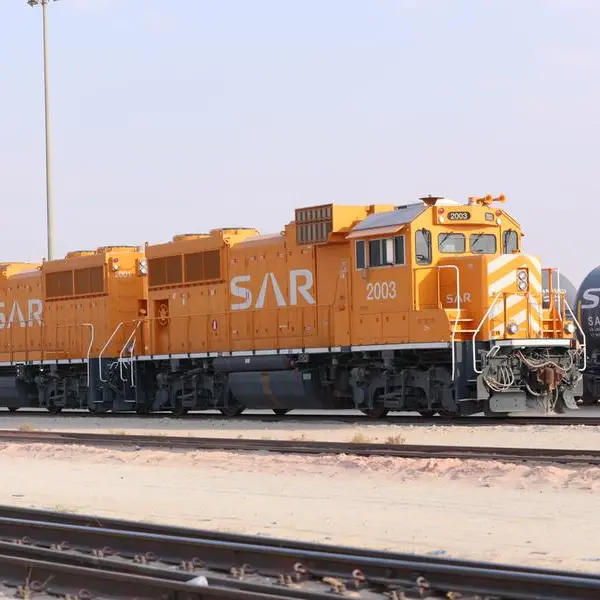
The country plans to pick a winner from six bids for a USD 3 billion rail and port project by July, featuring a 525-kilometer rail link from Tete to Zambezia province and a port able to handle 25 million tons of cargo each year in the initial phase.
Mining giant Rio Tinto, which took a major hit on its balance sheet in January after writing down the value of its Mozambique assets, is widely considered as one of the front-runners to win the bid.
Brazilian mining company Vale is also building a separate railway line at a cost of USD 4.4 billion. The Nacala Corridor project will require the construction of 139-kilometer of rail and the upgrade existing 99-kilometers of railway.
LNG plans gain momentum
In addition, Mozambique's hopes of exporting liquefied natural gas received a major boost when Italian company Eni managed to offload 20% of its Mozambique gas interest to China National Oil Corporation for an impressive USD 4.2 billion.
"Eni expects to complete appraisal on Block 4 in May, has signed development agreements with Anadarko, and expects to make a final investment decision on the project in 2014 for first gas [expected in] 2018," said Peter Hutton, analyst at RBC Capital Markets. "Nonetheless, experience suggests terms tend to come under pressure, even when resource holders express support for rapid development."
The deal raises Mozambique's profile in the global LNG sector as CNPC is on a buying spree to secure China's future LNG needs.
"The deal... continues the string of investment by CNPC/PetroChina in LNG projects with Browse, Poseidon [Australia] and British Columbia [in Canada] and highlights the company's focus in building a global portfolio of LNG, backed by strong Chinese demand for LNG going forward," Hutton said.
Although there is uncertainty regarding the size of the LNG plant, the projection assumes a moderate-size plant consisting of four trains.
"Including the site preparation and other infrastructure, this is assumed to cost USD 24 billion," a Mozambique LNG assessment report noted. "The projection assumes that USD 4 billion will be invested during each year between 2014 and 2019... This would boost the current account deficit beyond 40% of GDP in the initial years."
Meanwhile, Grindrod Ltd, the continent's largest shipping company, and Maputo Port Development said they will invest USD 1.7-billion over five years to raise the capacity of the port from 15 million tons to 50 million tons by 2020.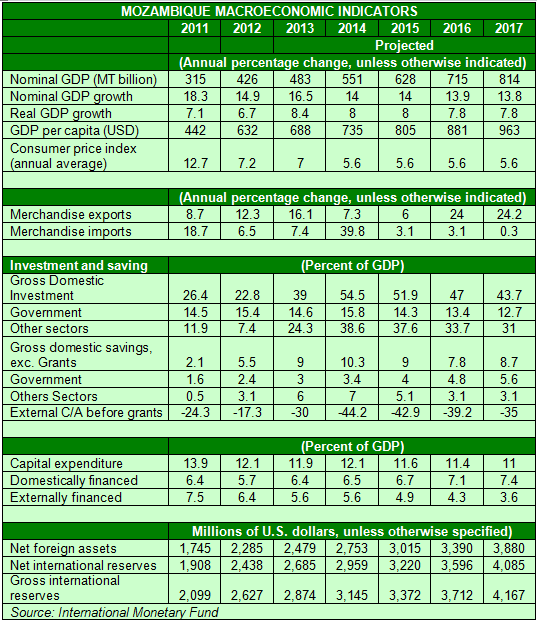
Uncertainty threatens progress
Mozambique's ability to transform itself into an investment magnet for global companies could come undone if political tensions continue to simmer.
There is also some public resentment as the coal-mining boom has not benefited Mozambique citizens and even led to the displacement of some villages.
"Mozambique's main medium-term challenge is the broadening of its fiscal base as aid flows decrease," said the African Development Bank. "Poverty levels seem to be stagnant with 54.7% of the population living below the national poverty line."
The country also suffers from high jobless rates and close to 300,000 Mozambique citizens entering the market every year, which has led to a 27% unemployment rate.
Bringing the youth into the employment fold will be crucial to ensure that the economic prosperity helps build strong social safety nets and benefits for the wider popularity.
It is clearly an area that Mozambique's opposition groups are looking to exploit and derail the economic momentum.
"Mozambique's development and foreign direct investment requires a predictable, stable investment environment," notes Chatham House's Vines. "Attacks on police stations, traffic on roads and threats to target the rail line that carries world-class coal out from the Moatize region of Tete province have got investors asking questions."
alifarabia.com 2013