Qatar's leading research and scientific community come together to share ideas and collaborate on how to realise Qatar's National Research Strategy
Doha, Qatar 17 June 2013: In support of Qatar's National Research Strategy (QNRS), Maersk Oil Research and Technology Centre (MO-RTC) hosted leading members of Qatar's research and scientific community at their inaugural 'Roundtable Series' to discuss the challenges towards developing Qatar as an international R&D hub.
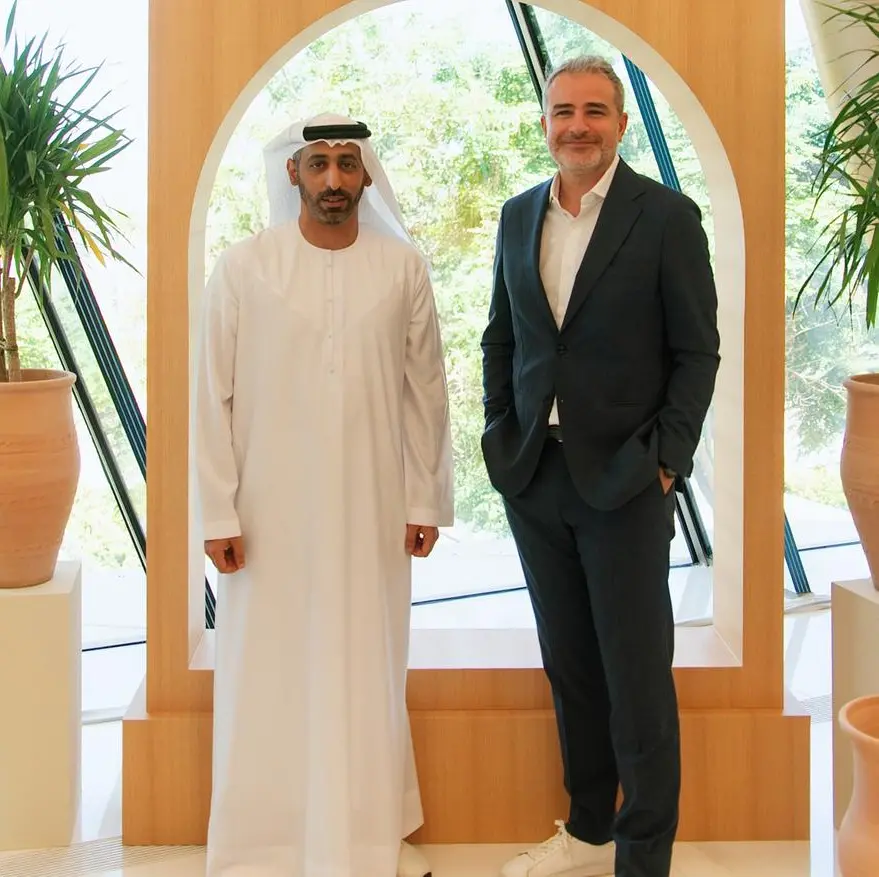
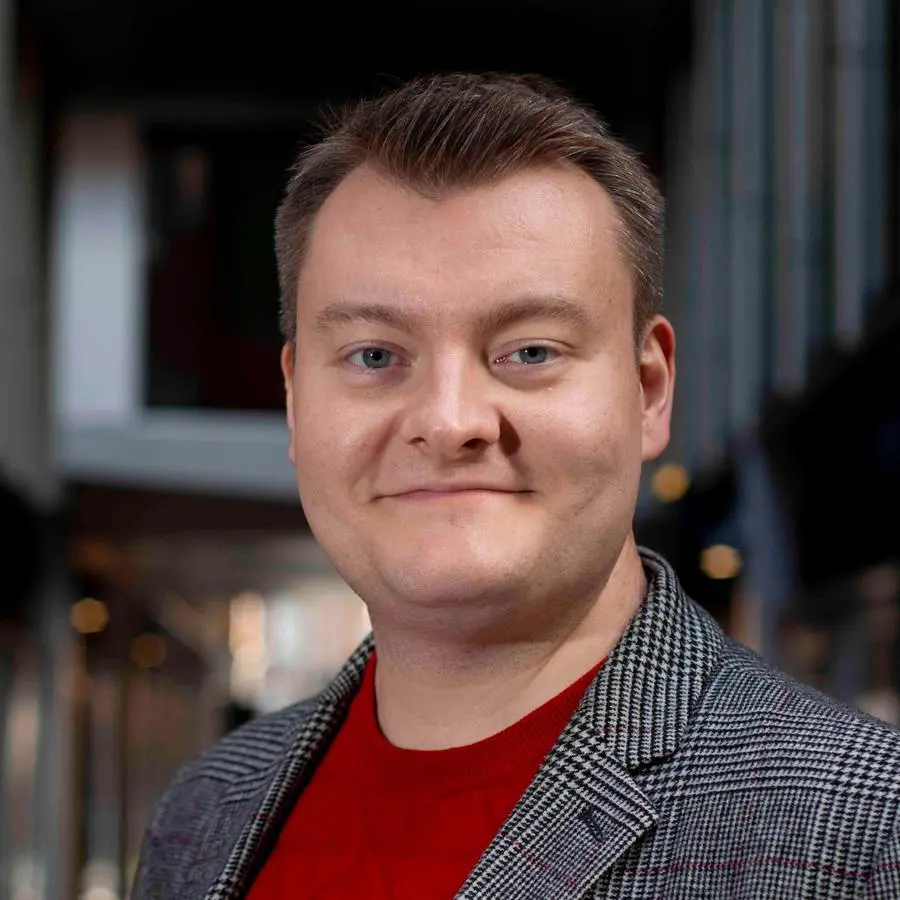
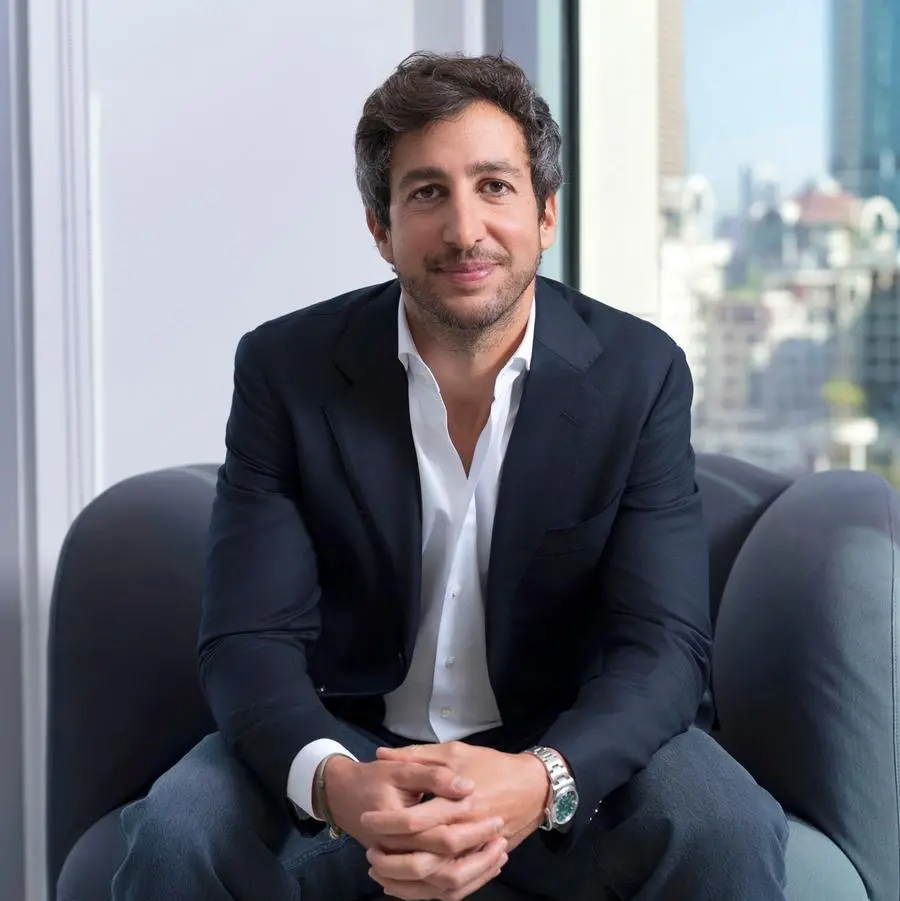
The talks, hosted by Soren Frank, Head of the MO-RTC included special guest and Nobel Laureate, Professor Ole John Nielsen, who shared his ideas on establishing research centres - having successfully done so in Denmark and Germany. The 25-strong group from the energy industry and academia were also honoured to be joined by Dr Thomas Zacharia, Executive Vice President of Research and Development at Qatar Foundation, and Chairman of Qatar Science and Technology Park (QSTP).
"It's our ambition that these sessions will help to foster relationships and future collaborations, which are integral towards building knowledge-based economies," said Frank. "By bringing together researchers in this forum to share ideas and challenges, we believe we can better identify the steps needed to realise the QNRS, which plays an important role in Qatar's National Vision 2030."
Professor Ole began the session by stating several fundamentals for success in developing global R&D hubs, namely "people, infrastructure and collaboration", later referring to these in his closing comments: "I'm impressed by Qatar's high level of ambition, but I believe that with the level of infrastructure, determination and leadership I've already seen at Education City, that Qatar has the potential for hosting some of the world's leading R&D centres and for fostering top innovation."
Discussions from the group identified some common themes; that it is important for the country to continue to attract high-level researchers and for R&D to be focused around the needs of the country, in the areas of energy, water and sustainability. The Roundtable Series was held within Maersk Oil's global research centre (MO-RTC) at Qatar Science and Technology Park. Work at the MO-RTC focuses on applied research and technology to enhance long-term oil recovery, in particular from Qatar's largest offshore oilfield, which Maersk Oil has been developing since 1992 with Qatar Petroleum. The centre, which will invest up to USD 100 million over ten years is also focused on local capacity building with local universities, as well as environmental projects linked to the offshore environment.
"I'm very pleased with the discussions and the outcomes of this first session. We look forward to continuing to host the Series and to tackling relevant topics together which can help further this country's research and development goals," concluded Frank.
About Maersk Oil
Maersk Oil is an international oil and gas company with operated production of about 600,000 barrels of oil equivalent per day from Denmark, the UK, Qatar, Kazakhstan, Brazil and Algeria. Exploration activities are on-going in Angola, Norway, the US Gulf of Mexico, Greenland, Iraqi Kurdistan and in the producing countries. Turning marginal and challenging fields into commercial successes has been the cornerstone of Maersk Oil's business since 1962. Maersk Oil focuses on pioneering technologies and harnessing talent to continue to operate safely and successfully, creating value for partners and host governments. Maersk Oil is a fully-owned subsidiary of the global conglomerate, the A.P. Moller - Maersk Group. For more information about Maersk Oil, please visit the website at www.maerskoil.com.
Maersk Oil Qatar began operations in Qatar in 1992, when an Exploration and Production Sharing Agreement (EPSA) was signed with Qatar to develop the Al Shaheen Field in Block 5, offshore Qatar. Maersk Oil Qatar's last Field Development Plan (FDP 2005) was a USD $6 billion programme which included the drilling of more than 160 production and water injection wells over a six year period. The plan also included the construction and offshore installation of fifteen new platforms with accommodation and production facilities, which is now complete.
As part of the current production sharing agreement between Qatar Petroleum (representing the State of Qatar) and Maersk Oil to develop the Al Shaheen oil field, Qatar, a new field development plan (FDP 2012) was approved in November 2012. The latest field development plan aims at optimising recovery and maintaining a stable production plateau from the Al Shaheen field. Al Shaheen is Qatar's largest offshore oil field and currently produces around 300,000 barrels of oil per day. FDP 2012 includes the drilling of 51 new wells and some facility debottlenecking activities.
For more information please contact:
Erin Murphy
Maersk Oil Qatar
T: +974 4401 3408
M: +974 66408086
Erin.Murphy@maerskoil.com
© Press Release 2013