14 July 2012
Prime Minister Abdelrahim Al-Kib has predicted a bright future for foreign investment in Libya especially in the oil sector whose infrastructure needs to be overhauled.
"The plan is to revamp the whole thing and work on the infrastructure of the oil and gas industry... (an) area for projects for companies that might be interested so that we can increase production levels," he told AFP.
The outgoing premier, whose government did not have the prerogative to sign contracts, said the country's 2012 crude output had surpassed expectations and reached its pre-revolution levels.
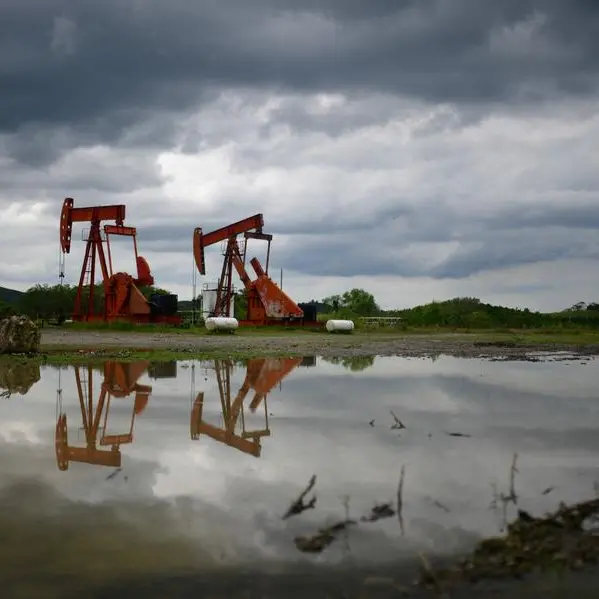
Current production is about 1.6 million barrels per day.
Libya holds the largest proven oil reserves in Africa. It also boasts vast natural gas reserves.
But other opportunities for investment abound: tourism along a 1,700-km Mediterranean coastline, basic infrastructure including roads and housing, airlines, the health and education sectors, and e-governance.
"I guarantee you, any sector you think of, there are plenty of projects to work on," said Kib, a US-educated electrical engineer, urging international companies to make fact-finding visits.
According to AFP, Kib said his country was heading toward a knowledge and market-based economy in which corruption would be replaced by a robust legal system and a competent workforce.
Kib pins hopes on the private sector to generate employment and motor development.
"Libya will surprise the world," said Kib.
He pointed to almost-on-time elections as his cabinet's crowning achievement.
Security, he added, will be no doubt one of the key obstacles facing the next cabinet.
Kib said crime rates in Libya were lower than in many other parts of the world.
Kib said justice and human rights were crucial to Libya's future.
Prime Minister Abdelrahim Al-Kib has predicted a bright future for foreign investment in Libya especially in the oil sector whose infrastructure needs to be overhauled.
"The plan is to revamp the whole thing and work on the infrastructure of the oil and gas industry... (an) area for projects for companies that might be interested so that we can increase production levels," he told AFP.
The outgoing premier, whose government did not have the prerogative to sign contracts, said the country's 2012 crude output had surpassed expectations and reached its pre-revolution levels.
Current production is about 1.6 million barrels per day.
Libya holds the largest proven oil reserves in Africa. It also boasts vast natural gas reserves.
But other opportunities for investment abound: tourism along a 1,700-km Mediterranean coastline, basic infrastructure including roads and housing, airlines, the health and education sectors, and e-governance.
"I guarantee you, any sector you think of, there are plenty of projects to work on," said Kib, a US-educated electrical engineer, urging international companies to make fact-finding visits.
According to AFP, Kib said his country was heading toward a knowledge and market-based economy in which corruption would be replaced by a robust legal system and a competent workforce.
Kib pins hopes on the private sector to generate employment and motor development.
"Libya will surprise the world," said Kib.
He pointed to almost-on-time elections as his cabinet's crowning achievement.
Security, he added, will be no doubt one of the key obstacles facing the next cabinet.
Kib said crime rates in Libya were lower than in many other parts of the world.
Kib said justice and human rights were crucial to Libya's future.
© Arab News 2012