In late January 2013, the Kuwaiti government announced plans to submit a draft law that stipulates imposing value added tax (VAT) for the first time in Kuwait. There's also been a proposal to amend a 1995 law that bans imposing public services charges without a passed law by the Assembly.
This highly controversial issue of introducing taxes was raised several times, and previous national assemblies had rejected attempts to introduce such laws in the past. However, the policymaking landscape in the country has witnessed a lot of changes over the recent years with repeated government resignations and the elections of February 2012.
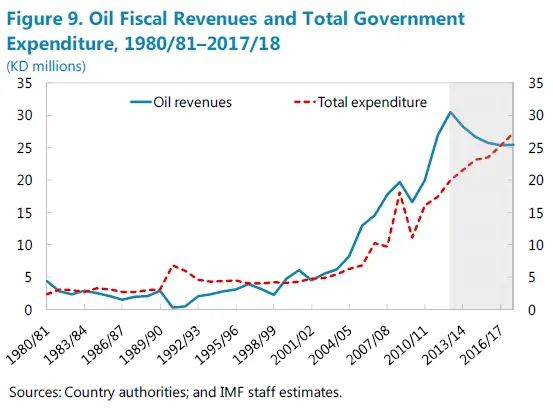
For 13 years in a row, Kuwait has posted fiscal surpluses, indicating strong macroeconomic outcomes and large fiscal buffers.
However, challenges to create economic base diversification to drive the country away from oil dependency are still significant. Introducing VAT and income tax would contribute to building a more balanced economic structure and stronger economic pillars.
Risks
By 2017, Kuwait's oil revenues will be exhausted by government expenditure, according to IMF estimates.