As has often been the case in Iraq, developments in recent weeks have inspired both pessimism and optimism.
On the one hand, an increase in bomb attacks - with 300 fatalities in April - raised fears of a return to the peak in levels of violence seen of 2005-2006. And events in neighboring Syria have served to heighten nerves.
However, on the economic front, there has been a steady flow of positive news. Fortunately, investors seem to be focusing on this, and taking a long-term view, with the stock market holding firm. This is important as Iraqi companies will increasingly turn to capital markets in coming years to build scale and seek to fulfill their potential.
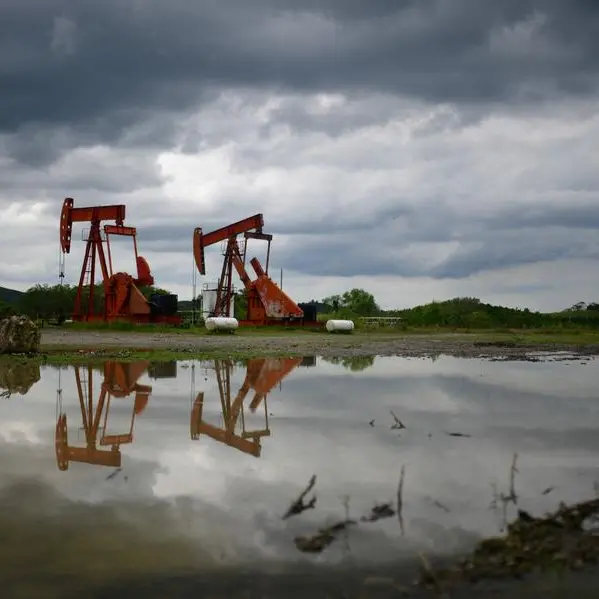
Firstly, global oil majors continue to pour money into the development of key oil fields, which is vital for long-term economic stability. BP allocated USD 2.85 billion to further develop the Rumaila oilfield this year, up from USD 2.2 billion last year. Exxon Mobil is spending USD 1.65 billion on the West Qurna 1, slightly up on the USD 1.6 billion spent last year.
Iraq aims to raise oil production to 6 million barrels per day (bpd) by 2017 from the current 3.1 million, which should fund a huge program of spending on social and physical infrastructure.
On the micro level there are also signs that the grassroots Iraqi economy is starting to hum. For example, Al Mansour Bank, in which Qatar National Bank (QNB) has a majority stake, has just reported loan growth of 12% in the first quarter, compared to a year earlier. However, with deposits expanding more than four-fold from a year earlier, the scope for lending should be much higher.
Consumerism is also clearly on the rise. Baghdad Soft Drinks, a distributor of Pepsi, reported a 28% in first quarter sales, while telecoms operator AsiaCell recorded an 18% rise in sales in 2012, with the number of customers up 12%. Both companies have rewarded investors with large dividend payouts, giving yields of 5.5% and 9.1% respectively.
With oil revenues rising, Iraq's parliament passed the country's biggest ever budget in early March, albeit following months of wrangling, mainly because of disputes over oil revenues between the Kurdistan Regional Government and the central government.
The USD 118.6 billion budget for 2013 is 18% is more than last year's, with 93% of revenue coming from oil exports. Some USD 45.5 billion has been earmarked for investment, with priority given to energy, security and public services.
Unfortunately, Iraq's ministries have not had a great track record on disbursement, especially on "soft infrastructure" such as education, health and utilities - where around half of budgets in the last couple of years were not spent. In a chicken-and-egg scenario, these are the areas that ordinary Iraqis believe will most improve their lives, and help reduce sectarian tension, yet they are the hardest to implement because of political rivalry and the security situation.
If the government can turn this around and begin to roll out investment projects effectively, the positive economic developments may start to drown out the negative news.
Sherif Salem is the portfolio manager of the Invest AD Iraq Opportunity Fund. He has over 13 years of experience covering equity markets in the Middle East and Sub-Saharan Africa.
© Zawya 2013