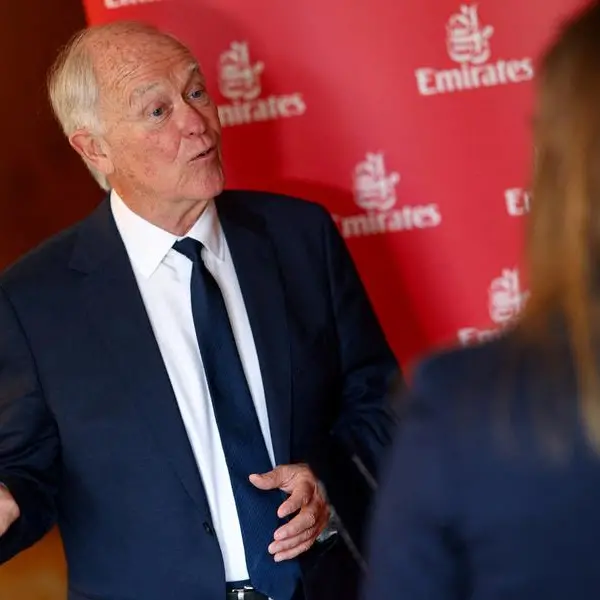
As the chief representative in the Middle East of Moody's Investors Service, Dr. Jehad El Nakla oversees and coordinates rating activities in the region from his office at the Dubai International Financial Center. His role has been in the limelight as several corporate entities in the Middle East have been going through a debt restructuring exercise on the back of global sovereign crises.
Nakla believes that the global problems lend more credibility to Middle Eastern issuers as they seek to diversify their sources of funding.
Nakla has had a long innings in the region. Prior to joining Moody's in 2007, he spent nine years at Arab National Bank in Riyadh, where he ended his tenure as credit controller. He also spent three years at Arab Petroleum Investments Corporation in Saudi Arabia, working in the projects and trade finance department. He has a Ph.D. in numerical analysis from Loughborough University of Technology, England.
Excerpts from an interview:
At the end of the first quarter of 2012, what are the most influential bond trends or developments so far in the region?
With the recent European Bank retrenchment, issuers in the MENA region, and particularly those in the GCC, have been faced with the market opportunity and their management responsibility to diversify sources of funding to a more sustainable and varied source, mainly through increasing their capital markets access efficiency, which currently only represents 35% of their funding needs (for both GCC equity and debt). The remaining 65% is met by the dominant bank funding.
We are increasingly seeing both rated and unrated issuers frequently tapping the debt markets for new funding or refinancing of existing needs, in an effort to address both liquidity and maturity risk ahead of time, creating both stability and competitiveness into their funding structure. DIFC Investments, JAFZ and DP World are amongst those who have either concluded or are currently in this phase of addressing their funding and refinancing needs into 2012.
Do you see a healthy pipeline of deals in 2012?
We witnessed a revival in debt issuance in Q4-2011 that seemed to continue during Q1-2012. Most recent is the USD 1 billion issue by Emirates NBD, which was more than five times oversubscribed. Doha Bank issued USD 500 million, nearly eight times oversubscribed. Both issues were rated by Moody's. Going forward, a good pipeline is anticipated on the back of various announcements largely from GCC banks of their intention to issue debt (bonds or sukuk) during 2012.
What strategic advantages or disadvantages do you see between the Gulf and North African bond markets?
Generally speaking, the GCC bond market looks more attractive to investors considering that most GCC countries are significant exporters of oil and gas, which is a source of comfort and even assurance for investors. In addition, there is the GCC governments' commitment to capital expenditure on infrastructure mega projects, which can be seen by both lenders and investors as indirect government support.
With the Arab Spring and the Eurozone debt crisis climaxing, is the MENA bond market a suitable place to invest in, and why?
Yes. The reasons are the same as those I detailed in the answer to the first question.
© Zawya 2012