Wednesday, Jul 27, 2011
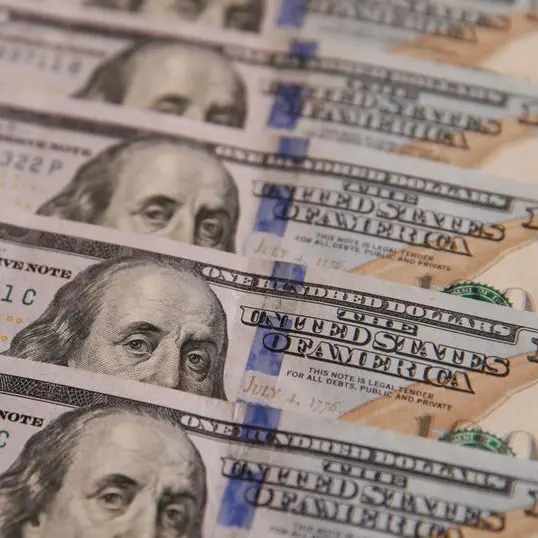
As the United States lurches towards fiscal catastrophe, local economists have warned of dire consequences for the GCC if the world’s largest economy fails to avoid defaulting on its massive debts.
Residents across the Gulf would feel the impact of a US default as it would likely lead to a depreciating dollar, which five out of the six GCC states are pegged to, as well as higher interest rates on mortgages, credit cards and loans.
The previously unthinkable possibility of the world’s richest nation defaulting on its debts is now a very real likelihood and global markets are looking on with increasing unease at the political deadlock.
John Sfakiankis, chief economist at Banque Saudi Fransi, said there are two direct implications of a US debt default for the GCC. “The US dollar would drop in value, which would impact the region because most GCC currencies, including the UAE dirham, are pegged to it,” he said.
Market valuations
“Secondly, the Gulf countries hold US foreign debt and the yield on US Treasuries will continue to depreciate, which would impact the market to market valuations for US Government debt,” he added.
According to Sfakiankis, further questions will also be raised about the dollar and in particular how it will impact on the region in terms of governments and companies holding US assets.
Further questions will be raised about the dollar and how it will affect governments and companies holding US assets, Sfakiankis says
“The Gulf countries will certainly feel the impact of any additional inflationary pressure in the US. However, the US market is resilient and there is still time for a resolution to be found. In terms of credit I do not think the US will necessarily default,” he added.
By Kevin Scott, Staff Reporter
© Gulf News 2011. All rights reserved.
As the United States lurches towards fiscal catastrophe, local economists have warned of dire consequences for the GCC if the world’s largest economy fails to avoid defaulting on its massive debts.
Residents across the Gulf would feel the impact of a US default as it would likely lead to a depreciating dollar, which five out of the six GCC states are pegged to, as well as higher interest rates on mortgages, credit cards and loans.
The previously unthinkable possibility of the world’s richest nation defaulting on its debts is now a very real likelihood and global markets are looking on with increasing unease at the political deadlock.
John Sfakiankis, chief economist at Banque Saudi Fransi, said there are two direct implications of a US debt default for the GCC. “The US dollar would drop in value, which would impact the region because most GCC currencies, including the UAE dirham, are pegged to it,” he said.
Market valuations
“Secondly, the Gulf countries hold US foreign debt and the yield on US Treasuries will continue to depreciate, which would impact the market to market valuations for US Government debt,” he added.
According to Sfakiankis, further questions will also be raised about the dollar and in particular how it will impact on the region in terms of governments and companies holding US assets.
Further questions will be raised about the dollar and how it will affect governments and companies holding US assets, Sfakiankis says
“The Gulf countries will certainly feel the impact of any additional inflationary pressure in the US. However, the US market is resilient and there is still time for a resolution to be found. In terms of credit I do not think the US will necessarily default,” he added.
By Kevin Scott, Staff Reporter
© Gulf News 2011. All rights reserved.