While the world fixates on whether Colonel Gaddafi died as the richest man in the world, with $200-billion ferreted away, ordinary Libyans focus on pulling themselves out of poverty in a country in disarray.
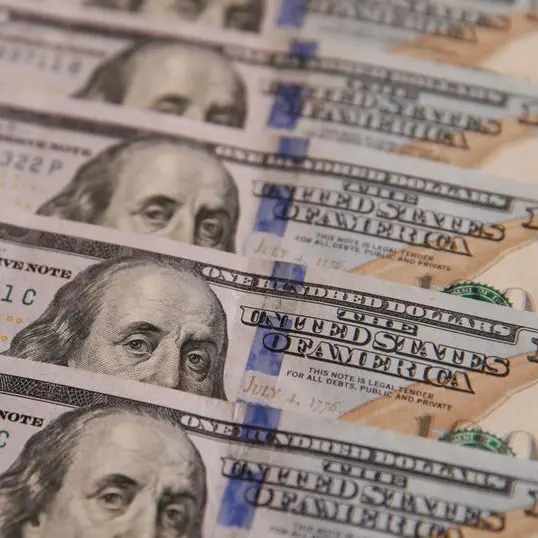
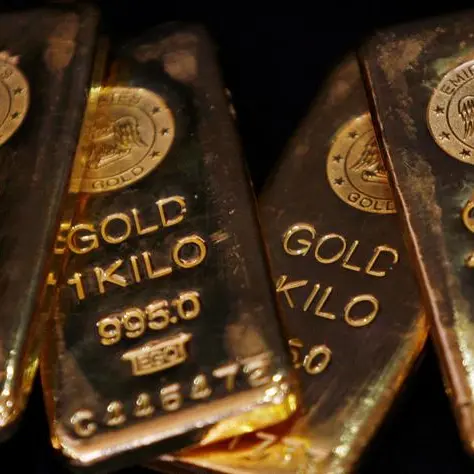
The late Colonel Muammar Gaddafi may have ferreted away close to $200-billion in bank accounts, real estate and corporate investments spread across the world, says The Los Angeles Times quoting unnamed senior Libyan officials.
The newspaper writes: "The new estimates of the deposed dictator's hidden cash, gold reserves and investments are 'staggering,' one person who has studied detailed records of the asset search said Friday. 'No one truly appreciated the scope of it.'"
These astounding figures would make Gaddafi richer than the three wealthiest people in the world - combined - Carlos Slim Helu ($74-billion, according to Forbes), Bill Gates ($56-billion) and Warren Buffett ($50-billion).
Of course, all of this came to nought, as he died a most brutal death by the hands of the poverty-stricken people he ruled over for 40 brutal years.
The $200-billion may be in addition to the $170-billion of Libyan funds frozen by Western governments, after Gaddafi became a persona non grata (again) earlier this year.
All of this is of little interest to Libyans who are keen on getting their country back on track - rather on track for the first time in decades.
The World Bank considers Libya as an 'upper middle income' country, with a GDP per capita of $10,873, proving how often such classifications are meaningless. Close to 40% of the 6.4 million people live in poverty and the news of Gaddafi's billions does little more than aggravate an already-charged political environment in the country.
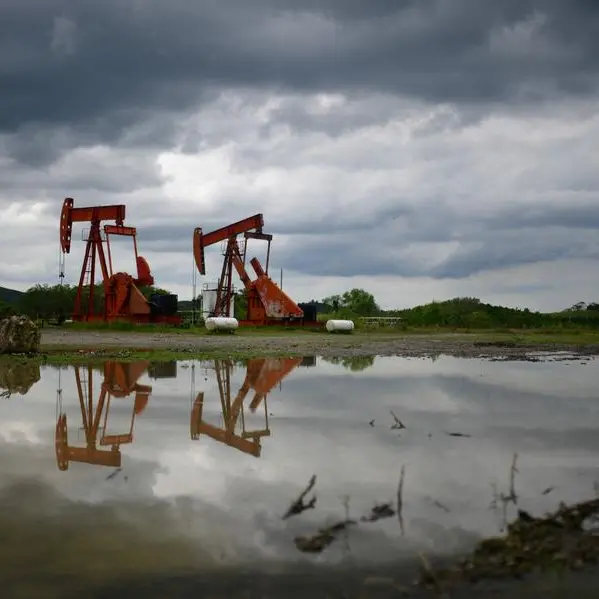
The International Monetary Fund (IMF) most recent report notes the Libyan conflict has had a severe impact on economic activity heavily dependent on hydrocarbons, which account for more than 70 percent of GDP and more than 95 percent of exports. Crude oil production, previously at 1.65 million barrels per day, has nearly stopped declining by about 95 percent in June compared with a year earlier.
"The international sanctions and consequent denial of access to foreign exchange have limited the ability to finance imports of goods and services, resulting in severe disruptions in the non-hydrocarbon sectors of the economy. Real GDP is expected to contract by more than 50 percent in 2011," notes the IMF.
Stratfor, a risk consulting firm, says that while NATO might pat itself on its back and think its mission accomplished in Libya, tribal rivalries are yet to play out in the country.
"The National Transitional Council (NTC), the umbrella organization crafted to contain the insurgents, is in no position to govern Libya by any ideology, let alone through constitutional democracy," says George Friedman, chief of Stratfor.
"Gaddafi and his supporters ruled Libya for 42 years; the only people in the NTC with any experience with government gained that experience as ministers or lesser officials in Gaddafi's government. Some may have switched sides out of principle, but I suspect that most defected to save themselves. While the media has portrayed many of these ex-ministers as opponents of Gaddafi, anyone who served him was complicit in his crimes."
"These individuals are the least likely to bring reform to Libya and the most likely to constitute the core of a new state, as they are the only Libyans who know what it means to govern. Around them is an array of tribes living in varying degrees of tension and hostility with each other and radical Islamists whose number and capabilities are unknown, but whose access to weapons can be assumed. It also is safe to assume that many of those weapons, of various types of lethality, will be on the black market in the region in short order, as they may already be."
ECONOMIC WOES
On top of all the political intrigue, Libyans have a laundry list of economic woes to deal with. First, is reviving oil production and bringing international oil companies back into the country.
But that could hit a major roadblock as the NTC tries to earn legitimacy by tackling emotive issues like corruption.
Risk consultant Maplecroft's Business Integrity and Corruption Risk Index views Libya as an 'extreme risk' country.
"Despite initial claims by the NTC that it will uphold all 'legitimate' contracts signed with the Gaddafi regime, the announcement by Oil and Finance Minister Ali Tarhouni on 11 October that a committee will be established to examine all past oil contracts suggests that there is an increasing risk that contracts could be renegotiated or annulled," says Maplecroft in a report. "The ambiguous nature of the term 'legitimate contract' derives from to the inescapable nature of corruption in Gaddafi's Libya and leaves the door wide-open for Gaddafi-era deals to be investigated."
That should strike terror in the hearts of international oil companies, and the interim Libyan regime will need to temper this quest to crackdown on corruption by making the business environment attractive enough for oil companies to develop its hydrocarbon riches.
"The speed with which Libya will be able to return to pre-crisis production levels of 1.6m barrels per day is not certain and this may stoke civil and political instability," notes Maplecroft.
"According to NOC chairman Nuri Berruien, production levels could return to 1.6m bpd by the end of 2012 or in early 2013. The obstacles in the way of a quick return to the pre-crisis output are significant and complicated by various factors including the absence of a full and reliable account of the damage inflicted on energy infrastructure."
Maplecroft notes other key challenges facing Libya:
* The legacy of the war has meant that supply of electricity to businesses has been damaged - constituting yet another challenge for investors.
* Security will remain a key issue for foreign companies. Despite the declaration of victory by forces opposed to Gaddafi in the cities of Bani Walid and Sirte, the threat of political violence persists.
* Whilst Libya is unlikely to witness significant changes to its regulatory framework in the coming months, key institutions such as the National Oil Company will likely undergo a significant overhaul.
The road to freedom and reformation for Libya is long and arduous.
As Stratfor's George Friedman puts it: "Libya is not a strategic country. It is neither large in population nor geographically pivotal. It does have oil, as everyone likes to point out, and that makes it appealing. But it is not clear that the presence of oil increases the tendency toward stability. When we look back on Iraq, an oil-rich country, oil simply became another contentious issue in a galaxy of contentious issues."
© alifarabia.com 2011