EU-GCC Energy Cooperation Conference 2013
Abu Dhabi-UAE: 19 January, 2013 - Fruitful discussions have taken place during the annual EU-GCC Energy Cooperation Conference that was held from 16 - 17 January, as a side event of the World Future Energy Summit-WFES 2013.
The meeting organized by the EU-GCC Clean Energy Network in co-operation with the SHARAKA EU funded project and Masdar Institute of Science and Technology aims to advance the common interest between the EU and the GCC for strategic energy cooperation. It also seeks to promote EU-GCC cooperation in the field of clean energy, and enhance inter-regional knowledge dissemination and information exchange on energy topics, including research, technology and policy aspects.
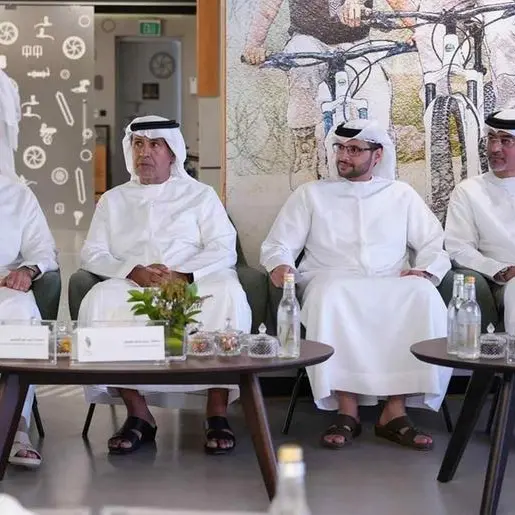
The opening ceremony was honored by the presence of distinguished EU and GCC officials including Connie Hedegaard, European Commissioner for Climate Action, Adam Kulach, EU Ambassador, Delegation of the European Union to Bahrain, Kuwait, Oman, Qatar, Saudi Arabia and the UAE, Philippe de Fontaine Vive, Vice-President of European Investment Bank (EIB), and Hamza Kazim, Vice-President, Operations & Finance, Masdar Institute and Representative of UAE and the GCC in EU-GCC Clean Energy Network.
In her opening speech, Connie Hedegaardhighlighted the importance that the EU places on international clean energy cooperation instruments to mitigate the climate change effects towards a sustainable energy future. The GCC region is a strategic partner for the EU towards this direction.
Philippe de Fontaine Viveaddressed in his speech the financing priorities and mechanisms for supporting clean energy initiatives and invited the GCC and the EU energy stakeholders to develop relevant cooperation projects.
Hamza Kazimsaid that the GCC already possesses the resources and a high degree of renewable energy expertise as can be gathered from the number of the new projects and initiatives being implemented at present. The annual EU-GCC Clean Energy Network conference at the WFES 2013 provided a platform for the region's industry to come together for knowledge sharing and exchange of views. Kazim added that the region's commitment and enthusiasm to adopt renewable sources is overwhelming and the events at WFES will provide a fresh stimulus to implementing additional green measures across the GCC member states.
The presentation by the high-level team of attendees from the GCC and Europe highlighted the achievements in areas of mutual interest for the two regions including renewables, energy efficiency and demand side management, electricity interconnections, carbon capture and storage, as well as natural gas.
Following the opening ceremony, the agenda of the first day included a workshop on GCC - EU renewable energy cooperation that discussed 'Challenges and opportunities in EU-GCC renewables energy cooperation'. Experts elaborated on a recent initiative - the GCC Renewable Energy Readiness Assessment Report being developed with Network partners across the GCC.
Distinguished GCC experts who participated in the sessions included Hamza Kazim- Masdar Institute, Dr. Ibrahim Abdel Gelil Said Abdula - Arabian Gulf University (AGU), Dr. Hussam Khonkar - King Abdulaziz City for Science and Technology (KACST), Dr. Saad Jandal - Kuwait Institute for Scientific Research (KISR), Dr. Sgouris Sgouridis, Associate Professor, Engineering Systems and Management - Masdar Institute, Dr. Abdullah Al Badi - Sultan Qaboos University, Dr. Rabi Mohtar, Qatar Environment and Energy Research Institute (QEERI), Dr. Scott Kennedy, Dean of Research, Masdar Institute, and Dr Rabia Ferroukhi - IRENA.
John Psarras, Director of the EU-GCC Clean Energy Network, underlined the fact that climate change is a key driver for the promotion of both clean energy and international cooperation. The EU-GCC Clean Energy Network can thus be an important asset towards the achievement of these objectives.
Experts from Europe included John Psarras, Institute of Communication and Computer Systems - National Technical University of Athens (ICCS-NTUA), Project Director - EU, Emanuela Menichetti - Observatoire Méditerranéen de l'Energie (OME), Silvia Colombo - Istituto Affari Internazionali (IAI), Juergen Kern - DLR, Koukouzas Nikolaos CERTH/ CPERI, Giacomo Luciani - Gulf Research Centre Foundation, Marcelino Sanchez- CENER, Mohsen Assadi - University of Stavanger, Dr. J. Scowcroft, Global CCS Institute, Frank Ellingsen, Director, Technology Center Mongstad.
Some of the concrete outcomes that were summarized during the sessions include publications, research work/papers, established partnerships between the GCC and EU, co-operation project ideas, targeted working meetings and training workshops.
Events on the second day included round-table discussion sessions and papers presentations on enhancing GCC-EU cooperation in the fields of EU-GCC energy cooperation; technical paper presentation, co-ordinated by the SHARAKA project; Maritime Transport/security; technical paper presentation, co-ordinated by the SHARAKA project; and Discussion Groups (DGs) on Clean Natural Gas Technologies and Carbon Capture and Storage; co-ordinated by the EU-GCC Clean Energy Network as well as a technical site visit at Masdar City.
About the EU-GCC Clean Energy Network
The EU-GCC Clean Energy Network (http://www.eugcc-cleanergy.net/) is an initiative created and supported by the European Commission (EC) and by relevant Gulf Co-Operation Council authorities to:
• Support and enhance the long term strategic EU - GCC energy relationship, addressing specifically clean energy issues.
• Develop concrete cooperation activities of common interest on clean energy (including policy, research and technology aspects) among various stakeholders across the EU and GCC countries.
The Network initiated its first activities in December 2009 under the EC funded service contract "Creation and Operation of the EU-GCC Clean Energy Network". In February 2011, the GCC Energy Secretariat gives the mandate to a GCC Consortium led by Masdar Institute, to establish the GCC side of the Network for ensuring its sustainability. National institutions appointed by the GCC Energy Secretariat for supporting the Network include: Qatar Foundation - Qatar Environment and Energy Research Institute, Sultan Qaboos University - Renewable & Sustainable Energies Research Group (Oman), The Arabian Gulf University (Bahrain), Kuwait Institute for Scientific Research - Renewable Energy Program, King Abdulaziz City for Science and Technology (Saudi Arabia).
The EU Consortium is lead by the Institute of Computers Communications Systems of National Technical University Athens, ICCS - NTUA (Greece). Members of the EU Consortium include: Gulf Research Center - GRC (Switzerland), German Aerospace Centre - DLR (Germany), National Renewable Energy Centre - CENER (Spain), University of Stavanger - UiS (Norway), Electricity Supply Board International - ESBI (Ireland), Centre for European Policy Studies - CEPS (Belgium).
The Network's current objectives are:
• Exchange of experience and know-how;
• Coordination and promotion of joint actions between EU and GCC stakeholders;
• Facilitating joint research;
• Demonstration and development through joint projects of clean energy in GCC;
• Policy support to promote the above.
The Network's Activities target:
• Knowledge Sharing through direct collaboration and the Network's Communication- Collaboration- Dissemination Platform (NCCDP) (http://www.eugcc-cleanergy.net/)
• Training Programs: training to promote accelerated learning on clean energy technology and policy topics of popular interest to EU-GCC members.
• Research Articles: Recent Network initiative includes a Special Issue (call for papers) on the analysis of EU-GCC cooperation on clean energy from the International Journal of Energy Sector Management (Elsevier).
• Technical Visits: Network experts have the opportunity to participate at sites visits in state of the art clean energy and energy efficiency facilities; acquiring knowledge on technical design, process and tools; state of the industry updates.
• Discussion Group Meetings: active exchange of knowledge with input from high level industry officials, academia and non government organizations from the EU and GCC regions.
An essential feature of the Network is the operation of Discussion Groups (DGr) that focus on areas of common EU and GCC interest. At the moment five Discussion Groups of experts have been created to support activities in the following focus areas:
• DGr1: Renewable Energy Sources
• DGr2: Energy Demand Side Management & Energy Efficiency
• DGr3: Clean Natural Gas & related Clean Technologies
• DGr4: Electricity Interconnections & Market Integration
• DGr5: Carbon Capture and Storage
The Discussion Groups are facilitated by qualified EU and GCC experts/conveners, who co-ordinate the thematic working plan and stimulate discussions on the above key topics. A variety of stakeholders/experts from both the EU and the GCC participate in the Discussion Groups, including universities, research institutions, industrial entities, professional organisations and authorities. The Network aims to respond to the common interests of stakeholders active in the field of clean energy.
For a full list of the benefits of Network Membership (expert's individual membership and institutional membership) please refer to the Network's website.
For more information contact:
Name: Ioanna Makarouni
Communications Manager
EU-GCC Clean Energy Network
ICCS -NTUA (GREECE)
Email: imakar@epu.ntua.gr
Phone: +30 210 772 3583
Name: Bader Al Zarei
Communications Manager
Public Affairs Department
Masdar Insitute (UAE)
Email: balzarei@masdar.ac.ae
Phone: +971 02 8109372
© Press Release 2013