With United States no longer the global price-setter of oil, and given the state of its economy and weak outlook for the dollar in the long-term, the hard peg of GCC currencies to the US dollar no longer makes sense, according to the currency chief of HSBC bank.
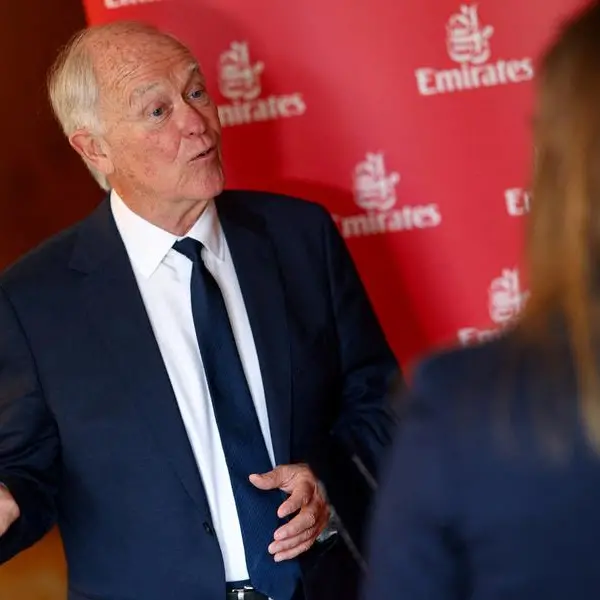
Speaking exclusively to Muscat Daily, David Bloom, HSBC's global head of foreign exchange strategy, said that in the long-term a dollar peg is unsustainable for oil-producing countries in the Gulf. "Undoubtedly, the dollar peg has served this region very well for many years. But the question is, will it serve the region for the next ten years? Our view is no, it would not, maybe it can continue for the next two years but not for a decade.
"When US demand for oil was dominant, there were several reasons that made sense for oil-producing countries to peg their currency to the dollar and they benefited from the US role as the global price-setter. But now oil prices are driven by demand from China, India and other emerging markets, and the US has been displaced by them as the major source of oil demand."
Five out of six GCC countries keep their currencies pegged to US dollar, while Kuwait keeps its currency pegged to a basket of currencies including the US dollar.
Bloom said that earlier, economic cycles in the US and Gulf countries were aligned and US monetary policy was suitable for these countries, but this is no longer the case. "Now the GCC is growing in terms of GDP and in terms of sophistication but the US has many economic problems. Now the GCC is not a tiny emerging market anymore. But because of the peg there are no independent monetary policy tools in GCC to tackle a falling dollar and zero interest rates in the US. GCC nations should adopt their own monetary and fiscal stance over the long-term and should take matters into their own hands."
Bloom, who was in Muscat for HSBC's Annual Middle East Economist Road Show on December 8, said the European debt crisis had distracted everyone from the weakness of the dollar and massive US debt issues.
Most GCC central banks, including Oman's, have repeatedly said that they are comfortable with a dollar peg.
Bloom added that there were concerns in GCC, during 2007-08 with the severe drop in the dollar and high inflation, on the appropriateness of the dollar peg, and the same issue will again rear its head at some point.
"The dollar is going to fall again, not immediately, but from 2013 or 2014. At that time we will come back to the same question which we faced, before the 2008 crisis, in this region."
© Muscat Daily 2011