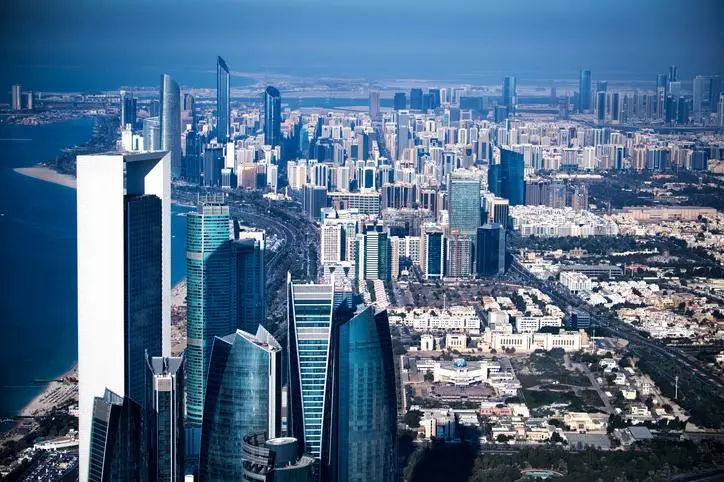
Saudi Arabia is expected to be the fifth most active market for construction spending in the world, on the back of a strong economic stimulus package and high fuel prices.
According to new research by consultancy and research firm IHS, Panama is set to be the global growth leader in 2012, with total construction spending increasing nearly 13% over 2011 levels as canal expansion continues to drive construction activity. Reconstruction from the earthquake damage in Japan and New Zealand will be responsible for strong growth in those countries in the coming year. China's construction growth will moderate slightly but the government's 12th five-year plan, with emphasis on development of interior and western regions, will keep it among the fastest growth markets in 2012.
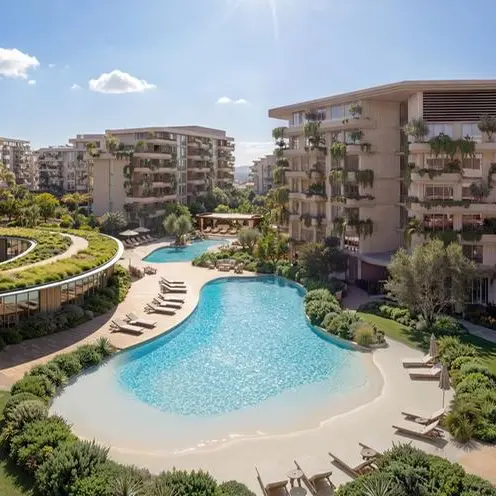
"Rounding out the top five, Saudi Arabia, benefiting from higher oil prices, will increase investments in infrastructure and housing in efforts to fend off the types of discontent that have been spreading through Middle Eastern countries," said IHS in a global insight issued late last week.
Some of the key projects expected to get under way in Saudi Arabia include the $20-billion Kingdom City, which would include the world's tallest tower.
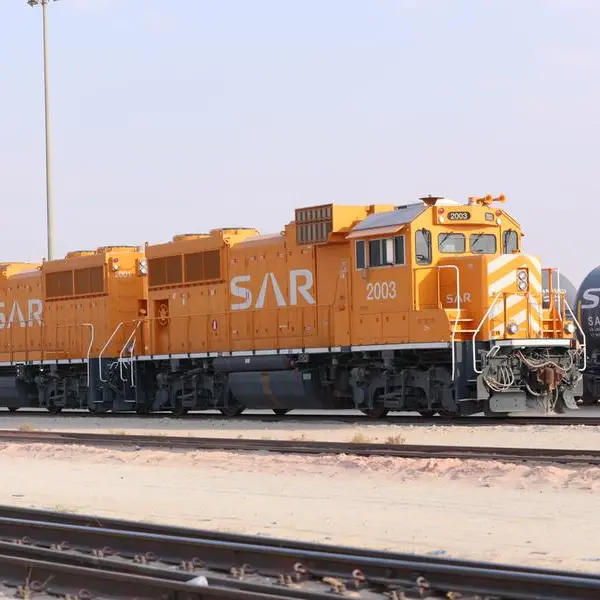
Other projects in various stages of development include the $14-billion Jubail Refinery and Petrochemicals Complex, ongoing development at King Abdullah Economic City, Manifa Oilfield Redevelopment, high speed railways and airport upgrades, according to Zawya Projects Monitor.
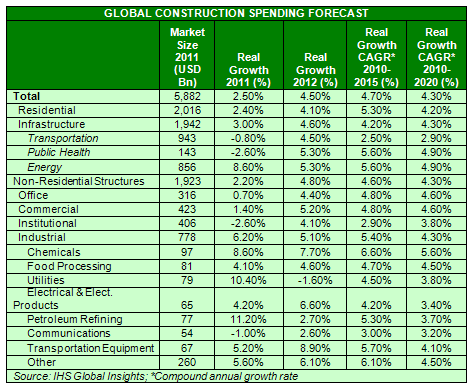
The robust spending in the five markets mentioned above will not be able to stem a global slide in construction. Continued troubles in Europe and the United States has forced IHS to revise downwards its global outlook for the sector by 1.3%. It now expects 2012 global construction spending to rise by 4.9%.
"Concern over sovereign debt is expected to lead to a mild recession in the Eurozone, further dampening spending in that region. In the United States, the inability of the economy to gain traction has led to a downgrade of the outlook there, putting off any significant increase in housing construction until 2013," says IHS. "The significance of these mature regions as export markets for the products of emerging economies will lead to slower growth worldwide."
HEALTHY GROWTH
This year, Middle East region's construction spend has risen by 4.7% year to date, much lower than Asia-Pacific which is expected to rise 6.6%. Other markets such as Eastern Europe (6.4%) and Latin America (5.8%) also fared better than the region that has seen tremendous upheavals across many countries and the toppling of at least three regimes.
Meanwhile, Western European and North American construction markets are continuing to languish, with total spending expected to decline 0.4% and 3.3%, respectively.
Overall, global construction spending is expected to rise 2.5% this year, as the global economy remains distracted by the sovereign debt crisis which has reined in investor confidence.
SPORTING SPIRIT
IHS's five-year outlook through 2015, sees global construction spending increasing at a 4.7% compound annual growth rate (CAGR). Latin America will lead the way with a 7.3% CAGR powered by spending on expansion of the Panama Canal and by Brazil's preparations for the World Cup and Olympic Events.
Sporting events will be key drivers of growth. In Russia, the 2014 Winter Olympics and the 2018 FIFA World Cup will keep the country a beehive for construction activity.
That bodes well for Qatar which is hosting the FIFA World Cup in 2022.
"Qatar can be expected to begin ramping up construction activity to meet commitments to host the 2022 World Cup," says IHS.
"Major events such as these heighten the concern about adequate transportation and spur development of hotel and retail facilities to impress visitors. The facilities, when properly developed, can serve as a springboard to further prosperity long after the fans have gone home."
But the impact of that event will be felt much after IHS's five-year outlook. Over the next five years, Mideast construction will rise 5.3% till 2015, with infrastructure leading the spending spree.
ENERGISING THE INDUSTRY
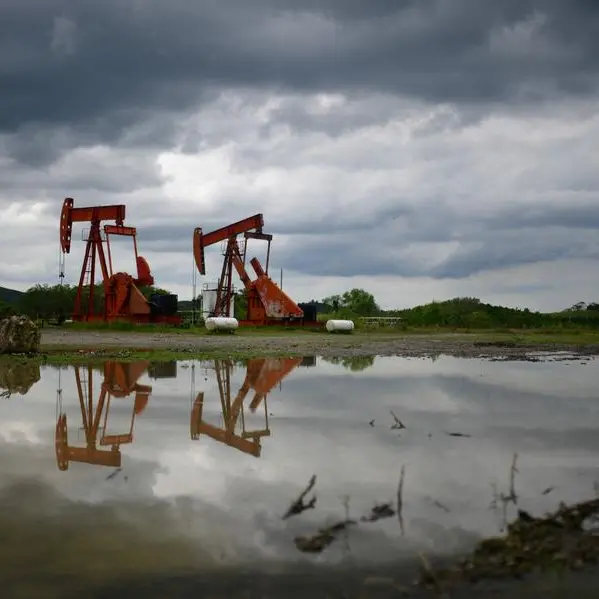
Energy infrastructure spending will see strong increases as world oil prices of more than $100/barrel provide incentives to build pipelines and facilities to move newly discovered energy reserves to market, notes IHS.
© alifarabia.com 2011